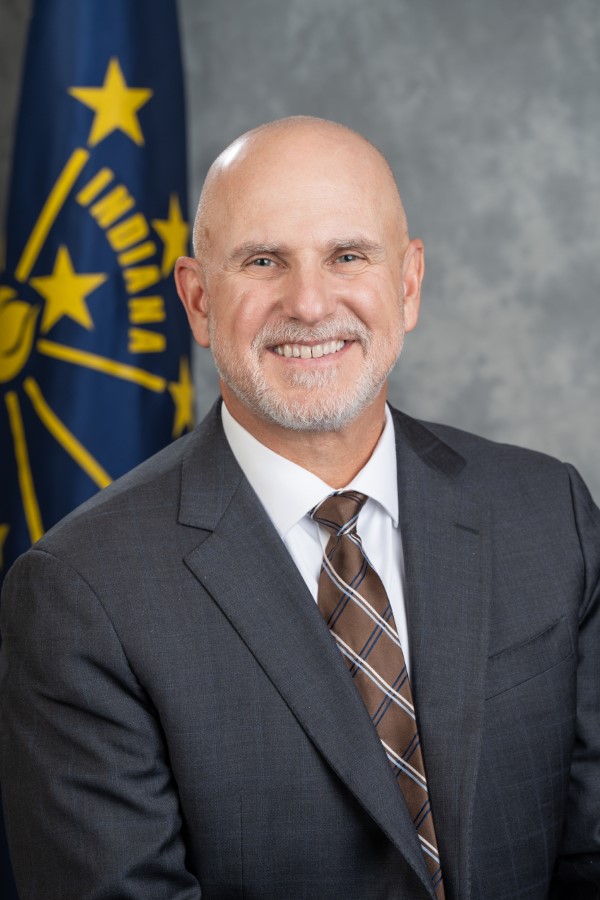
In committee
·
Indiana Senate
·
Lead sponsor
Education matters.
Defines a "qualified school". Requires each qualified school to post educational activities and curricular materials on the school's Internet web site. Provides that public records that are available on a qualified school's Internet web site shall be excepted from public record requests for individuals that have access to the school's Internet web site at the discretion of the qualified school. Requires the school corporation or qualified school to add functionality that allows parents of students in the school corporation to opt in to or opt out of certain educational activities and curricular materials under certain conditions. Provides that the governing body of a school corporation shall create a curricular materials advisory committee (committee) comprised of parents, teachers, administrators, and community members. Requires the committee to submit recommendations regarding curricular materials and educational activities to the governing body of a school corporation. Provides parameters for the composition of the committee, the appointment of committee members, and the appointment of a committee chairperson. Requires the governing body to create educational activities and curricular materials review, discussion, and recommendation procedures for the committee. Provides that the committee shall meet a certain number of times annually. Provides that a state agency, state educational institution, school corporation, or qualified school or an employee of the state agency, state educational institution, school corporation, or qualified school acting in an official capacity may not include or promote certain concepts as part of a course of instruction or in a curriculum or direct or otherwise compel a school employee or student to adhere to certain tenets relating to the individual's sex, race, ethnicity, religion, color, national origin, or political affiliation. Provides that a state agency, school corporation, qualified school, or state educational institution or an employee of the state agency, school corporation, qualified school, or state educational institution acting in an official capacity may not require an employee of the school corporation, qualified school, or state educational institution to engage in training, orientation, or therapy that presents any form of racial or sex stereotyping or blame on the basis of sex, race, ethnicity, religion, color, national origin, or political affiliation. Provides that a student shall not be required to participate in a personal analysis, an evaluation, or a survey that reveals or attempts to affect the student's attitudes, habits, traits, opinions, beliefs, or feelings without parental consent. Provides that, if a school corporation or qualified school uses a third party vendor in providing a personal analysis, evaluation, or survey that reveals, identifies, collects, maintains or attempts to affect a student's attitudes, habits, traits, opinions, beliefs, or feelings, the third party vendor and the school corporation or qualified school may not collect or maintain the responses to or results of the analysis, evaluation, or survey in a manner that would identify the responses or results of an individual student. Provides that before a school corporation or qualified school may provide or administer certain mental, social-emotional, or psychological services to a student, the school must provide the parent of the student or the student, if the student is an adult or an emancipated minor, with a written request for consent to provide or administer certain mental, social-emotional, or psychological services. Makes changes to the definition of "sexually explicit" for the purpose of trade regulation. Removes schools and certain public libraries from the list of entities eligible for a specified defense to criminal prosecutions alleging: (1) the dissemination of material harmful to minors; or (2) a performance harmful to minors. Adds colleges and universities to the entities eligible for a specified defense to criminal prosecutions alleging: (1) the dissemination of material harmful to minors; or (2) a performance harmful to minors.