Maddy summaryHCR 27 is a symbolic resolution designating March 18, 2025, as "Indiana Senior Day" at the Indiana Statehouse. It does not create new laws or affect any specific group with policy changes; it simply recognizes seniors through a formal statehouse observance. The resolution has no funding requirements or regulatory mechanisms, as it is purely commemorative. This procedural bill has moved through initial readings but does not alter existing policies or obligations.
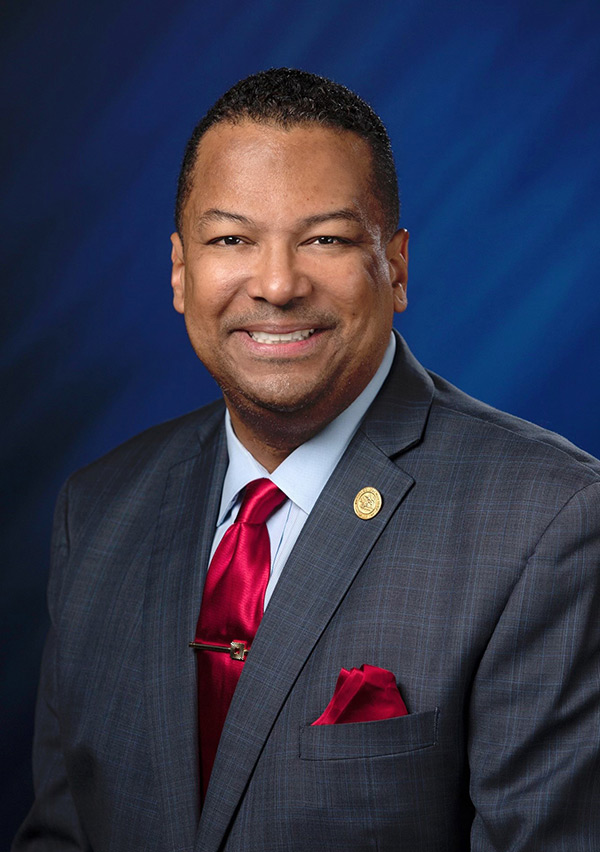
Rep. Earl Harris
Sponsored bills
Maddy summaryThis resolution recognizes the National Association of Women Business Owners (NAWBO) as an organization supporting women entrepreneurs. It serves as a symbolic acknowledgment with no policy changes or direct effects on legislation or regulations. The bill does not impose new requirements or alter existing laws; it simply affirms the group's role through congressional recognition.
Maddy summaryHCR 12 is a ceremonial resolution honoring the late State Senator Earline Rogers. It has no policy provisions or direct impact on constituents, as it is a symbolic gesture of recognition. The resolution was introduced by Representative Smith V, cosponsored by several senators, and has moved through standard procedural steps in the legislature. This type of resolution does not create new laws or alter government functions.
Maddy summaryHCR 26 is a ceremonial resolution designating Tuesday, March 4, 2025, as a day to honor the Indiana Region of the American Red Cross. It does not create new laws or affect any policies, as it is a symbolic recognition without binding effect. The resolution was introduced by Representative Clere and has been referred to committees, but it will not change how the Red Cross operates or impact any residents. This type of resolution is common for acknowledging organizations' community contributions.
Maddy summaryHCR 19 is a concurrent resolution honoring the late State Senator Jean Breaux. It formally recognizes her service and contributions to the state legislature. As a commemorative resolution, it does not create new laws or affect any policies or individuals. The bill was introduced by Representative Pryor and has advanced through initial readings in both chambers. This type of resolution serves only to express legislative respect and remembrance.
Provides that courts are required to appoint counsel for eligible children with certain exceptions. Provides that a county may seek reimbursement up to 100% for expenditures related to attorney services for eligible children. Requires the commission on court appointed attorneys to: (1) establish certain guidelines for counties to be eligible for reimbursement from the public defense fund; and (2) make a report to the legislative council and budget committee not later than December 1, 2026, regarding the 100% reimbursement for attorney services provided to eligible children. Makes an appropriation.
Changes the name of the addiction services fund to the alcohol misuse prevention and treatment fund (fund) and makes corresponding changes. Provides for the transfer of the first 6% of the excise taxes collected on alcoholic beverages to the fund before the allocation and distribution of that alcoholic beverage excise tax revenue to the state general fund and to cities and towns. Provides for the transfer of the first 6% of the excise taxes collected on certain alcoholic beverages to the fund before the transfer of that excise tax revenue to the state construction fund. Specifies that the division of mental health and addiction (division) shall set aside the transfers of alcoholic beverage tax revenue deposited into the fund for use in making grants to local coordinating councils for substance use prevention and treatment and mental health related purposes. Requires the division to adopt guidelines and standards for awarding grants, prescribe the form used to apply for a grant, establish a maximum grant amount, and establish annual reporting requirements.
Maddy summaryHCR 15 is a ceremonial resolution passed by both chambers to honor the late U.S. President Jimmy Carter. It does not create new laws or affect any policies, funding, or specific groups. The resolution formally recognizes Carter's legacy through a symbolic gesture of respect, consistent with standard legislative tributes for notable figures. This is a non-binding, procedural action with no direct impact on constituents or legislation.
Establishes a program administered by the Indiana destination development corporation (IDDC) to provide an incentive for tourism development projects in the form of a sales tax rebate available to businesses that are able to satisfy the requirements needed to enter into an agreement with the IDDC with respect to specified tourism development projects. Sets forth the: (1) types of tourism development projects that may qualify for the incentive; (2) approval process to receive the incentive; and (3) required elements of the agreement between the board of the IDDC and a business approved for the incentive. Specifies the manner in which a business may claim the incentive. Requires the board of the IDDC, in negotiating the approved costs in a tourism development project agreement with an approved company, to collaborate with the executive of a county, city, or town to establish a maximum amount of approved costs. Provides that a person may circulate a petition to create a tourism improvement district (district) within the territory of a county, city, or town. Specifies the contents of the tourism improvement district plan that must be filed with a petition to establish a district. Provides that the legislative body of the county, city, or town may require in the district plan of a tourism development district that the boundaries of the district be drawn to: (1) exclude businesses; or (2) prevent overlap of the district with another area or district in which a special assessment is imposed. Excludes from inclusion within a district: (1) property that receives a homestead standard deduction; (2) property used for single family residential housing; and (3) property used for multi-unit residential housing. Provides that owners of businesses located within a district may be charged a special assessment to fund improvements and other district activities. Provides that, after a hearing on a petition to establish a district, a county, city, or town legislative body may adopt the ordinance establishing the district only if it determines that the petition has been signed by: (1) at least 50% of the owners of businesses within the proposed district; or (2) the owners of businesses within the proposed district that constitute more than 50% of the revenue to be collected from the assessments. Specifies the contents of the ordinance establishing a district and the length of time for which a district may exist. Allows a district to issue bonds. Requires the county, city, or town legislative body to contract with a nonprofit district management association to administer and implement the district's activities and improvements.

Maddy summaryHR 11 is a commemorative resolution celebrating the 90th anniversary of the Professional Fire Fighters Union of Indiana. It does not create new laws or affect any policies, rights, or regulations. The resolution simply recognizes the union's history and contributions through a formal statement by the Indiana House of Representatives. It was introduced and coauthored by multiple representatives on January 30, 2025, and passed its first reading.