

Provides that a person that owns or is the lessee of a parcel of land at an intersection of two county, municipal, or township roads that is not controlled by a traffic signal shall maintain a line of sight area at the intersection. Provides that the land contained within the line of sight area must not contain any: (1) grass, weeds, agricultural crops, bushes, shrubs, vines, plants, or any other vegetation; or (2) structures, signs, fences, walls, or obstructions that are owned or controlled by the property owner or a lessee of the property owner; that exceed a height of three feet. Requires a unit to provide written notice to the owner of record of the parcel of land if the unit determines there are obstructions in the line of sight area. Allows a unit to take corrective action to remove obstructions in the line of sight area.
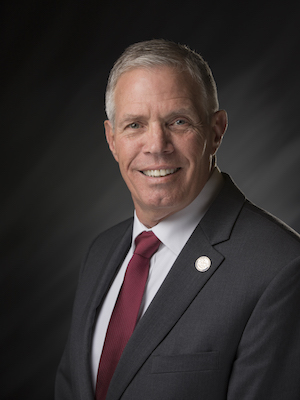
Rep. David Abbott
Sponsored bills
Maddy summaryHR 46 is a ceremonial resolution designating Sunday, August 10, 2025, as "Indiana Prayer Walk Your Campus Day." It does not create new laws or affect any policies; it simply recognizes a planned campus prayer event. The bill was introduced by Representative Smith H and co-sponsored by multiple representatives. This is a symbolic gesture with no concrete policy impact or direct effect on constituents.
A CONCURRENT RESOLUTION urging the United States Congress and the President of the United States to repeal the Environmental Protection Agency's (EPA's) ban on vented gas cans.
Maddy summaryHR 40 is a symbolic resolution that reaffirms Indiana's existing sister-state relationship with Taiwan. It does not create new laws, funding, or obligations, but formally expresses the Indiana General Assembly's continued commitment to this partnership. The bill was introduced and coauthored by multiple state representatives and passed its first reading on April 3, 2025. This type of resolution typically supports cultural or economic ties without altering policy or providing resources.
Maddy summarySB 211 permits the use of funds from the Clean Water Indiana Fund to manage invasive plant species in waterways. The bill directs the state to allocate existing program funds specifically for controlling invasive vegetation, such as water hyacinth or zebra mussels, that threaten water quality and ecosystems. This policy change directly affects the administration of the Clean Water Indiana Program by expanding its eligible uses for fund disbursement. The bill was enacted into law on April 1, 2025, after receiving final approval from the Governor.
Provides that the state does not assume ownership of or responsibility for a low head dam that is not listed as owned by the state on the department of natural resources' (department) low head dam roster (roster). Permits a person to remove without a permit certain low head dams that are located on a navigable waterway and that are encroachments. Requires the department to establish warning sign standards and requirements for low head dams that are on the roster. Allows for a bond of $1,000,000 to serve as proof of financial responsibility for a person that owns a low head dam. Provides that a permit issued by the director after January 1, 2021, for the removal of a low head dam does not expire until two years after certain judicial appeal processes are complete.
Exempts certain veteran focused nonprofit cemeteries from certain deposit and trustee requirements with respect to a perpetual care fund. Provides that certain nonprofit cemeteries must deposit into the perpetual care fund $30 for every niche in the cemetery.
Maddy summaryHCR 28 is a symbolic resolution designating March 21, 2025, as World Down Syndrome Day for recognition by the state legislature. It has no binding effect or policy changes - it serves solely as a formal acknowledgment of the international observance. The resolution was passed with broad bipartisan co-authorship in the House. This type of concurrent resolution does not affect laws, regulations, or individuals.
Maddy summaryHCR 27 is a symbolic resolution designating March 18, 2025, as "Indiana Senior Day" at the Indiana Statehouse. It does not create new laws or affect any specific group with policy changes; it simply recognizes seniors through a formal statehouse observance. The resolution has no funding requirements or regulatory mechanisms, as it is purely commemorative. This procedural bill has moved through initial readings but does not alter existing policies or obligations.
Maddy summaryThis resolution recognizes the National Association of Women Business Owners (NAWBO) as an organization supporting women entrepreneurs. It serves as a symbolic acknowledgment with no policy changes or direct effects on legislation or regulations. The bill does not impose new requirements or alter existing laws; it simply affirms the group's role through congressional recognition.