Issue · Education

Education

Every education bill, vote, and legislator stance in Indiana, automatically classified by Maddy, our AI policy reader.

Total bills
20
119th Congress
Top supporter
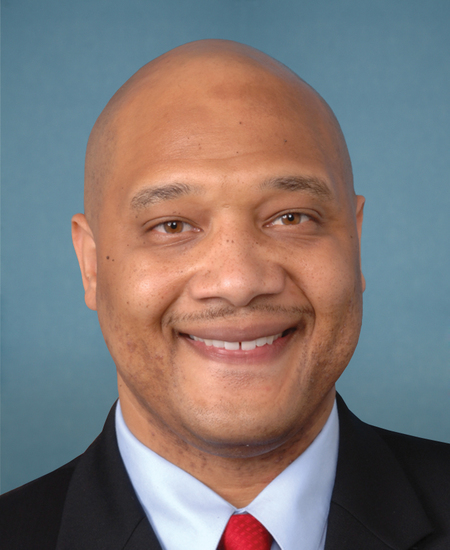
André Carson
78% support rate
Top opponent
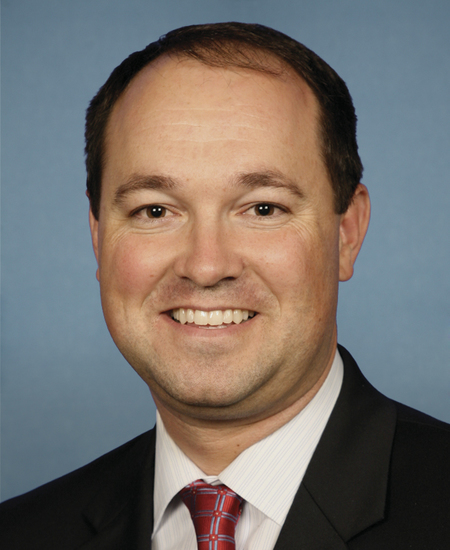
Marlin A. Stutzman
22% support rate
Ranked legislators
9
4 support · 5 oppose
Key legislators

Who's moving education in Indiana

Legislators moving education in Indiana
Legislator Party Stance Support rate Votes
André Carson
André Carson House · District 7
D
Support
78% 130
Jim Banks
Jim Banks Senate
R
Mixed
57% 166
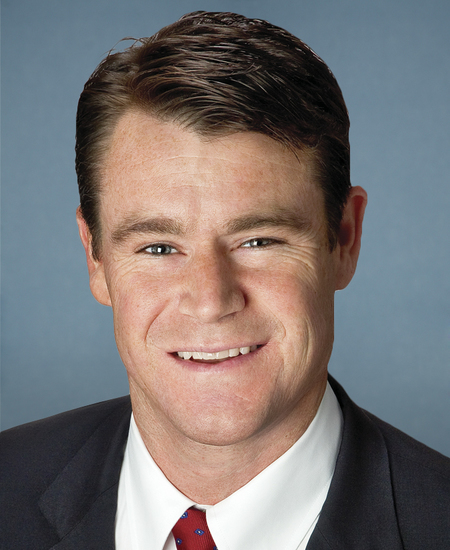
Todd Young
Todd Young Senate
R
Mixed
57% 168
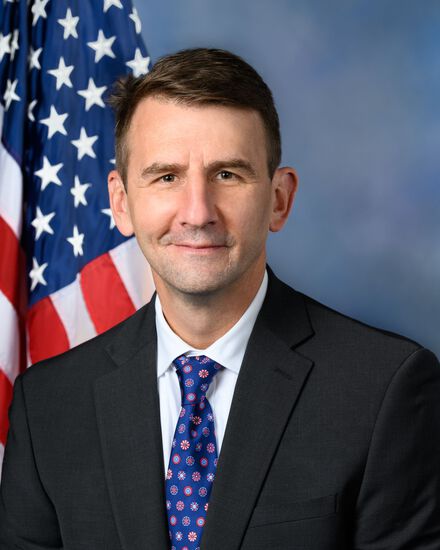
Frank J. Mrvan
Frank J. Mrvan House · District 1
D
Mixed
56% 128
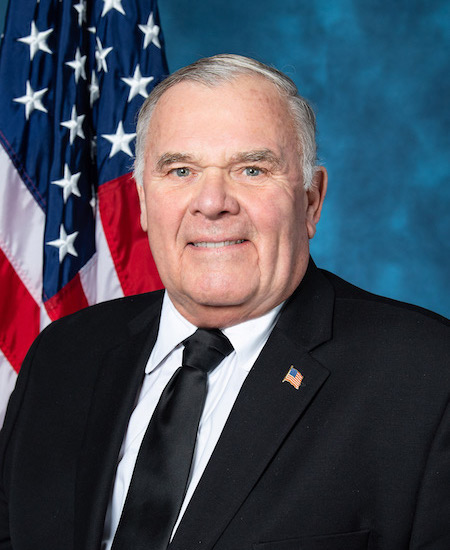
Marlin A. Stutzman
Marlin A. Stutzman House · District 3
R
Oppose
22% 130
James R. Baird
James R. Baird House · District 4
R
Oppose
25% 124
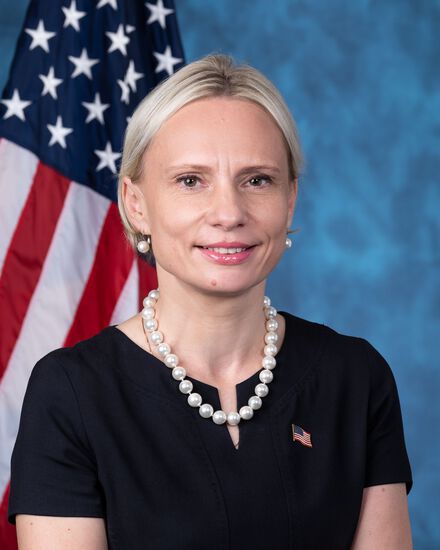
Victoria Spartz
Victoria Spartz House · District 5
R
Oppose
25% 125
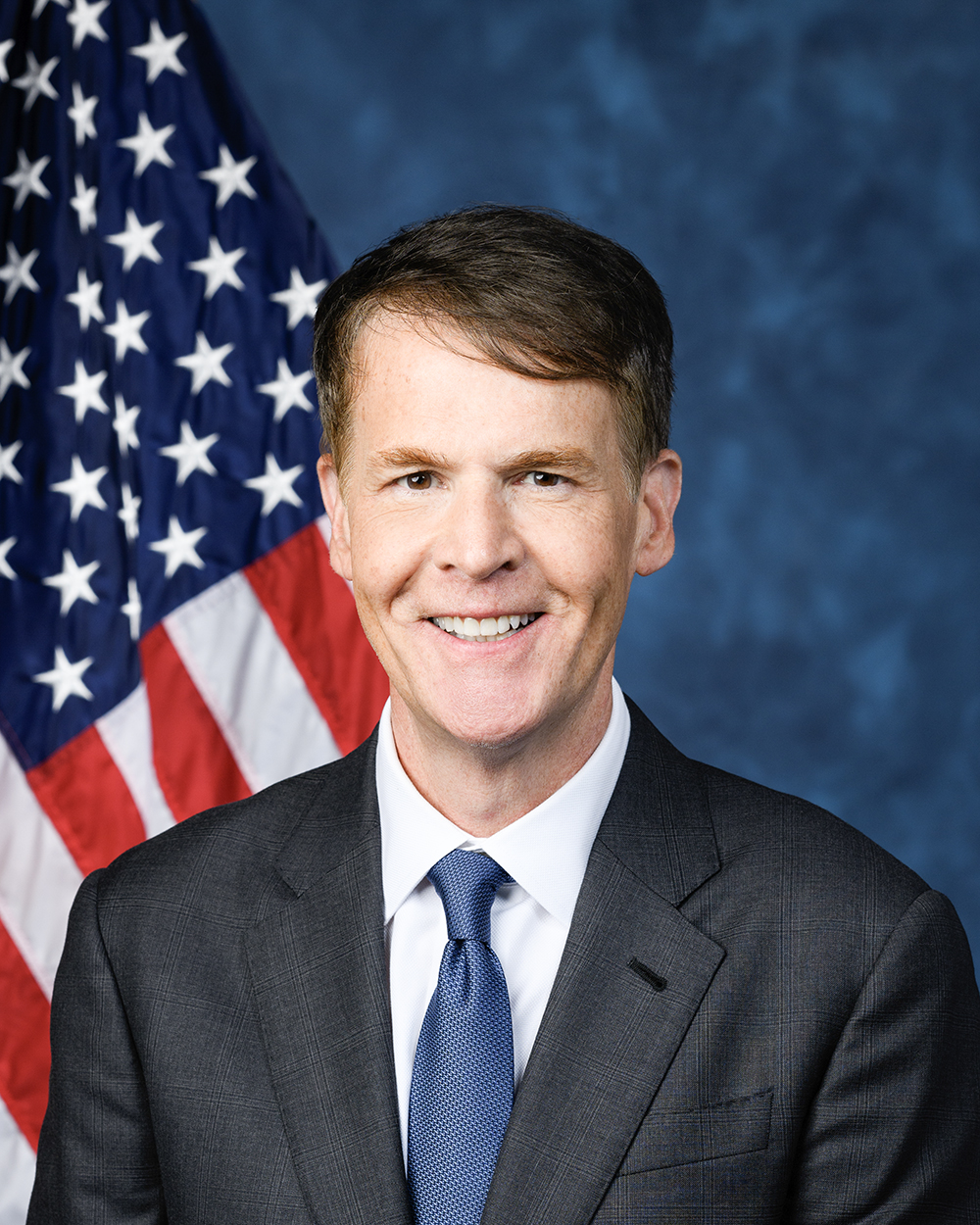
Jefferson Shreve
Jefferson Shreve House · District 6
R
Oppose
33% 128
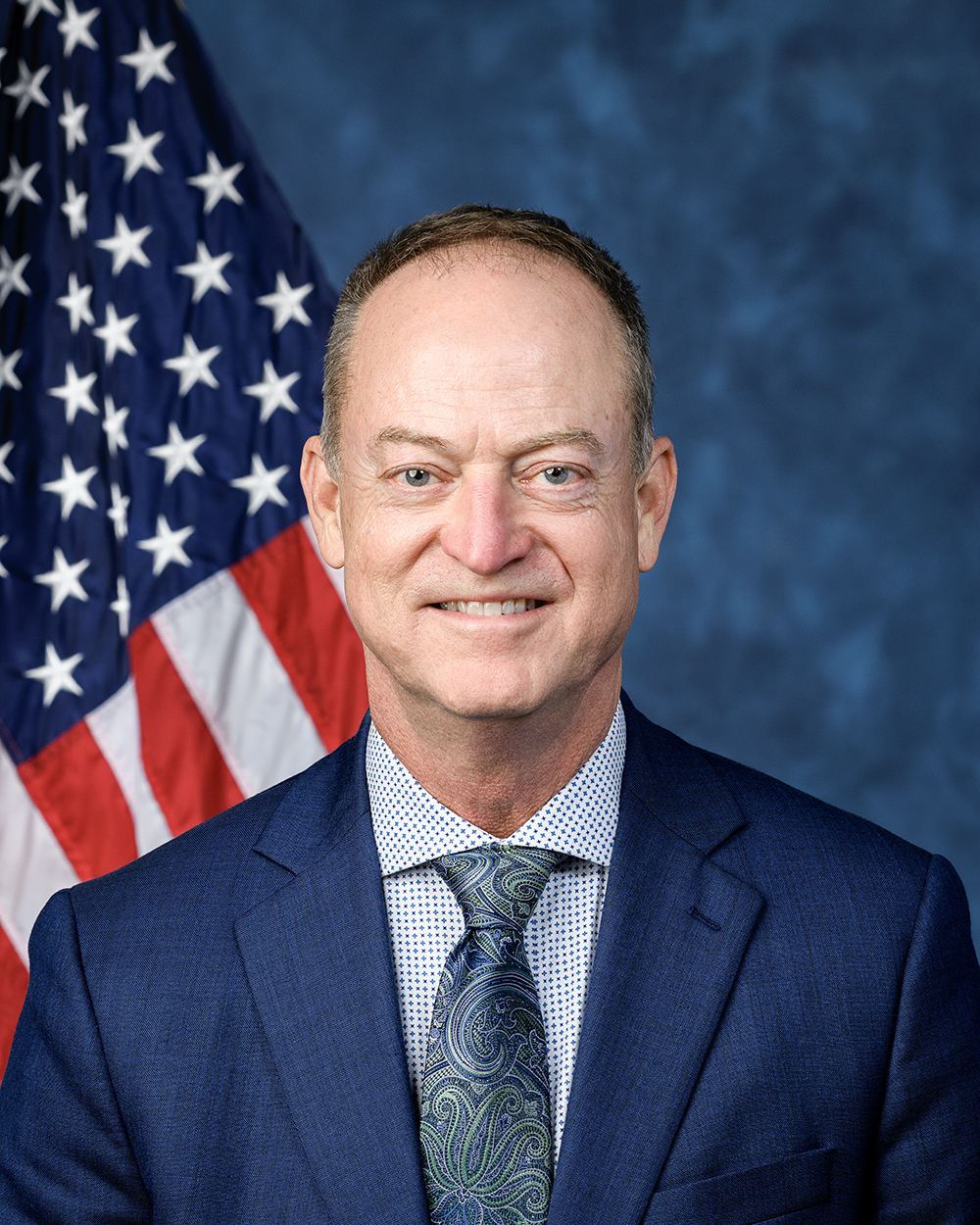
Mark B. Messmer
Mark B. Messmer House · District 8
R
Oppose
33% 131
Showing 1–10 of 20 bills

All education bills

in committee · United States · Senate Jun 24, 2026

S 4925: Stop the Sexualization of Children Act

The Stop the Sexualization of Children Act prohibits the use of federal education funds to create or promote programs containing sexually oriented material for children under 18. This ban specifically targets content depicting sexually explicit conduct or involving gender dysphoria and transgenderism, while explicitly exempting standard science courses, major world religions, and specific lists of classic literature and art. By amending the Elementary and Secondary Education Act, the bill restricts how schools can utilize federal money for extracurricular activities or educational materials that fall under these prohibited categories.
in committee · United States · House Jun 11, 2026

HR 9289: Keep Public Funds in Public Schools Act of 2026

The Keep Public Funds in Public Schools Act of 2026 eliminates a federal tax credit that allowed parents to deduct contributions to scholarship granting organizations from their income. By removing these specific tax breaks, the bill prevents the use of public tax dollars to support private school vouchers and scholarship programs. This change directly affects families who currently rely on these tax incentives to fund education outside the public school system. The provisions take effect for taxable years beginning after December 31, 2026.
in committee · United States · Senate May 21, 2026

S 4629: Government Bailout Prevention Act

The Government Bailout Prevention Act prohibits the use of federal funds, Treasury resources, or Federal Reserve assistance to support state, local, or school district governments facing financial distress starting January 1, 2026. Specifically, the bill bars the government from purchasing or guaranteeing debt for entities that have filed for bankruptcy, defaulted on obligations, or are at risk of defaulting without such help. This restriction also covers debt restructuring activities but includes an exception for financial aid provided in response to declared disasters.
in committee · United States · House May 21, 2026

HJRES 189: Providing for congressional disapproval under chapter 8 of title 5, United States Code, of the rule submitted by the Department of Education relating to "Reimagining and Improving Student Education-Federal Student Loan Program Final Regulations".

This joint resolution seeks to officially reject a final rule issued by the Department of Education regarding federal student loan programs. If passed, the measure would prevent the new regulations from taking effect, leaving the previous rules in place. The bill directly impacts borrowers, lenders, and the Department of Education by nullifying the specific changes outlined in the "Reimagining and Improving Student Education" proposal. It is a procedural action that uses the Congressional Review Act to disapprove the agency's policy without altering the underlying law.
in committee · United States · Senate May 14, 2025

S 1754: Preventing PLA Acquisition of United States Technology Act of 2025

S 1754 prohibits U.S. research institutions, federal agencies, and U.S. companies receiving federal funds from collaborating with specific Chinese entities linked to China's military-civil fusion strategy. It restricts partnerships in key technology areas like semiconductors, AI, quantum computing, and biotechnology, as listed on a government website. Covered entities must annually report all Chinese research ties, and violations risk losing future federal funding. The bill targets entities including PLA-connected universities, military-linked companies, and those with Chinese government ownership.
in committee · United States · Senate May 13, 2025

S 1745: Dismantling Ideological Policies for Semiconductors and Science Act

This bill would repeal numerous diversity, equity, and inclusion (DEI) requirements in federal STEM programs established under the CHIPS and Science Act. It targets provisions requiring outreach to underrepresented communities, diversity considerations in research programs, data collection on faculty demographics, and DEI-focused funding programs. The bill also repeals the NSF Chief Diversity Officer position and modifies programs to focus on STEM achievements for historically Black colleges and universities (HBCUs) and Tribal Colleges or Universities (TCUs) without race-based activities. The bill would affect federal agencies like the National Science Foundation, Department of Energy, and National Institute of Standards and Technology that administer STEM programs.
Sub-Topics Early Childhood
in committee · United States · House Jan 23, 2025

HR 650: Families’ Rights and Responsibilities Act

HR 650, the Families’ Rights and Responsibilities Act, protects parents’ fundamental right to direct their child’s education, moral or religious upbringing, and health care decisions. It prohibits government (including agencies and officials) from substantially interfering with these parental choices without proving a "compelling governmental interest" using strict scrutiny. The bill applies to all federal laws and programs, allowing parents to challenge government actions in court and seek remedies if their rights are violated. It specifically exempts cases involving serious child safety risks but aims to prevent government overreach in parenting decisions based on disagreement with parental choices. This bill directly affects parents of children under 18 and sets a legal standard for how government can interact with family decisions.
Tags Families
in committee · United States · Senate Jan 23, 2025

S 204: Families’ Rights and Responsibilities Act

This bill declares parental authority over a child's education, upbringing, and health care as a fundamental constitutional right. It requires government agencies at all levels to demonstrate a compelling interest and use the least restrictive means before interfering with these parental decisions - defining a "substantial burden" as actions like withholding benefits or imposing penalties that constrain parental choices. Exceptions apply only when parental decisions risk serious physical harm or end a child's life. The law applies to all federal and state government actions affecting these rights, adding parental claims to existing legal frameworks like the Religious Freedom Restoration Act.
Tags Families
in committee · United States · House Nov 12, 2025

HR 6035: Second Amendment Restoration Act of 2025

HR 6035, the Second Amendment Restoration Act of 2025, would repeal specific firearm-related provisions from the Bipartisan Safer Communities Act (2022), including rules on background checks and gun sales, and restore federal gun laws as they existed before that law was enacted. It also reverses an education-related provision affecting school safety grants under the Elementary and Secondary Education Act. The bill directly affects federal regulations governing gun ownership and school safety funding by reverting to pre-2022 legal standards. It does not create new gun laws but undoes specific changes made by the 2022 law.
Sub-Topics Firearms School Safety
in committee · United States · House Feb 13, 2025

HR 1282: Eliminate DEI in Colleges Act

HR 1282 prohibits federal funding for colleges that operate diversity, equity, and inclusion (DEI) programs or offices. It requires institutions to certify they do not run any initiative primarily focused on classifying students by race, gender, or other protected characteristics, or providing preferential treatment based on those factors. Schools receiving federal funds (including student loans) must provide this certification, and the government can verify it or appeal funding termination through a formal process. This bill directly affects nearly all colleges and universities that accept federal financial aid, fundamentally changing eligibility for those programs.
Showing 1 to 10 of 20 bills
1 2 Next