Issue · Budget & Taxes

Budget & Taxes

Every budget & taxes bill, vote, and legislator stance in Indiana, automatically classified by Maddy, our AI policy reader.

Total bills
49
119th Congress
Top supporter
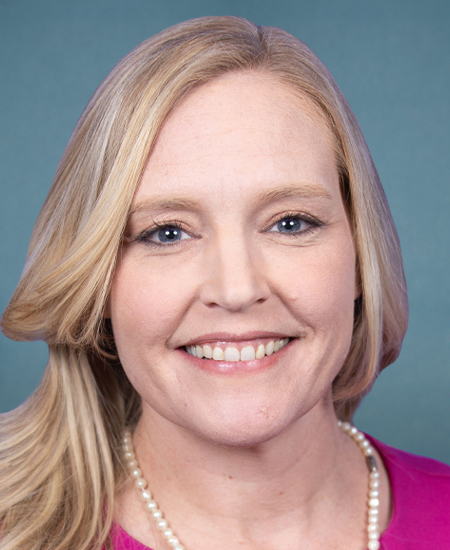
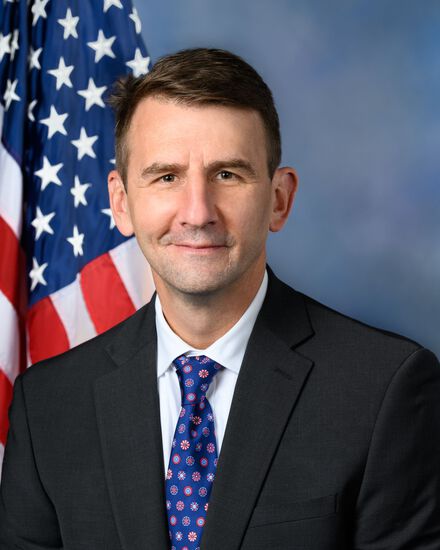
Erin Houchin
75% support rate
Top opponent
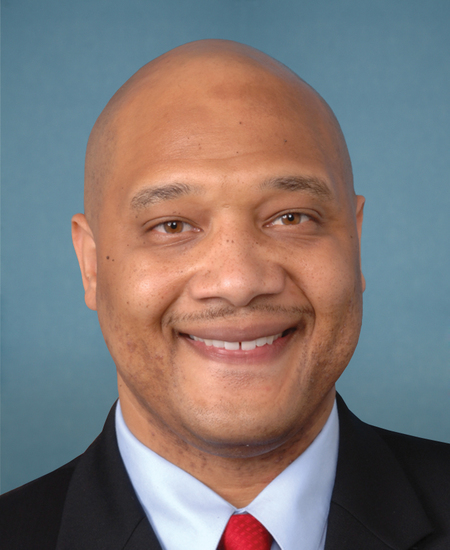
André Carson
19% support rate
Ranked legislators
9
5 support · 4 oppose
Key legislators

Who's moving budget & taxes in Indiana

Legislators moving budget & taxes in Indiana
Legislator Party Stance Support rate Votes
Erin Houchin
Erin Houchin House · District 9
R
Support
75% 185
Victoria Spartz
Victoria Spartz House · District 5
R
Support
73% 179
Marlin A. Stutzman
Marlin A. Stutzman House · District 3
R
Support
70% 183
James R. Baird
James R. Baird House · District 4
R
Support
67% 174
Jefferson Shreve
Jefferson Shreve House · District 6
R
Support
64% 184
André Carson
André Carson House · District 7
D
Strong −
19% 184
Frank J. Mrvan
Frank J. Mrvan House · District 1
D
Oppose
21% 184
Jim Banks
Jim Banks Senate
R
Oppose
33% 271
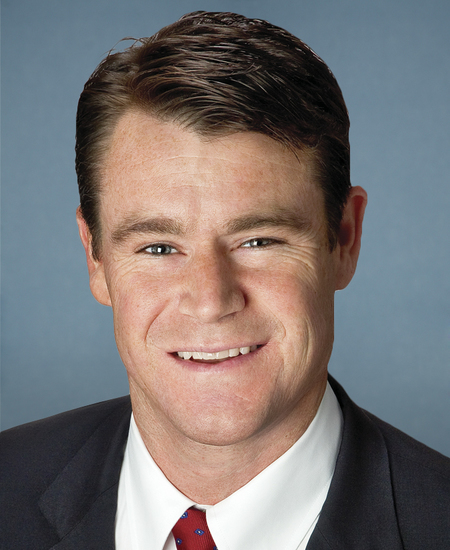
Todd Young
Todd Young Senate
R
Oppose
34% 274
Showing 1–10 of 49 bills

All budget & taxes bills

in committee · United States · House Sep 10, 2026

HR 10330: Higher Education Oversight for Nonprofits Ensuring Standards and Transparency Act

This bill establishes new procedural safeguards for the Internal Revenue Service when conducting tax inquiries or examinations of universities, requiring high-level Treasury approval based on reasonable belief that a university may not qualify for tax-exempt status. It mandates that the IRS provide written notice to the institution before beginning an inquiry and at least 15 days before starting a formal examination, offering the university the opportunity to hold a conference to discuss concerns. The legislation imposes strict time limits, requiring inquiries to be completed within 90 days and examinations within two years, while also restricting the ability to re-examine a university for five years if no significant tax issues are found. Additionally, it requires the Secretary of the Treasury to submit confidential reports to congressional committees detailing any new university tax investigations.
in committee · United States · Senate Aug 6, 2026

S 5346: EGG SAVE Act of 2026

The EGG SAVE Act of 2026 creates a new tax credit for commercial egg hatcheries that purchase and install equipment capable of identifying the sex of avian embryos before they hatch. To qualify for the credit, the technology must achieve at least 95 percent accuracy in sex determination and be used at a facility located in the United States. The credit amount is set at 50 percent of qualified expenditures for equipment placed in service in 2027, decreasing to 40 percent in 2028 and 30 percent in 2029. This incentive program terminates for any property placed in service after December 31, 2029.
Sub-Topics Tax Credits
in committee · United States · House Jun 11, 2026

HR 9258: Concrete Pump Tax Fairness Act

The Concrete Pump Tax Fairness Act introduces a new mileage-based fee for owners of mobile concrete boom pump vehicles that travel within the United States. This tax charges $0.05 per mile for vehicles weighing 60,000 pounds or less and $0.07 per mile for heavier vehicles, with payments due quarterly. The bill requires the government to create a system that uses existing vehicle technology to track mileage while protecting operator privacy and minimizing administrative burdens. Additionally, the law allows these vehicles to use existing fuel tax credits to offset the new fee and excludes them from certain existing highway use requirements. All collected fees will be deposited into the Highway Trust Fund to support road infrastructure.
in committee · United States · House Jun 11, 2026

HR 9289: Keep Public Funds in Public Schools Act of 2026

The Keep Public Funds in Public Schools Act of 2026 eliminates a federal tax credit that allowed parents to deduct contributions to scholarship granting organizations from their income. By removing these specific tax breaks, the bill prevents the use of public tax dollars to support private school vouchers and scholarship programs. This change directly affects families who currently rely on these tax incentives to fund education outside the public school system. The provisions take effect for taxable years beginning after December 31, 2026.
in committee · United States · Senate Jun 2, 2026

S 4657: Modern, Clean, and Safe Trucks Act of 2026

The Modern, Clean, and Safe Trucks Act of 2026 repeals the 12 percent federal excise tax on new heavy trucks, tractors, and trailers. By removing this tax, the bill aims to lower the purchase price of these vehicles and encourage the replacement of older, less efficient models with newer, cleaner technology. The legislation directly affects truck manufacturers, dealerships, and fleet operators by eliminating a specific line item in the Internal Revenue Code that currently applies to the first retail sale of these items. Additionally, the act includes technical amendments to related tax sections to ensure consistency after the main tax is removed.
in committee · United States · House May 20, 2026

HR 8921: Freedom from Taxes Act of 2026

The Freedom from Taxes Act of 2026 eliminates federal transfer and making taxes on firearms, which directly affects individuals buying or manufacturing guns. By setting these specific taxes to zero, the bill removes the $200 fee previously required when transferring or making certain firearms. The law also adds a time limit to a special tax, ensuring it no longer applies to years beginning after the bill takes effect. These changes would become active on the first day of the first calendar quarter starting more than 90 days after the legislation is signed into law.
in committee · United States · Senate May 21, 2026

S 4629: Government Bailout Prevention Act

The Government Bailout Prevention Act prohibits the use of federal funds, Treasury resources, or Federal Reserve assistance to support state, local, or school district governments facing financial distress starting January 1, 2026. Specifically, the bill bars the government from purchasing or guaranteeing debt for entities that have filed for bankruptcy, defaulted on obligations, or are at risk of defaulting without such help. This restriction also covers debt restructuring activities but includes an exception for financial aid provided in response to declared disasters.
in committee · United States · House May 22, 2026

HR 9020: No U.S. Funding for UNIFIL Act

This bill prohibits the U.S. government from providing any funds to support the United Nations Interim Force in Lebanon (UNIFIL) starting October 1, 2027. It requires the United States to stop contributing money to UNIFIL when its mandate ends on December 31, 2026, and mandates that if the mission is extended beyond that date, the U.S. must withhold an amount equal to UNIFIL's annual budget from its overall contribution to UN peacekeeping funds. The legislation directly affects the Department of State, the Department of Defense, and the United Nations by cutting off financial support for the peacekeeping force in Lebanon after its current timeline expires.
in committee · United States · House Mar 26, 2026

HR 8103: To prohibit the use of funds to use military force in or against Cuba, and for other purposes.

This bill prohibits the use of federal funds for military force in or against Cuba from its enactment until December 31, 2026, unless Congress declares war or passes specific statutory authorization. The restriction applies to all government funds and prevents military actions without congressional approval under the War Powers Resolution. An exception allows military force consistent with the War Powers Resolution's provisions for urgent situations requiring immediate action. The legislation directly affects the U.S. Department of Defense and federal budget processes by limiting how funds can be used for military operations targeting Cuba.
in committee · United States · Senate Mar 17, 2026

S 4114: Student Protection and Success Act

This bill, titled the Student Protection and Success Act, requires colleges and universities to share financial risk with the federal government by making payments based on how many student loans remain unpaid. Starting in fiscal year 2028, institutions with a cohort repayment rate of 15 percent or lower would lose eligibility for federal student loan programs for up to three years, while colleges with rates above 25 percent could receive bonus grants to support low-income students. The bill also establishes a new payment system where schools must contribute a percentage of the outstanding loan balances for borrowers who have not made progress on paying down their debt, with exceptions for students in deferment due to military service, graduate school, or other qualifying circumstances. These measures aim to hold institutions accountable for student loan outcomes while providing incentives for improving access and success for economically disadvantaged students.
Showing 1 to 10 of 49 bills
1 2 3 5 Next