

Maddy summaryS 3513, the "Decreasing Russian Oil Profits Act of 2025," imposes U.S. sanctions on foreign entities (including companies and individuals) involved in purchasing or facilitating the import of Russian oil or petroleum products after a 90-day delay from enactment. The sanctions block all U.S. financial transactions with these entities, though the bill includes four exception frameworks: countries reducing Russian oil purchases, payments for Ukraine support, countries providing military/economic aid to Ukraine, and limited temporary port-specific exemptions. Exceptions require annual congressional certifications and strict fund usage rules (e.g., Ukraine aid funds must support defense or humanitarian needs). The sanctions expire 5 years after enactment.
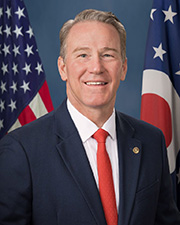
Sen. Jon Husted
Sponsored bills
Maddy summaryThis bill establishes federal agency "technology and AI talent teams" to improve hiring for technology and artificial intelligence roles in the competitive service (standard federal jobs). It creates centralized teams at agencies and the Office of Personnel Management (OPM) to develop better job postings, technical assessments (like coding tests or work exercises), and share hiring tools across government. The bill requires agencies to phase out reliance on self-assessment exams for these roles within five years, instead using expert-developed evaluations. These changes directly affect federal agencies hiring for tech/AI positions and job seekers applying for those roles.
Maddy summaryThe Accountability for Better Care Act of 2025 modifies key provisions of the Affordable Care Act's health insurance subsidies. It extends the premium tax credit period to 2027, increases the income threshold for higher-income households to 600% of the federal poverty level (from 400%), and ensures subsidies never exceed monthly premiums minus $5. The bill also requires U.S. citizenship for eligibility (replacing prior rules for non-citizens), and prohibits health plans covering abortions (except in cases of life endangerment, rape, or incest) from qualifying for subsidies. These changes apply to tax years beginning after December 31, 2025.
Maddy summarySRES 536 is a non-binding Senate resolution designating December 2, 2025, as "World Nuclear Energy Day." It commemorates nuclear energy's role in clean power generation, highlighting historical milestones like the first nuclear chain reaction (1942) and the first commercial nuclear plant (1957). The resolution celebrates nuclear energy's contributions to U.S. electricity (18% of generation, 43% carbon-free), job creation (over 70,000 direct jobs), and national security, without creating new laws or affecting any group. It serves as a symbolic recognition of the industry's achievements.
Maddy summaryThis resolution (SRES 516) urges federal, state, and local governments to make the U.S. foster care and adoption system more child-centered and supportive. It directly affects over 340,000 children in foster care and approximately 20,000 young adults who age out of the system annually, who often face risks like homelessness and unemployment. Key provisions include emphasizing children’s safety as the top priority, encouraging better training for foster/adoptive parents, and calling for post-foster support in education, housing, and mental health services. As a non-binding resolution, it does not create new laws but encourages collaborative action to improve oversight and transition planning.
Maddy summaryThis bill allows states to assume federal permitting responsibilities for highway, railroad, and public transportation projects under the Clean Water Act. States can take over environmental reviews and permit approvals for these projects through written agreements with the Army Corps and EPA, potentially speeding up project timelines. The program requires states to meet federal standards, maintain financial resources, and undergo regular federal audits to ensure compliance. It does not change environmental standards but shifts implementation authority to states for specific transportation infrastructure projects.
Maddy summaryS 3341, the Investing in All of America Act of 2025, modifies rules for Small Business Investment Companies (SBICs) to adjust their debt limits and expand eligible investments. It lowers the maximum leverage ratio for certain SBICs from $300 million to $200 million and sets a new $125 million cap on excluded investments for companies funding businesses in rural areas, critical technology sectors, or small manufacturers. The bill specifically affects SBICs licensed under the Small Business Investment Act of 1958 and the businesses they finance in targeted geographic or industry areas. Key changes include revised financial thresholds and updated definitions for "rural" and "critical technology" to qualify for debt exclusions. These provisions directly alter how SBICs calculate allowable debt when supporting small businesses.
Maddy summaryThis bill requires the Government Accountability Office (GAO) to conduct a comprehensive review of all Environmental Protection Agency (EPA) clean water technical assistance programs within one year of enactment. The review will examine how the EPA selects and partners with technical assistance providers, matches services to community needs (including economically distressed areas), avoids duplication, and helps communities access other water infrastructure programs. The GAO must report findings and recommendations to Congress, and the EPA must then submit annual plans detailing how it implements those recommendations. This directly affects the EPA’s management of clean water technical assistance and the States, Tribes, local governments, and organizations that receive this support.
Maddy summaryThe AI Workforce PREPARE Act requires the Department of Labor to collect and analyze data on how artificial intelligence affects jobs, including tracking AI adoption by employers and forecasting impacts on specific occupations. It establishes an AI Workforce Research Hub to lead this effort, mandates new survey questions about AI in the workplace, and requires employers to disclose when AI contributes to mass layoffs. The bill creates detailed employment forecasts for occupations most affected by AI, with prediction intervals showing uncertainty ranges, and aims to integrate this data into workforce training programs. These provisions are designed to help workers, employers, and policymakers prepare for AI-driven changes in the labor market.
Maddy summaryS 3302, the Mikaela Naylon Give Kids a Chance Act of 2025, requires drug manufacturers developing cancer treatments to conduct pediatric-focused research for certain drugs targeting pediatric cancer mechanisms. It amends FDA drug approval processes to mandate molecularly targeted pediatric cancer investigations for drugs with new active ingredients or specific approved combinations, ensuring studies address dosing, safety, and efficacy for children. The bill also extends priority review vouchers (which expedite FDA reviews) for rare pediatric disease treatments until 2030 and mandates GAO studies to evaluate how effectively these incentives spur new pediatric cancer drug development. These changes apply to new drug applications submitted three years after the law's enactment, with reports due to Congress at 6, 8, and 10 years.