

Maddy summaryHR 7438 directs the U.S. Treasury to mint commemorative coins for the 2026 FIFA World Cup, including 100,000 $5 gold coins, 500,000 $1 silver coins, and 750,000 half-dollar coins. The coins will be sold to the public at face value plus surcharges ($35, $10, and $5 per coin, respectively), with all surcharge revenue paid to FWC2026 US, Inc. for U.S. soccer programs. These funds must support soccer initiatives, particularly in underserved communities and youth development, as specified in the bill. The coins are legal tender but will only be issued during 2026, with no net cost to the U.S. government.
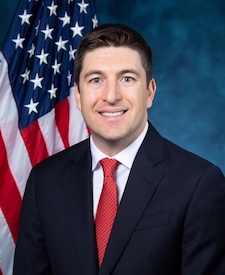
Rep. Bryan Steil
Sponsored bills
Maddy summaryThis bill amends the Regulatory Flexibility Act to require federal agencies to more thoroughly assess how proposed regulations impact small businesses, including indirect costs on businesses that aren't directly regulated but are affected by the rules (e.g., suppliers or partners). It creates a new process allowing small businesses or their representatives to petition the Small Business Administration's Chief Counsel to review an agency's claim that a rule won't significantly affect small entities, with strict timelines for agency responses. If an agency fails to cooperate with this review, the final rule cannot apply to small businesses. Agencies must also publish regulatory guidance online for small businesses to comment on, ensuring greater transparency in rulemaking.
Maddy summaryHR 10308 would create a refund program for businesses that handle permanently dyed diesel or kerosene fuel used off-road (like for farming or construction). It allows eligible businesses to receive a payment equal to taxes previously paid on this fuel, which is legally marked with indelible dye and exempt from highway taxes. The refund applies when the fuel is removed from a terminal, and the program would begin 180 days after the bill becomes law. This affects fuel distributors and businesses managing legally dyed off-road fuel.
Maddy summaryHR 7428, the Earned Wage Access Consumer Protection Act, regulates services that let workers access early payments of earned but unpaid wages (e.g., via apps or employer partnerships). It directly affects workers using these services ("consumers") and the companies providing them ("providers"), prohibiting practices like forcing repayment through lawsuits, hiding fees, or charging late fees. Key provisions require clear upfront fee disclosures, ensure tips/gratuities are truly voluntary (with no link to service eligibility), and ban providers from using debt collectors to recover unpaid advances. The bill also clarifies that these advances aren’t considered "consumer credit" under federal law, preventing providers from being treated as lenders.
Maddy summaryThis bill (HR 7199) renames a U.S. Postal Service facility in Muskego, Wisconsin (located at S74w16860 Janesville Road) as the "Colonel Hans Christian Heg Post Office." It updates all official federal references to this specific location to use the new name. The bill has no policy impact beyond administrative naming and affects only the postal facility and related government documents. It was signed into law on November 25, 2024.
Maddy summaryHR 6651 designates the U.S. Postal Service facility at 603 West 3rd Street in Necedah, Wisconsin, as the "Sergeant Kenneth E. Murphy Post Office Building." The bill updates all official government references (including laws, maps, and documents) to use this new name for the building. This is a commemorative act with no policy changes or direct impact beyond renaming the facility. The bill was signed into law on November 25, 2024.
Maddy summaryThis bill renames a U.S. Postal Service facility at 220 Fremont Street in Kiel, Wisconsin, as the "Trooper Trevor J. Casper Post Office Building." It directly affects the postal service location and all federal documents referencing it. The bill’s key provision updates all official references (laws, maps, records) to use the new name. No policy changes or funding are involved - this is a purely ceremonial naming resolution.
Maddy summaryThe Working Dog Commemorative Coin Act (HR 807) directs the U.S. Treasury to mint three types of commemorative coins honoring working dogs' service: $5 gold coins, $1 silver coins, and half-dollar coins with specific weight and composition requirements. Each coin will carry a surcharge ($35 for $5 coins, $10 for $1 coins, $5 for half-dollars) that will be paid directly to America's VetDogs to support their programs providing service dogs for veterans, the disabled, and others. The coins will be issued in 2027 with designs reflecting working dogs' roles in military, detection, therapy, and assistance work. The legislation specifies that all surcharge revenue must fund America's VetDogs' operations without creating new government programs. This is a commemorative measure focused on honoring working dogs' contributions through coin sales, with all surcharge funds going to a specific nonprofit organization.
Maddy summaryHR 8706, the "Dismantle DEI Act of 2024," would prohibit federal agencies from maintaining diversity, equity, and inclusion (DEI) offices, programs, or training by requiring the closure of existing DEI offices within 90 days and banning federal funding for DEI-related activities. The bill defines "prohibited diversity, equity, and inclusion practices" as those that discriminate based on race, color, ethnicity, religion, biological sex, or national origin, or require training that asserts a particular group is inherently superior or inferior. It would rescind several executive orders related to racial equity and gender inclusion, and prohibit the use of federal funds for DEI-related activities across all federal agencies, contractors, and grant recipients. The bill contains limited exceptions for Equal Employment Opportunity offices and disability rights enforcement offices as historically organized and operated.
Maddy summaryHRES 1574 is a non-binding House resolution calling for the immediate removal of Federal Deposit Insurance Corporation (FDIC) Chairman Martin J. Gruenberg. It cites concerns about his leadership, including alleged mistreatment of staff, a "toxic workplace," staffing shortages, and failures in bank supervision that contributed to financial institution failures. The resolution does not change law or remove Gruenberg (as the President appoints FDIC leaders), but formally demands his removal. It was introduced by 25 Republican representatives and referred to the Financial Services Committee.