

Maddy summaryH.J.Res. 88 disapproves an Environmental Protection Agency (EPA) rule that would have allowed California to enforce its "Advanced Clean Cars II" vehicle emission standards. This rule, submitted by the EPA on January 6, 2025, sought to grant California a waiver to override federal preemption for its stricter vehicle pollution controls. The resolution, passed by Congress and signed into law on June 12, 2025, formally nullifies the EPA rule, preventing California from implementing its Advanced Clean Cars II program under this specific waiver. The bill directly affects California's ability to set its own vehicle emission standards for passenger cars and light trucks.
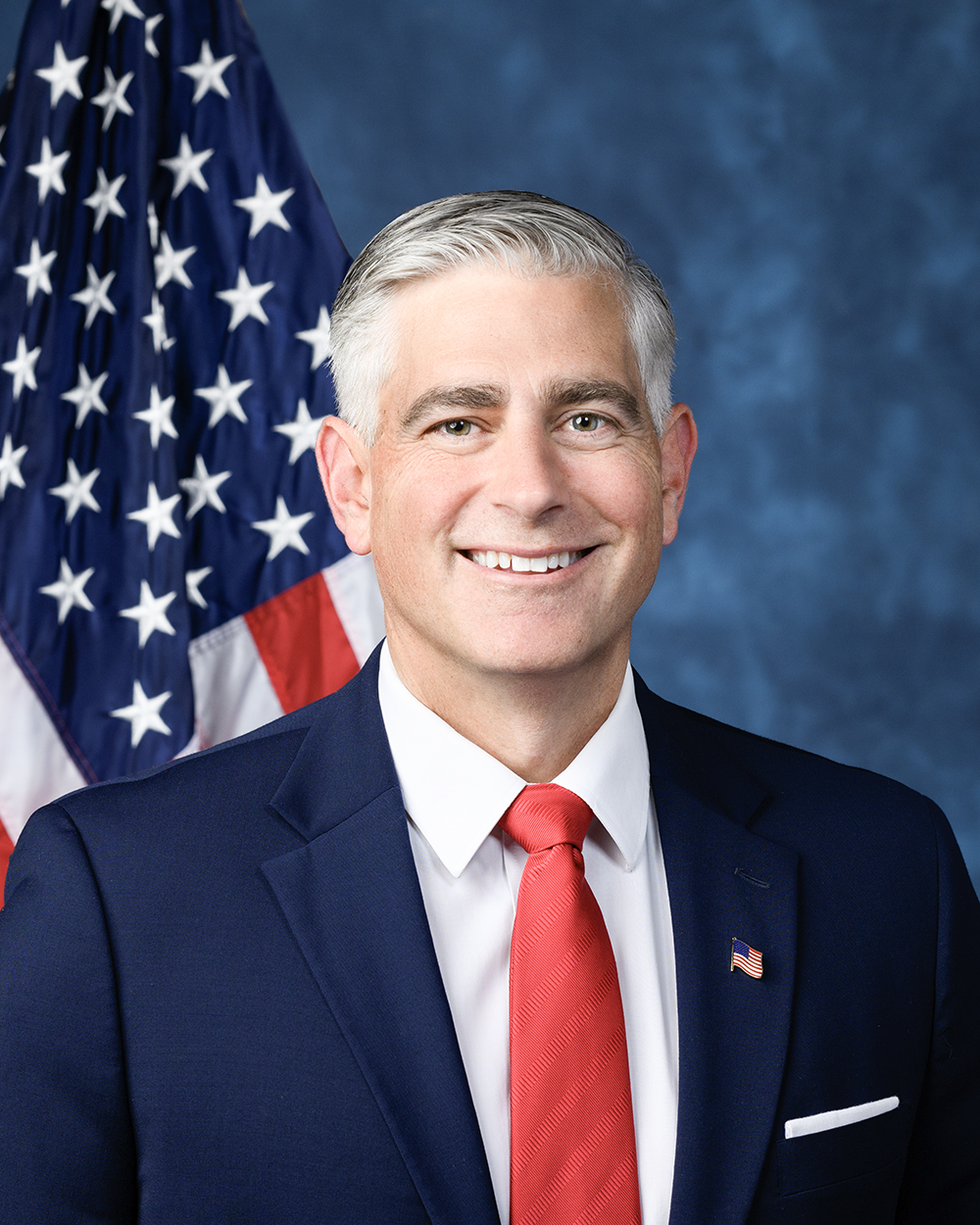
Rep. Michael Baumgartner
Sponsored bills
Maddy summaryHJRES 89 is a congressional disapproval resolution that blocks an Environmental Protection Agency (EPA) rule concerning California's vehicle and engine pollution standards. The resolution specifically targets the EPA's "Omnibus Low NOX Regulation" and waiver of preemption, which would have allowed California to enforce stricter emissions rules. By disapproving this rule under Chapter 8 of Title 5 U.S. Code, Congress has nullified the EPA's action, meaning the regulation will have no legal effect. This directly affects the EPA's authority to approve California's state-level pollution control standards for motor vehicles.
Maddy summaryThe Patriots Over Politics Act (HR 3619) allows veterans discharged between August 2021 and January 2023 solely for refusing a COVID-19 vaccine to transfer their earned educational benefits to eligible dependents. Veterans must initiate the transfer within 90 days of the bill’s enactment. Dependents can use the transferred benefits only after the veteran completed at least six years of military service - a requirement already met by these veterans prior to separation. This provision directly affects veterans separated for vaccine refusal during the specified period, providing a pathway to pass on unused education benefits.
Maddy summaryHR 3843, the Baseload Reliability Protection Act, prohibits the retirement or fuel-source conversion of certain large, reliable power plants (over 25 megawatts, not relying on intermittent renewables like solar/wind without storage) in areas designated as high or elevated risk for electricity shortages. It directly affects power plant operators in these high-risk regions, requiring them to maintain existing facilities unless they qualify for an exemption. Exemptions can be granted if operators demonstrate financial hardship, safety risks, or prove they’ll replace the plant with a comparable reliable unit, with potential federal grants or loans from the Department of Energy to cover operational costs. The bill explicitly blocks consideration of greenhouse gas emissions in exemption decisions and mandates standardized risk assessment criteria for identifying high-risk areas.
Maddy summaryHR 3791, the EMS Counts Act, requires the Bureau of Labor Statistics (BLS) to revise its job classification system to properly count dual-role firefighter/EMTs and firefighter/paramedics as EMS personnel. This directly affects how national workforce data on emergency medical services is collected, correcting a current undercount that excludes these workers. The bill mandates the Secretary of Labor to add specific occupational categories ("Firefighter/EMTs" and "Firefighter/Paramedics") to the BLS system within 120 days of enactment. A report detailing this change and past efforts to improve EMS counting must be submitted to Congress within 270 days. The law aims to ensure accurate data for federal agencies to better address EMS workforce needs during emergencies.
Maddy summaryThis bill adds a death penalty option for individuals convicted of distributing, manufacturing, or possessing fentanyl with intent to distribute when their actions cause a death. It directly affects fentanyl traffickers and dealers found guilty under specific drug trafficking laws (sections 401(a)(1) or 416 of the Controlled Substances Act) if their distribution results in a fatality. The key provision allows courts to impose the death penalty, life imprisonment, or any term of years, along with fines under federal law. This policy change specifically targets fentanyl-related offenses causing death, not other drugs or non-fatal cases.
Maddy summaryHR 3773 (PROTECT Act of 2025) amends federal law to recognize tribal courts as having authority equivalent to state courts for certain electronic evidence cases. It requires that warrants for electronic communications stored 180 days or less must follow procedures from the Indian Civil Rights Act (25 U.S.C. 1302(a)(2)) when issued by tribal courts. The bill also expands tribal jurisdiction over controlled substance offenses (like drug trafficking or possession) and firearms offenses (such as possession by domestic violence offenders) by defining these terms for tribal courts. This directly affects tribal courts and tribal law enforcement by standardizing legal procedures for evidence handling and broadening their authority under federal law. The changes align tribal court processes with federal and state standards for digital evidence and criminal jurisdiction.
Maddy summaryHR 649, the Whole Milk for Healthy Kids Act of 2025, amends the National School Lunch Act to allow schools participating in the program to offer students both organic and non-organic whole milk, in addition to reduced-fat, low-fat, and fat-free options. Key provisions include clarifying that milk fat in whole milk should not count toward saturated fat limits for meal compliance, prohibiting schools from purchasing milk from Chinese state-owned enterprises, and ensuring schools cannot be barred from offering the full range of milk types listed. The bill directly affects public and private schools serving the National School Lunch Program by expanding their milk options for students. It focuses on concrete policy changes to dietary offerings and sourcing restrictions within the school nutrition program.
Maddy summaryHRES 447 is a non-binding House resolution condemning antisemitism and honoring Yaron Lischinsky and Sarah Milgrim, two Israeli Embassy employees killed during a peace-focused panel discussion in 2023. The resolution specifically condemns all forms of antisemitism - including violence, vandalism, and online harassment - and remembers the victims, who were killed by a far-left activist affiliated with the Party for Socialism and Liberation. It calls for enforcing existing hate crime laws and protecting religious freedom, without creating new legislation. This resolution symbolically supports Jewish communities and victims of antisemitic violence but does not alter legal requirements.
Maddy summaryHR 3566, the ANCHOR for Military Families Act, requires the Department of Defense to provide military members and their families with comprehensive relocation assistance information at least 45 days before a permanent change of station. The bill mandates that this information cover educational resources for children (including school transitions, special education, and Individualized Education Programs), housing options, mental health support, spouse employment assistance, and legal/financial counseling. It directs the Secretary of Defense to integrate these details into accessible briefings, online resources, and materials at military installations. The law also requires annual reports to Congress on implementation progress and family awareness of available support programs. This bill directly affects active-duty service members and their families facing relocation due to military orders.