

Maddy summaryHR 4966 prohibits grocery stores from selling items at "grossly excessive prices," defined as 120% or more above the average market price over the previous six months (with exceptions for unavoidable cost increases like supply chain issues). It bans using facial recognition or personal data to set different prices for individual customers (e.g., adjusting prices based on shopping history) and requires clear signage if facial recognition is used. Stores over 10,000 square feet must replace electronic shelf labels with physical price tags. The Federal Trade Commission enforces these rules, allowing consumers to seek $3,000 per violation or actual damages, with penalties for willful violations.
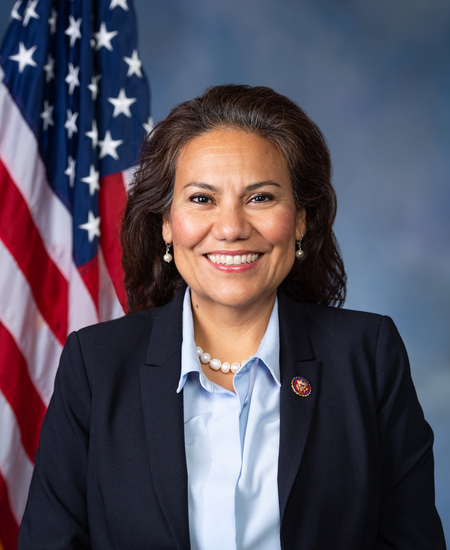
Rep. Veronica Escobar
Sponsored bills
Maddy summaryThis bill would change how Social Security cost-of-living adjustments are calculated by creating a new Consumer Price Index for Elderly Consumers (CPI-E) that tracks spending patterns specific to seniors aged 62 and older. It would also modify tax calculations for high earners by applying declining percentages of income above the Social Security tax cap (from 86% in 2026 down to 0% after 2031) for both wages and self-employment income. Additionally, the bill would adjust benefit calculations to include "surplus earnings" above the tax cap for individuals with high lifetime earnings. These changes would primarily affect Social Security beneficiaries and high-earning workers, particularly those becoming eligible for benefits after 2025.
Maddy summaryThis bill requires the U.S. Department of State to include specific, detailed reporting on reproductive rights in its Annual Country Reports on Human Rights Practices. It mandates descriptions of each country's policies regarding access to contraception, abortion services, and comprehensive reproductive health care, alongside data on pregnancy-related deaths, discrimination against women and LGBTQI+ individuals, and disparities based on race, disability, or other factors. The bill also directs the State Department to consult with civil society organizations and health experts to ensure thorough reporting on these issues. This change aims to align U.S. reporting with international human rights standards and address past omissions of reproductive rights from these reports.
Maddy summaryThis bill removes a barrier preventing most low-income students from accessing SNAP benefits. It amends the Food and Nutrition Act to explicitly allow students enrolled at least half-time in recognized higher education programs to qualify for SNAP, reversing a prior exclusion. The key change eliminates the previous requirement that students meet specific exceptions (now deleted) and adds a new eligibility category under Section 3(m)(5). This directly affects low-income undergraduate and graduate students at colleges and training programs who were previously ineligible. The changes take effect January 2, 2026.
Maddy summaryHR 4796, the Restoring Essential Healthcare Act, repeals a provision that blocked Medicaid payments to certain healthcare providers during a specific period. It directly affects Medicaid beneficiaries who received care from these providers between the enactment of the prior law (Public Law 119-21) and this bill's enactment. The key provision retroactively restores Medicaid payments for services already provided during that blocked period, treating the payment restriction as if it never existed. This change ensures eligible individuals and providers receive reimbursement for covered care delivered during the prohibited timeframe.
Maddy summaryThe Pigs and Public Health Act prohibits the use of beta-adrenergic agonist drugs like ractopamine for growth promotion or feed efficiency in pigs (not for treating disease), sets new transportation standards to prevent pigs from becoming nonambulatory (including requirements for space, bedding, temperature control, and water access), and mandates humane euthanasia of nonambulatory pigs. It prohibits processing meat from nonambulatory pigs, establishes an online complaint portal for confidential reporting of violations, and requires a study on public health risks associated with pathogens like swine influenza and Salmonella. These provisions apply to pork producers, slaughter facilities, and workers in the pork industry. The bill aims to improve animal welfare, worker safety, and public health by preventing diseased pigs from entering the food supply. Regulations must be issued within one year of enactment.
Maddy summaryThe Foster Youth Mentoring Act of 2025 authorizes federal grants to fund structured mentoring programs for children in foster care (under 18) and youth with foster care experience (up to age 26). It requires grantees to provide trained mentors (adult or peer), ensure cultural competence, conduct background checks, and match mentors with mentees for at least one year to support academic, social, and emotional needs. Programs must prioritize input from youth, recruit diverse mentors reflecting foster youth demographics, and coordinate with child welfare and education systems. The bill allocates $50 million annually for fiscal years 2026-2027, mandating annual reports on program reach, mentor demographics, and outcomes like school attendance and college enrollment. This directly affects over 390,000 foster youth annually by expanding access to evidence-based mentoring.
Maddy summaryHR 4667, the VISIBLE Act, requires U.S. Immigration and Customs Enforcement (ICE), U.S. Customs and Border Protection (CBP), and other authorized immigration officers to visibly display their agency name and either their last name or unique badge number during all public immigration enforcement activities (such as stops, arrests, raids, or checkpoints). This identification must be clearly legible from 25 feet away on outer clothing, not obscured by gear, and officers cannot wear face coverings that hide their face during public interactions unless for covert operations or hazardous conditions. The bill mandates DHS to discipline non-compliant officers and submit annual reports to Congress detailing enforcement activities, violations, and disciplinary actions. It also directs DHS’s Civil Rights Office to investigate public complaints about noncompliance.
Maddy summaryHJRES 111 is a joint resolution seeking congressional disapproval of a U.S. Fish and Wildlife Service rule on barred owl management. The rule, published in September 2024, outlined strategies to reduce barred owl populations to protect the endangered spotted owl. Under the Congressional Review Act, this resolution would nullify the rule, preventing its implementation. If enacted, the rule would have no legal effect, and the agency could not enforce the barred owl management strategy.
Maddy summaryHR 4723, the Mental Health for Latinos Act of 2025, requires the U.S. Department of Health and Human Services to create a new outreach strategy specifically for Hispanic and Latino communities to improve mental health access and reduce stigma. The strategy must address cultural and language needs, provide information on culturally appropriate treatments, and involve community members in its development. It mandates annual reports to Congress on the strategy’s impact on mental health outcomes and allocates $1 million for fiscal year 2026 to fund implementation. This bill directly affects Hispanic and Latino individuals facing barriers to mental health care due to cultural, linguistic, or systemic factors.