

Maddy summaryThis bill designates the U.S. Postal Service facility at 417 West 7th Street in Columbia, Tennessee, as the "Pharmacist’s Mate First Class John Harlan Willis Post Office Building." It updates all official references (including laws, maps, and documents) to reflect this new name. The bill affects the specific post office location and any federal records mentioning it, without altering postal services or creating new policies. This is a ceremonial naming bill with no substantive policy changes.
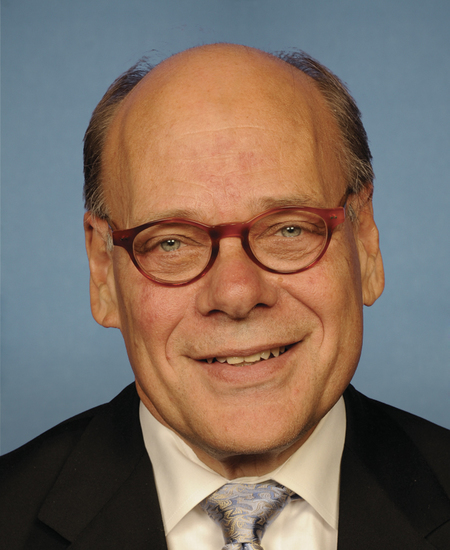
Rep. Steve Cohen
Sponsored bills
Maddy summaryThis bill renames a specific United States Postal Service facility in Knoxville, Tennessee, located at 300 Macedonia Lane, as the "Reverend Harold Middlebrook Post Office Building." It directly affects the USPS location by changing its official name and requires all federal references to the building (in laws, maps, documents, etc.) to reflect the new name. The key provision is the formal designation and updating of all official records to use the new name. This is a ceremonial naming bill with no substantive policy changes.
Maddy summaryThis resolution expresses support for designating July as Disability Pride Month to honor the contributions of the approximately 70 million American adults and over 3 million children with disabilities. The bill calls on individuals, interest groups, and organizations across the United States to observe the month with celebrations and activities that promote inclusion. Additionally, it urges everyone to actively work against the exclusion and discrimination that people with disabilities often face. While the measure does not create new laws or funding, it serves as an official statement of recognition and encouragement for community engagement during this time.
Maddy summaryThis bill establishes federal protections and funding to expand access to in vitro fertilization and intrauterine insemination for individuals, military service members, and veterans. It requires most private health plans, Medicaid programs, and Medicare to cover these fertility treatments without imposing higher cost-sharing than other medical services. Additionally, the legislation mandates that the Department of Defense and the Department of Veterans Affairs provide specific fertility preservation and treatment benefits to uniformed service members and eligible veterans. The bill also includes preemption clauses that override state laws restricting these procedures and prohibits discrimination based on marital status, sex, or sexual orientation in the provision of care.
Maddy summaryThis bill would invalidate a final rule issued by the U.S. Fish and Wildlife Service and the National Oceanic and Atmospheric Administration that rescinded the definition of "harm" under the Endangered Species Act. By declaring that the 2026 rule has no force or effect, the legislation aims to restore the previous legal interpretation of how actions can harm protected species. This change directly affects entities subject to the Endangered Species Act by reinstating the broader regulatory framework for protecting endangered and threatened wildlife.
Maddy summaryThis bill reauthorizes and expands the Accelerating Access to Critical Therapies for ALS Act through 2031, extending funding for research into treatments for amyotrophic lateral sclerosis. It requires drug manufacturers to share interim clinical trial data with the FDA to better assess the progress of investigational drugs and clarifies that phase 3 clinical trial definitions include combined phase 2/3 trials and planned trials not yet enrolling participants. The legislation also mandates the FDA to publish an updated five-year action plan for ALS and other rare neurodegenerative diseases, including resource needs and coordination strategies with broader disease communities. Additionally, the bill requires the Government Accountability Office to submit a report on the program's implementation four years after enactment.
Maddy summaryThis bill expands federal election laws to prevent foreign nationals from influencing U.S. elections by tightening restrictions on domestic companies with significant foreign ownership or control. It requires businesses that are at least 50% owned by foreign individuals, or those with specific foreign influence, to file a sworn certification proving they are not foreign-controlled before making any political donations or spending money on election activities. Additionally, the law clarifies that these rules apply to state and local ballot initiatives and mandates that corporate political action funds certify their managers and board members are U.S. citizens or permanent residents. The legislation also prohibits recipients of funds from these businesses from using the money for further political contributions unless they receive and verify the required compliance certification.
Maddy summaryThis bill, titled the Ensuring Kids Have Access to Medically Necessary Dental Care Act, modifies the Children's Health Insurance Program to expand dental coverage for low-income children and pregnant women. It mandates that states remove any lifetime or annual dollar limits on dental benefits for eligible participants and requires states to offer dental-only supplemental coverage instead of allowing them to opt out. The changes take effect six months after the law is enacted, ensuring that these specific groups receive consistent access to necessary dental services without financial caps.
Maddy summaryThe Medicaid Dental Benefit Act of 2026 mandates that Medicaid programs cover a range of dental and oral health services for adults starting in 2027, including dentures, implants, and treatments for pain and emergencies. To help states afford this expansion, the bill provides 100 percent federal funding for these specific services for a 12-quarter period beginning in 2027, while allowing states the option to add extra dental benefits if they choose. In addition to expanding coverage, the legislation requires the federal government to develop standardized quality measures to track adult oral health outcomes and report on disparities based on race, ethnicity, and other demographics. The bill also directs the creation of an outreach program to help eligible adults find care and establishes a timeline for a comprehensive report on access barriers and reimbursement issues.
Maddy summaryThis bill requires pharmacy benefits managers (PBMs) administering prescription drug benefits for federal employee health plans to reimburse pharmacies at specific rates, including the national average drug cost plus a small percentage or $50, whichever is lower. It prohibits PBMs from favoring their own pharmacies, restricting patient choice, or reducing pharmacy payments after claims are processed. The bill establishes $10,000 civil penalties for violations, with debarment from federal health plans after 10 penalties in 10 years. This directly affects PBMs, in-network pharmacies, and federal health benefit plans covering millions of federal employees and their families. The law aims to ensure fair reimbursement practices and maintain pharmacy choice under the Federal Employees Health Benefits Program.