

Maddy summaryHR 934, the Chinese Spy Balloon Assessment Act, requires the Secretary of Defense to submit a report to Congress within 90 days of the bill's enactment. The report must analyze the national security effects of surveillance conducted by China via the high-altitude balloon shot down in U.S. airspace in February 2023, specifically covering impacts on military installations and the technology recovered from the balloon, including its country of origin. This bill directly affects the Department of Defense and Congress by mandating a formal assessment of a specific security incident. It does not create new policies or funding but establishes a procedural requirement for transparency regarding the balloon incident. The report must be unclassified but may include a classified annex.
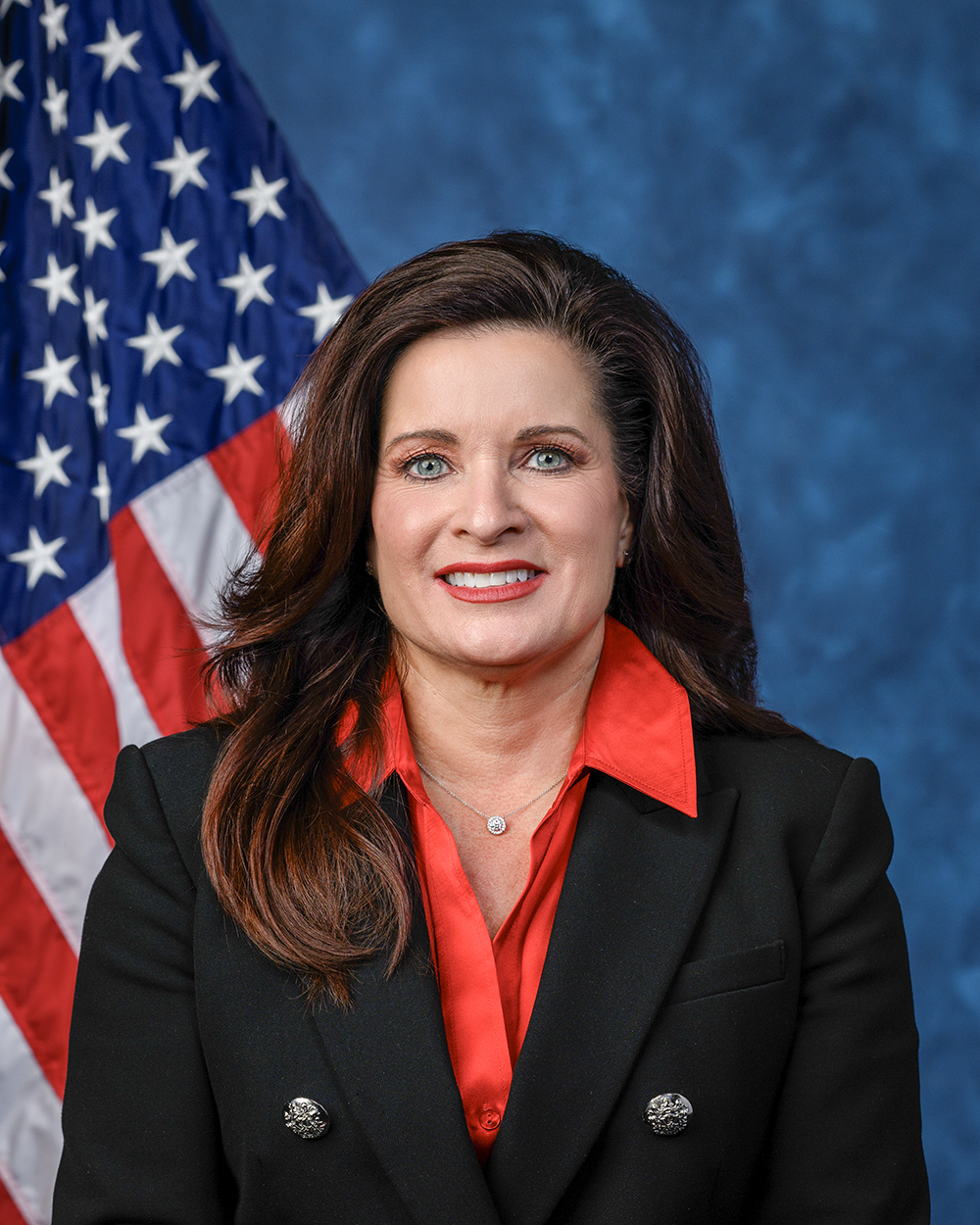
Rep. Sheri Biggs
Sponsored bills
Maddy summaryHR 943, the "No User Fees for Gun Owners Act," bans states and local governments from requiring insurance, taxes, or user fees as conditions for owning, buying, or selling firearms. It specifically prohibits these fees for firearm manufacture, importation, acquisition, transfer, or continued ownership, except for general sales taxes applied equally to all goods. The bill amends federal law to prevent states from imposing such conditions on gun ownership or commerce, while allowing standard sales taxes to apply uniformly. This directly affects gun owners, dealers, and manufacturers by removing mandatory fees tied to firearm transactions. The law does not restrict general sales taxes but eliminates state-specific fees as a prerequisite for firearm-related activities.
Maddy summaryHR 925, the "Dismantle DEI Act of 2025," would eliminate diversity, equity, and inclusion (DEI) programs across federal government operations. The bill requires federal agencies to close DEI offices, rescind related executive orders, and prohibit the use of federal funds for DEI training, offices, or initiatives. It defines "prohibited diversity, equity, or inclusion practice" as any activity that discriminates based on race, ethnicity, religion, biological sex, or national origin, or requires employees to complete training asserting that certain groups are inherently superior or inferior. The legislation also prohibits requiring employees to sign statements about race, ethnicity, or gender, and establishes private lawsuits for violations with potential damages of $1,000 per violation per day. This bill would directly affect federal agencies, contractors, grantees, and advisory committees receiving federal funding.
Maddy summaryHR 833 creates a federal tax credit for individuals and corporations that contribute to scholarship granting organizations (SGOs) providing scholarships for elementary and secondary education. The credit allows taxpayers to deduct up to 10% of their adjusted gross income or $5,000 (whichever is less) for contributions to SGOs serving students from households with income up to 300% of the area median income. The bill establishes a $10 billion annual cap on the tax credit program, requires SGOs to verify student eligibility and maintain separate accounts, and prohibits government control over SGOs or private schools. It ensures scholarships can be used at public, private, or religious schools without discrimination based on religious character. The tax credit would be available for contributions made after December 31, 2025, with annual volume cap increases based on usage.
Maddy summaryHR 899 would end the U.S. Department of Education by December 31, 2026, terminating its federal agency status. This bill directly affects all federal education programs and operations currently managed by the Department, such as student aid and school funding. The key mechanism is a fixed termination date, requiring the transfer of the Department's responsibilities to other federal agencies without specifying new administrative structures. The bill focuses solely on ending the agency's existence, not altering education policy or funding mechanisms.
Maddy summaryThe Second Chance for Moms Act (HR 796) requires a new warning label on mifepristone - a medication used for medical abortions - stating that natural progesterone may counteract its effects and increase fetal survival, with a hotline reference for further information. It also mandates a federal 24/7 hotline providing support and referrals exclusively to healthcare providers offering "abortion pill reversal" services. This bill directly affects patients prescribed mifepristone and healthcare providers who dispense the medication, as the label must appear on packaging and the hotline must be established. The warning label would take effect six months after enactment, and the hotline would operate under the Public Health Service Act.
Maddy summaryThis bill prohibits federal funds from being used to cover gender transition procedures for individuals under 18, including puberty blockers, hormone therapies (at higher-than-normal doses), and surgeries like hysterectomies or mastectomies. It defines "sex" biologically as male or female and exempts certain medical treatments, such as puberty suppression for precocious puberty or care for genetic disorders of sex development. The policy directly affects minors receiving federally funded healthcare (e.g., Medicaid), restricting coverage for most gender-affirming care. Key mechanisms include funding restrictions and specific medical exceptions, though it does not ban private insurance or out-of-pocket payments.
Maddy summaryHR 778, the Safeguarding American Workers’ Benefits Act, modifies Social Security Number (SSN) requirements for claiming the Child Tax Credit (CTC) and Earned Income Tax Credit (EITC). It requires taxpayers to provide SSNs issued to U.S. citizens or under specific legal provisions (as defined in the bill) before the tax return deadline, replacing previous allowances for certain alternative numbers. This directly affects individuals filing taxes who seek these credits, as they must now use only eligible SSNs to qualify. The changes apply to taxable years beginning after December 31, 2025. The bill does not alter the credit amounts but tightens verification rules for eligibility.
Maddy summaryHR 756, the 287(g) Program Protection Act, makes it easier for state and local law enforcement agencies to partner with federal immigration authorities under the 287(g) program. It requires the Secretary of Homeland Security to enter written agreements with any state or local agency that requests participation within 90 days, prohibits arbitrary denials without 180 days' notice to Congress, and bans termination of existing agreements without compelling reasons and 180 days' notice. The bill also mandates uniform federal training standards for participating officers, requires annual reports on program performance (including apprehensions, removals, and compliance), and establishes dedicated funding for the program. This directly affects state and local police departments seeking to enforce federal immigration laws within their jurisdictions.
Maddy summaryHR 719, the "No Abortion Coverage for Medicaid Act," would prohibit federal Medicaid funds from covering abortions under any Medicaid demonstration projects or waivers, with limited exceptions. It specifically blocks federal financial assistance for abortion services or related expenses (like travel) in Medicaid programs, except in cases of rape or incest, life-threatening pregnancy conditions, or treatment for miscarriage or ectopic pregnancy. This bill directly affects Medicaid recipients in states participating in federal demonstration projects, preventing them from using Medicaid funds for abortion services except under the narrow exceptions listed. The bill aims to permanently align Medicaid funding with the longstanding Hyde Amendment restrictions.