

Deporting Fraudsters Act of 2026 This bill makes certain acts related to public benefits fraud grounds for (1) barring a non-U.S. national ( alien under federal law) from admission into the United States, or (2) deporting the individual. The bill also makes such an individual ineligible for immigration enforcement relief, including relief for an individual in danger of subjection to torture. Specifically, this bill applies to individuals who have been convicted of, admit to having committed, or admit to acts which constitute certain offenses. Offenses covered by this bill include (1) fraud involving Supplemental Nutrition Assistance Program (SNAP) benefits, (2) fraud involving Social Security benefits, (3) fraud involving programs that receive federal funds, and (4) the production of fraudulent identification documents.
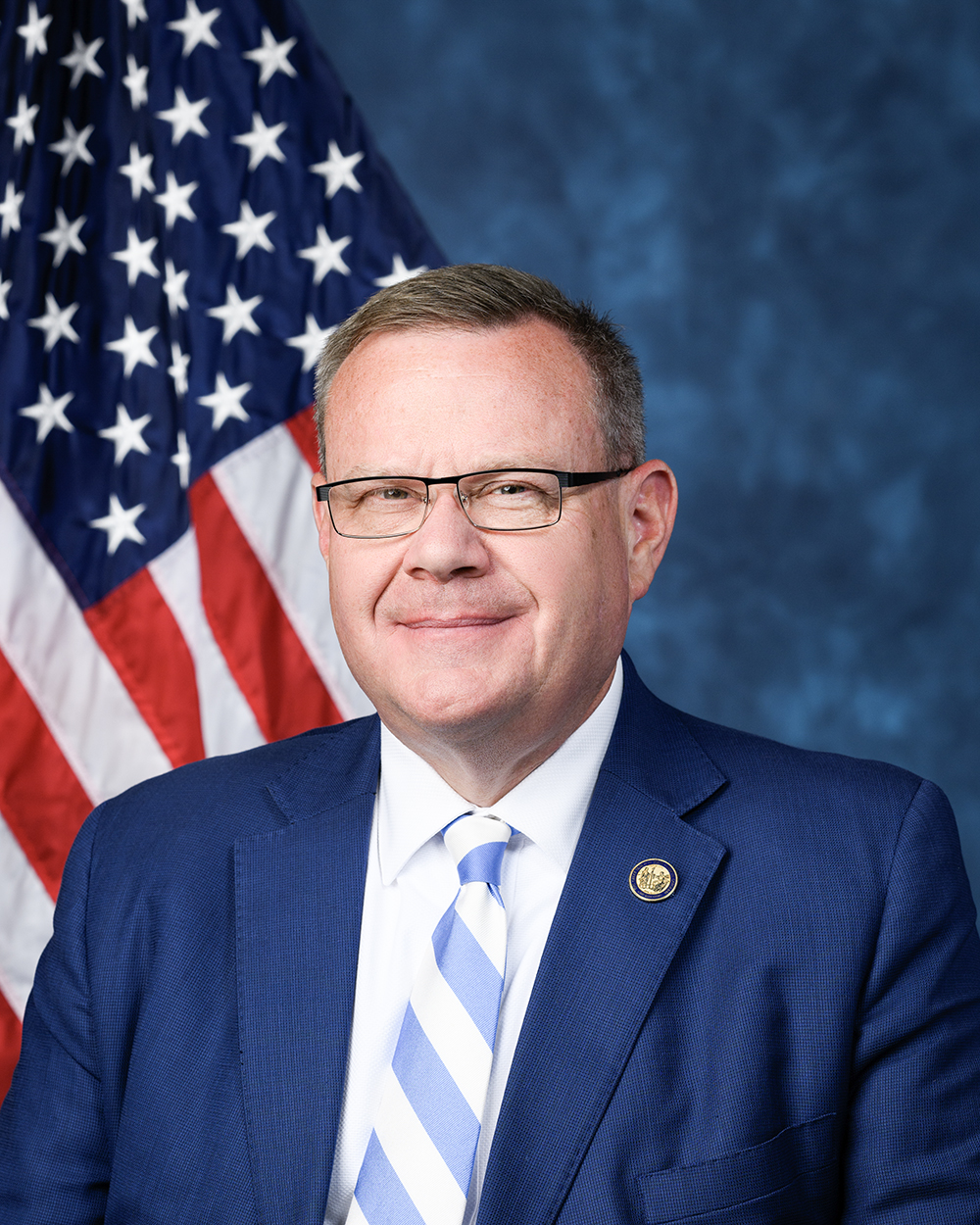
Rep. Tim Moore
Sponsored bills
Maddy summaryHR 1799, the Financial Reporting Threshold Modernization Act, raises reporting thresholds for financial institutions handling large cash transactions. It increases the threshold for currency transaction reports from $10,000 to $30,000 and adjusts suspicious activity report thresholds from $5,000/$2,000 to $10,000/$3,000. The bill requires automatic updates to these thresholds every five years using the Consumer Price Index to account for inflation. This directly affects banks, money services businesses, and other entities that must file these reports under U.S. financial regulations.
Maddy summaryHR 556, the Protecting Access for Hunters and Anglers Act, prevents federal agencies from banning lead ammunition or tackle on public lands and waters managed for hunting or fishing. It directly affects hunters and anglers using federal lands (like national wildlife refuges, public forests, and BLM lands) by blocking nationwide restrictions on lead products. The bill allows limited exceptions only for specific locations where wildlife decline is directly linked to lead use, and the restriction must align with state law or get approval from the state wildlife agency. This changes how federal land managers can regulate lead, requiring state coordination for any local restrictions.
Maddy summaryHR 5688, the Non-Domiciled CDL Integrity Act, changes rules for issuing commercial driver's licenses (CDLs) to people who don't live in the state where the license is issued. It allows states to issue CDLs to foreign nationals with lawful U.S. immigration status and work-related visas (valid for up to one year or until their stay ends), requiring states to verify status before issuing and keep records for two years. For residents of U.S. territories like Puerto Rico, it requires proof of U.S. citizenship or permanent residency before issuing CDLs, with similar verification and record-keeping rules. The bill directly affects commercial drivers from foreign countries and U.S. territories seeking CDLs in states where they are not residents.
Enhanced Iran Sanctions Act of 2025 This bill imposes sanctions on certain foreign persons (individuals and entities) that are involved in Iran's petroleum sector as well as certain associated persons. The bill also requires or authorizes actions to facilitate the enforcement of sanctions on Iran. Specifically, the bill requires the President to impose visa- and property-blocking sanctions on any foreign person that, after the bill's enactment, knowingly engages in any transaction related to the processing, export, or sale of oil, condensates, gas, liquefied natural gas, or other petrochemical products in whole or in part from Iran. The President must also impose sanctions on certain foreign persons associated with a sanctioned individual or entity. For example, the President must sanction the subsidiaries and corporate officers of a sanctioned business. The bill provides certain exceptions to these sanctions, including specifying that sanctions do not apply to the importation of goods or to conducting or facilitating transactions for humanitarian assistance. The Department of State must establish an interagency working group that shall seek to establish a multilateral contact group to coordinate international efforts to enforce sanctions on Iran. The bill expands the State Department rewards program to authorize a reward payment to any individual who furnishes information leading to the identification of a person (1) subject to sanctions under this bill, or (2) that has attempted or is attempting to evade sanctions under this bill.
Maddy summaryThis bill requires the Federal Reserve, Office of the Comptroller of the Currency, and FDIC to provide detailed annual reports on their interactions with international financial regulatory forums. The reports must include information about the forums they participate in, their funding sources, how their work aligns with U.S. interests, and the positions taken by U.S. representatives. The bill specifically targets five major international financial regulatory bodies including the Basel Committee on Banking Supervision and Financial Stability Board. These reporting requirements will be added to the agencies' existing annual reports to Congress. The legislation aims to increase transparency about U.S. financial regulatory engagement with international bodies.
Maddy summaryHR 6552, the Bank-Fintech Partnership Enhancement Act, mandates a study by the Federal Reserve, Comptroller of the Currency, and FDIC into how partnerships between banks and financial technology companies support new banking formations and community bank health. The study must examine specific benefits like reduced time-to-market for products, lower compliance costs, and improved technological capabilities, then identify potential legal or regulatory changes to foster such partnerships. The regulators must submit a report to Congress within six months of the bill's enactment. This is a procedural bill focused on research, not direct policy changes affecting businesses or consumers.
Maddy summaryThe TIER Act of 2025 adjusts financial regulatory thresholds to account for economic growth. It raises key asset thresholds for large banks and financial institutions - from $250 billion to $370 billion in most cases (e.g., in the Federal Reserve Act and Financial Stability Act). The bill also establishes a new mechanism requiring periodic, automatic adjustments to these thresholds every five years based on U.S. GDP growth, starting in 2031. These changes directly affect large bank holding companies and financial firms subject to federal oversight under current regulations. The adjustments aim to keep regulatory standards aligned with the evolving size of the economy.
Maddy summaryThis bill permanently exempts fixed-income securities (like bonds, notes, and certificates of deposit) from a specific SEC disclosure rule (Rule 15c2-11) that was being applied to debt markets without proper regulatory process. It directly affects businesses raising capital through fixed-income markets, which the bill states are critical for thousands of companies. The exemption removes requirements originally designed for equity markets but mistakenly applied to debt markets. This change makes permanent an existing SEC exemption granted in 2023 and 2024. The bill aims to maintain clear regulatory separation between equity and fixed-income markets.
Respect State Housing Laws Act This bill eliminates a provision that requires a 30-day notice period before a landlord may begin eviction proceedings against a tenant in federally assisted or federally backed housing.