

Maddy summaryThis resolution expresses support for the Trump administration's efforts to prevent fraud, waste, and abuse in the Supplemental Nutrition Assistance Program (SNAP). It highlights specific findings from 29 states that shared data, noting issues such as deceased individuals receiving benefits and people using incorrect Social Security numbers. The bill aims to increase transparency and ensure taxpayer dollars are redirected to eligible low-income families rather than being lost to criminal actors.
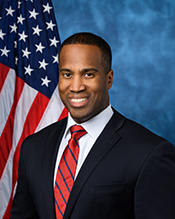
Rep. John James
Sponsored bills
Maddy summaryHR 3194, the LOCOMOTIVES Act, prevents states from setting their own emissions standards for locomotives used in interstate commerce. It amends the Clean Air Act to clarify that federal emissions rules exclusively apply to locomotives providing common carrier railroad transportation for hire (like commercial freight or passenger services across state lines), excluding these from state regulation. This directly affects railroads operating interstate services and state environmental agencies that previously could establish stricter local rules for such locomotives. The bill does not change the actual emissions requirements but shifts regulatory authority solely to the federal government for this specific category of locomotives.
Maddy summaryThis bill amends the Energy Policy and Conservation Act to require states to include assessments of threats to local electricity infrastructure (defined as systems under 100 kilovolts) in their energy security plans. It mandates states address physical threats (like weather, attacks, and supply chain risks) and cybersecurity vulnerabilities specifically affecting these local systems, which directly impact electric utilities and their equipment suppliers. The bill updates deadlines, extending the requirement for states to submit plans from 2025 to 2030. These changes aim to strengthen grid resilience by focusing state planning on vulnerabilities in lower-voltage distribution networks.
Maddy summaryThe Jewish American Security Act aims to combat antisemitism by strengthening protections for Jewish students, securing Jewish communities, and increasing transparency regarding online hate speech. For educational institutions receiving federal funds, the bill mandates the creation of specific coordinators to handle discrimination complaints, requires annual training on handling antisemitism, and establishes a new federal clearinghouse to share best practices for campus safety. To support physical security, the legislation expands grant funding for nonprofit organizations and directs the Attorney General to provide resources for law enforcement agencies protecting houses of worship. Additionally, the act requires major online platforms with over 50 million monthly users to submit detailed reports to the Federal Trade Commission on how they detect, remove, and moderate antisemitic content.
Maddy summaryThis resolution formally acknowledges Michigan's contributions to the United States as the nation celebrates the 250th anniversary of the Declaration of Independence. It recognizes that Michigan became the 26th state in 1837 and highlights the lasting impact its residents have had on the country's success. The measure encourages all citizens to reflect on the ideals of the Founding Fathers and the fight for independence. As a commemorative action, the bill does not create new laws or change existing policies but serves to honor historical events and state achievements.
Maddy summaryThe Veterans STAND Act requires the Department of Veterans Affairs to provide annual preventative health assessments to veterans with spinal cord injuries or disorders. These assessments cover risks for health complications, chronic pain management, dietary needs, prosthetic equipment, and access to assistive technologies like spinal cord neuromodulation devices. The VA must consult with medical specialists and device manufacturers when creating guidelines and submit yearly reports to Congress on veterans' use of these services and devices. This policy directly affects veterans with spinal cord injuries by ensuring regular, tailored health evaluations to improve long-term management and independence.
Maddy summaryThe Veterans to Advanced Manufacturing Plan Act directs the Secretary of Veterans Affairs to create a strategic action plan aimed at increasing veteran employment in advanced manufacturing industries. This plan requires the Department to identify specific barriers veterans face in hiring and training, as well as challenges employers encounter when recruiting and retaining these workers. The Secretary must also analyze regional needs, highlight the unique skills veterans bring to the field, and consult with industry leaders and educational institutions to develop effective solutions. Ultimately, the bill mandates the publication of a document outlining short- and long-term actions to improve veteran participation in this specific workforce sector.
Maddy summaryThis bill redesignates the existing National Parks and Public Land Legacy Restoration Fund as the America's Legacy Restoration Fund to address deferred maintenance on federal lands. It directs revenue from recreation fees and a portion of energy development income into the fund, which must be used primarily for repairing critical infrastructure like roads, trails, and buildings managed by agencies such as the National Park Service and the Forest Service. The legislation establishes strict rules requiring that most funds go toward non-transportation projects, mandates transparency through public dashboards tracking project status, and sets aside a small percentage for matching private donations. Additionally, the bill increases entrance fees for foreign visitors to ensure they contribute to the fund, while prohibiting the use of these specific funds for land acquisition or employee bonuses.
Maddy summaryThis bill requires the Department of Veterans Affairs to create a public list of healthcare providers who have completed annual, evidence-based training on preventing veteran suicide. To qualify for this preferred provider list, providers must either finish VA-sponsored training or demonstrate completion of substantially similar external training that meets military healthcare standards. The VA must review this list annually to ensure compliance and submit regular reports to Congress detailing participation numbers and the effectiveness of the program in influencing veteran care choices.
Maddy summaryThis resolution honors the contributions of automotive workers across the United States, with specific emphasis on those employed in Michigan's manufacturing sector. It formally designates September 2026 as "American Automotive Worker Recognition Month" to acknowledge the industry's role in supporting millions of jobs and national economic stability. The measure expresses support for policies that strengthen domestic production and supply chains while commending the skill and dedication of workers in plants, supply chains, and dealerships. As a symbolic gesture, the bill does not create new laws or funding but serves to recognize the historical and economic importance of the automotive workforce.