

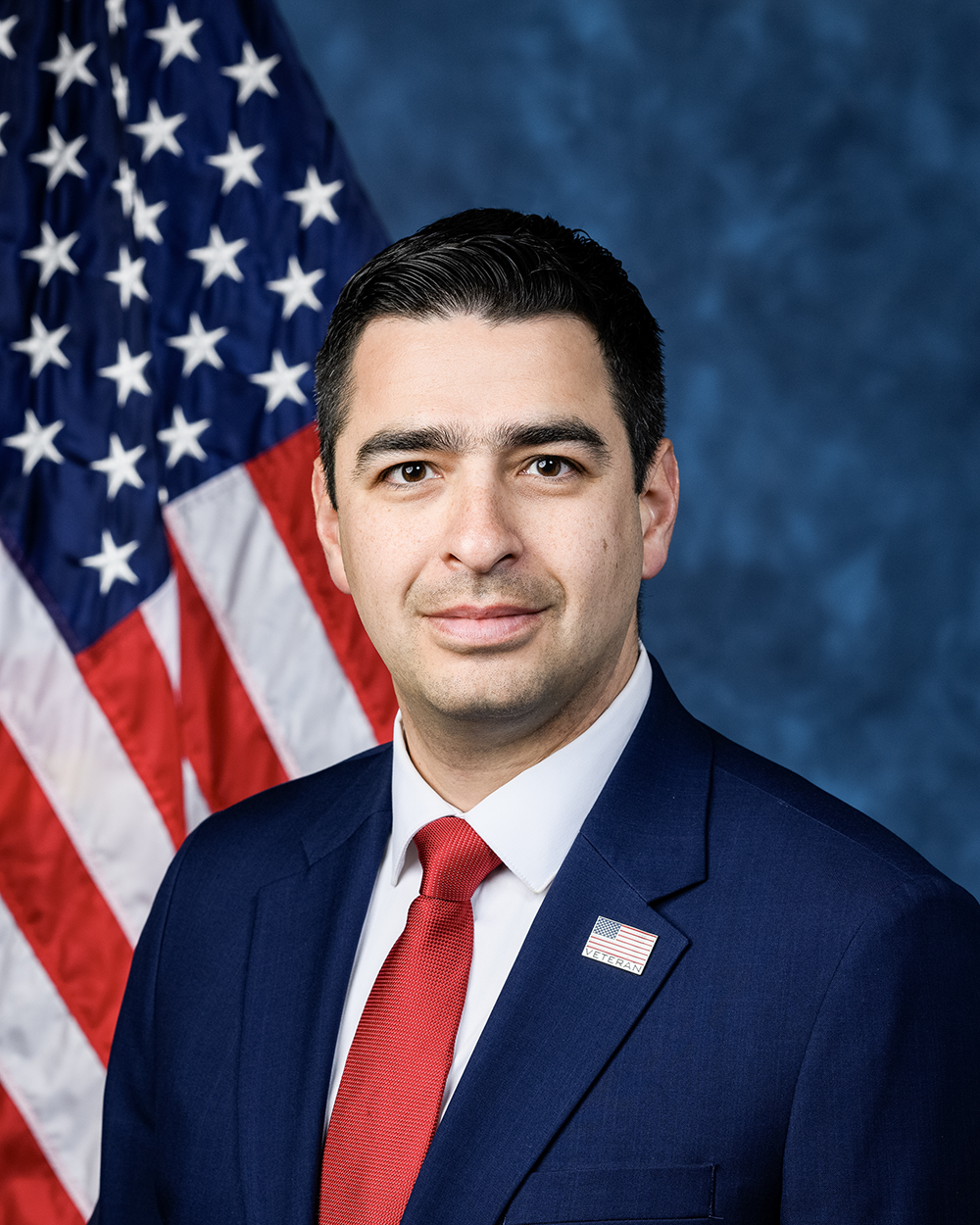
Maddy summaryThe Armed Forces Carry Rights Protection Act of 2026 modifies federal law to make it easier for military personnel to carry personal firearms on military bases when they are not on duty. Under this bill, commanders would face a legal presumption in favor of approving such requests, shifting the default stance toward allowing carry rather than restricting it. If a commander does deny a request, the law requires them to provide a written explanation that is specific to the individual and based on objective criteria. This change directly affects active-duty service members and the commanders who evaluate their requests for firearm authorization on installation.
Rep. Gabe Evans
Sponsored bills
Maddy summaryThe FAIR Labels Act of 2026 establishes new labeling requirements for cell-cultivated protein products and plant-based alternatives designed to look like meat or poultry. It mandates that labels for these products prominently display the terms "cell-cultivated" or "plant-based alternative protein product" and include clear disclaimers stating the items are not derived from live animals or birds. Additionally, the bill updates regulatory oversight by requiring the USDA and FDA to revise their agreement, assigning the USDA primary responsibility for regulating cell-cultivated meat and poultry while the FDA oversees production safety and facility compliance. The legislation also directs these agencies to create common standards of identity for these products within 180 days of enactment.
Maddy summaryThe FIRE Act amends the Clean Air Act to clarify when air quality monitoring data affected by wildfires or prescribed fire (a state-approved wildfire risk mitigation practice) can be excluded from compliance calculations with air quality standards. It expands the definition of "exceptional events" to include natural wildfires and human activities mimicking natural events (like prescribed burns), while excluding common weather patterns and pollution from noncompliance. The bill requires the EPA to conduct regional analysis for multistate wildfire events and create a public website tracking state petitions for data exclusion. This change primarily affects how states and the EPA handle air quality data during wildfire seasons and when using prescribed fire as a management tool.
Maddy summaryThis bill establishes an independent, nonpartisan Commission on Natural Disaster Risk Management and Insurance to study how the United States can better manage risks and financial costs from natural disasters. The Commission would consist of 26 members appointed by congressional leaders and committee chairs, including two state insurance commissioners, who would serve without pay and meet to conduct assessments. Its main duties include examining current disaster risks, insurance availability and affordability, building codes, and various risk-sharing mechanisms like catastrophe bonds and alternative insurance products. After two years, the Commission must submit a detailed report with findings and recommendations to relevant congressional committees before it is dissolved.
Maddy summaryThis bill, HR 8403, amends the Food and Nutrition Act of 2008 to modify the definition of eligible food items for the Supplemental Nutrition Assistance Program (SNAP). It directly affects SNAP recipients by expanding the types of food they can purchase with their benefits. The key provision explicitly adds "hot rotisserie chicken" to the list of items considered SNAP-eligible food. This change would allow individuals using SNAP to buy prepared hot rotisserie chickens from authorized retailers.
Maddy summaryHR 1681 creates an interagency strike force to speed up reviews of broadband infrastructure permits on federal lands. The strike force, made up of officials from Commerce, Agriculture, and Interior departments, will set goals and monitor agencies like the Bureau of Land Management and Forest Service to prioritize these reviews. It directly affects telecom companies seeking permits to install equipment and federal land agencies managing public lands and National Forest System areas. The bill aims to reduce delays in broadband deployment by making the approval process more efficient, without changing land use rules.
Maddy summaryThe CERTAIN Act aims to expedite federal permitting and environmental reviews for infrastructure projects by imposing strict timelines on federal agencies. It limits an agency's ability to revoke existing project authorizations unless specific conditions are met, such as a court order or immediate harm. The bill mandates deadlines for agencies to process applications, determine completeness, and conduct environmental reviews, with routine authorizations automatically approved if agencies miss their deadlines.
Maddy summaryThe ALERT Act (HR 7613) requires the Federal Aviation Administration to improve aviation safety through several key measures. It mandates the evaluation and potential implementation of enhanced collision avoidance systems (ACAS-Xa) for commercial aircraft and ACAS-Xr for rotorcraft, with specific deadlines for rulemaking and installation. The bill establishes committees to develop recommendations for safety technology requirements, requires safety risk assessments for air traffic controllers, and addresses operational procedures at high-traffic airports like Ronald Reagan Washington National. These provisions affect air carriers, air traffic controllers, rotorcraft operators, and Department of Defense aircraft operations. The act aims to enhance situational awareness and reduce midair collision risks through technology upgrades and improved safety protocols.
Maddy summaryThis resolution expresses support for the United Nations designation of 2026 as the International Year of Rangelands and Pastoralists. It recognizes the economic, social, and ecological importance of rangelands and the ranchers, farmers, and land managers who steward them. The measure encourages federal agencies, universities, and organizations to promote education, research, and outreach related to rangeland management during this designated year.
This resolution recognizes the importance of fully funding the Department of Homeland Security (DHS). The resolution also (1) cautions that Americans are at greater risk each day DHS is subject to a lapse in appropriations, and (2) expresses gratitude to DHS employees for their commitment to protect the United States.