

Maddy summaryHR 2261 amends the Homeland Security Act to strengthen privacy and civil rights protections in Department of Homeland Security (DHS) intelligence operations. It requires DHS to ensure intelligence information is shared, retained, and disseminated in ways that protect privacy rights and civil liberties, as determined by the Chief Privacy Officer and the Civil Rights Officer. The bill mandates training for intelligence personnel on privacy laws (like the Privacy Act of 1974) and requires coordination with the Under Secretary for Intelligence and Analysis to implement these standards. This directly affects DHS intelligence staff handling or disseminating information under the law. The changes apply to existing DHS intelligence processes without creating new programs or funding.
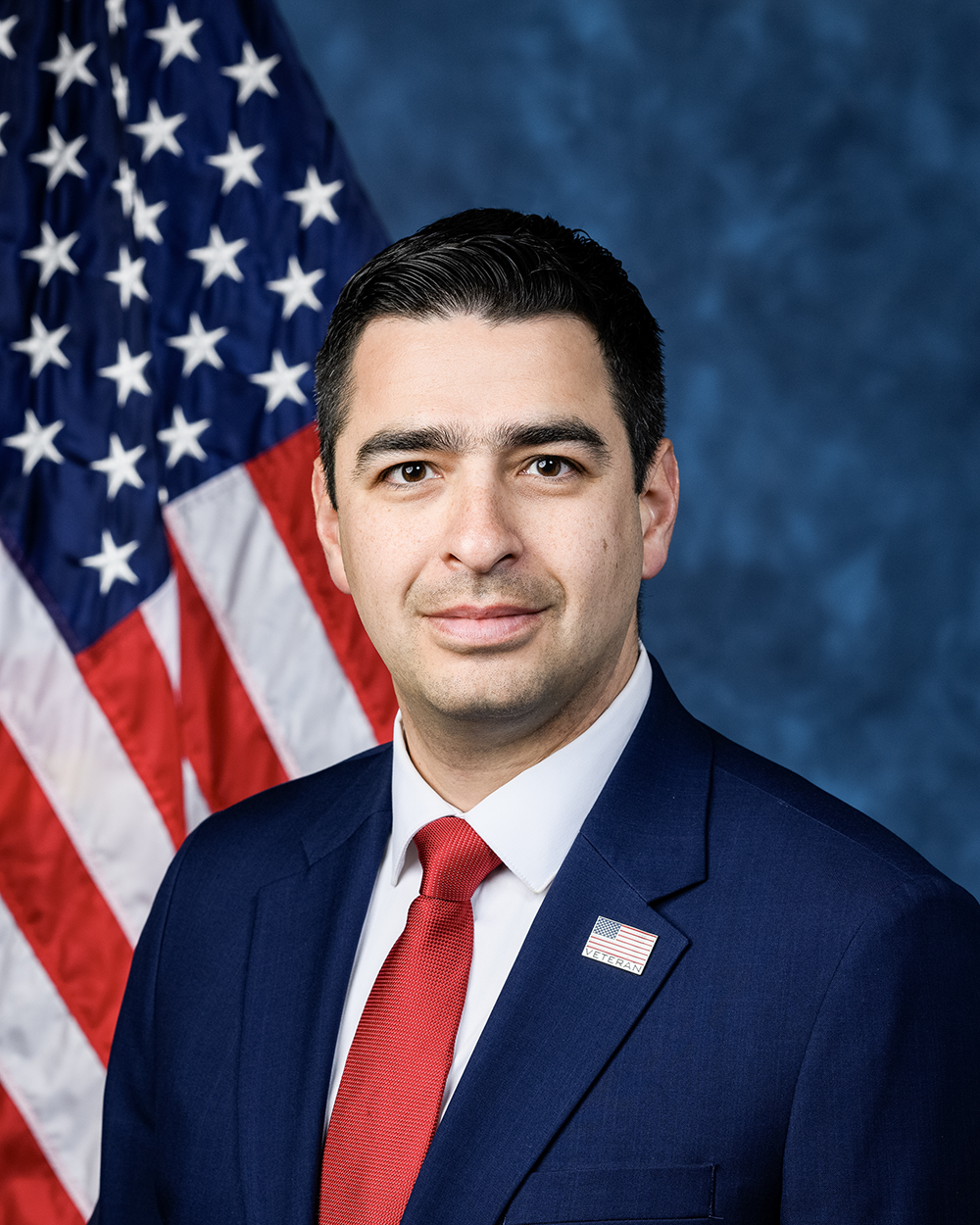
Rep. Gabe Evans
Sponsored bills
Maddy summaryHR 2212 establishes a new DHS Intelligence Rotational Assignment Program for intelligence analysts. The bill requires the DHS Secretary to create this program within one year, allowing analysts in DHS intelligence components and the Secret Service's Office of Strategic Intelligence and Information to rotate between positions. This aims to build broader expertise by enabling analysts to gain experience across different DHS intelligence roles. The program must follow coordination requirements already set for DHS's existing rotation program. It directly affects DHS intelligence analysts and Secret Service strategic intelligence personnel.
Maddy summaryThis bill requires all new passenger vehicles manufactured for sale in the U.S. to include AM radio as standard equipment (not an optional add-on) by 2027-2028, depending on manufacturer size. It mandates that AM radio receivers must be easily accessible to drivers and allows compliance through digital AM broadcast technology. During a transition period, manufacturers must clearly label vehicles without AM radio but cannot charge extra for this feature. The bill also mandates a GAO study on AM radio's role in emergency alerts and includes a 10-year sunset provision for the rule. It preempts state laws regarding AM radio access in vehicles.
Maddy summaryThis bill allows states and local jurisdictions to give hiring preference to veterans and people with disabilities when filling election worker positions. It also requires jurisdictions to not deny employment to nonresident military spouses or dependents (spouses/dependents of service members living away from the voting area) solely based on lack of local residency. The key provisions clarify that election workers can be chosen based on veteran status, disability status, or military family ties, without requiring local residence for military-connected applicants. This directly affects election workers, veterans, people with disabilities, and military families seeking these roles. The bill makes these hiring preferences explicit in election administration rules.
Maddy summaryThis bill adds Medicare coverage for multi-cancer early detection screening tests (blood or biological tests analyzing cell-free DNA) starting January 1, 2028. It directly affects Medicare beneficiaries aged 68 and older (starting in 2028, with the age limit increasing by 1 year annually), requiring tests to be FDA-cleared and deemed reasonable/necessary by the Secretary for early cancer detection across multiple organ sites. Payment will initially match current stool DNA test rates before 2031, then shift to a lower rate or new payment system after 2031, with limits preventing more than one test per year. The bill explicitly states it does not alter coverage for existing cancer screenings like breast, colorectal, or prostate cancer tests.
Maddy summaryThis bill would require all states to recognize valid concealed carry permits issued by other states, allowing permit holders to carry concealed handguns (excluding machine guns) in any state that either issues such permits or doesn't prohibit concealed carry. It directly affects law-abiding gun owners with valid permits from their home state, ensuring they can carry in states with similar permit systems or no prohibitions. Key provisions include treating valid permit documents as proof of legal carry (reducing officer stops), shifting the burden of proof to prosecutors if challenged, and allowing civil lawsuits for violations with attorney's fee awards. The bill does not override state laws restricting firearms on private property or government land, nor does it affect federal gun restrictions like those in section 922(q).
Maddy summaryHRES 772 is a symbolic House resolution expressing support for National Public Lands Day (observed September 27, 2025). It encourages U.S. citizens to visit public lands on this fee-free day, recognizing their cultural, spiritual, and economic value. The resolution cites existing statistics on public lands' economic contributions (e.g., $252 billion in economic output from Bureau of Land Management lands in 2024) but does not create new policies or alter fees. As a procedural resolution, it has no binding effect and serves only to promote awareness of existing public land access.
Maddy summaryHR 5573, the Combatting Fentanyl Poisonings Act of 2025, creates three federal grant programs to address fentanyl-related harms. It funds state/local law enforcement to target illegal social media sales of controlled substances (including fentanyl-laced counterfeit pills) and provides education for schools and parents about fentanyl risks. Nonprofits receive grants up to $50,000 to run public awareness campaigns, produce educational materials, and offer counseling for families affected by fentanyl deaths - though funds cannot cover most harm reduction supplies (only naloxone is permitted). The bill allocates $10 million for law enforcement programs, $3 million for awareness grants, and $2 million for officer safety equipment like fentanyl test strips and naloxone training.
Maddy summaryHRES 719 is a House resolution honoring Charles "Charlie" James Kirk, the founder of Turning Point USA who was assassinated on September 10, 2025. The resolution condemns his assassination and all political violence, extends condolences to his family, and calls on Americans to reject violence while promoting civil discourse. It specifically recognizes Kirk's legacy as a defender of constitutional principles and his role in inspiring youth through free speech and faith-based civic engagement. As a commemorative resolution, it does not enact policy changes but formally expresses the House's stance on honoring his life and legacy.
Maddy summaryHR 5521, the Peace Corps Volunteers Congressional Gold Medal Act of 2025, authorizes a single Congressional Gold Medal to be awarded to the Peace Corps organization. The medal recognizes all volunteers who served between August 1961 and December 2026, commemorating their 65-year contributions to global development and international relations. The award, to be presented by September 22, 2026, will be displayed at Peace Corps headquarters and other relevant locations. This symbolic honor acknowledges volunteers' work in sectors like education, health, and community development across 140+ countries.