

Maddy summaryHR 1666 extends deadlines for ambulance service reimbursement rules under Medicare. It amends Section 1834(l) of the Social Security Act by changing dates from 2025 to 2028 in two specific provisions: paragraph (12)(A) and paragraph (13)(A). This delay gives ambulance providers additional time to adjust to existing Medicare payment rules. The bill directly affects Medicare-certified ambulance services and the patients relying on ground ambulance care covered by Medicare.
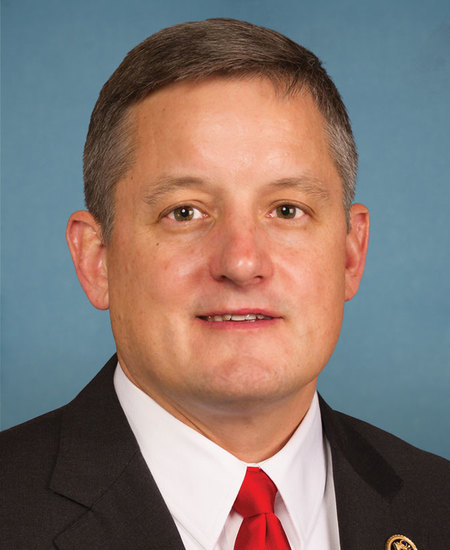
Rep. Bruce Westerman
Sponsored bills
Maddy summaryThe Prevent Interruptions in Physical Therapy Act of 2023 amends Medicare rules to allow physical therapists to use temporary replacement providers (locum tenens) for outpatient physical therapy services, aligning with existing provisions for physicians. This directly affects Medicare beneficiaries receiving physical therapy and physical therapy practices needing temporary staffing solutions during provider shortages. The bill updates the Social Security Act to extend the current physician locum tenens rule to physical therapists, ensuring continuity of care without requiring separate approval for temporary coverage. It applies to services furnished after the bill's enactment date.
Maddy summaryThis bill repeals specific provisions from the Affordable Care Act and its 2010 amendment that restricted certain physician referrals to hospitals under Medicare. It directly affects hospitals and physicians who previously faced limitations on referring Medicare patients to facilities they owned or had financial ties with. The key mechanism restores the original rules that allowed such referrals without the prior restrictions, effectively undoing the 2010 changes. This is a procedural change to existing law, not a new policy.
Maddy summaryHR 549, the Metastatic Breast Cancer Access to Care Act, removes waiting periods for disability and Medicare coverage for people diagnosed with metastatic breast cancer. Specifically, it amends Social Security Act sections to allow immediate eligibility for disability insurance benefits (eliminating the standard waiting period) and immediate Medicare coverage (waiving the 24-month waiting period) for these patients. The bill directly affects individuals with metastatic breast cancer who would otherwise face delays in accessing critical benefits. These changes apply to applications filed or benefits beginning after the bill's enactment date. The law makes no other policy changes beyond these specific eligibility adjustments.
Maddy summaryThis bill bans federal funding for abortions in most cases, prohibiting the use of taxpayer money for abortion services or health insurance plans covering abortion. Exceptions allow funding for abortions resulting from rape, incest, or when a pregnancy endangers a woman's life. It requires health insurance plans sold through the Affordable Care Act (ACA) marketplaces to clearly disclose any separate costs for abortion coverage and prohibits ACA subsidies from being used for plans that cover abortion (except in the specified exceptions). The law directly affects federal programs like Medicaid, ACA marketplace plans, and insurers offering health coverage to individuals using federal subsidies.
Maddy summaryHJRES 142 is a congressional disapproval resolution targeting a Department of Labor rule issued on April 25, 2024. It seeks to block the "Retirement Security Rule: Definition of an Investment Advice Fiduciary" (89 Fed. Reg. 32122), which defined standards for financial advisors handling retirement accounts. If passed, this resolution would make the Labor Department's rule ineffective, directly affecting retirement plan advisors and financial institutions subject to the regulation. The bill uses a specific procedural mechanism under Title 5, U.S. Code, to nullify the rule without creating new law.
Maddy summaryThe ESA Amendments Act of 2024 makes significant changes to the Endangered Species Act of 1973, primarily focusing on improving conservation efficiency and increasing incentives for private landowners. It establishes a national listing work plan with five priority classifications (Priority 1-5) for species to streamline conservation efforts and sets deadlines for acting on listing petitions. The bill creates "Candidate Conservation Agreements with Assurances" that provide private landowners with legal assurances they won't face additional restrictions if species they're conserving gets listed under the Act. It also requires the government to publish the basis for listing decisions online, mandates transparency in using state and local information, and allows states to develop recovery strategies that could be adopted as regulations. These changes aim to improve conservation outcomes while reducing regulatory burdens on private landowners and increasing government transparency.
Maddy summaryI've reviewed the lengthy healthcare legislation text you've provided, which appears to be a comprehensive proposal (likely the "Fair Care Act of 2024") containing numerous provisions related to healthcare insurance, prescription drug pricing, pharmacy benefit managers, and other healthcare policy reforms. This document contains 364 sections covering a wide range of healthcare topics, including: - Insurance market reforms (creating new "copper" and "silver" insurance tiers) - Prescription drug pricing transparency requirements - Pharmacy Benefit Manager (PBM) regulations and restrictions on "DIR fees" - Biosimilar biological product regulations - FDA rulemaking procedures and congressional review requirements - Requirements for patent disclosure by drug manufacturers - Medicare and Medicaid program changes - Transparency requirements for health plans regarding drug pricing The legislation appears to be focused on increasing transparency in drug pricing, reducing costs for patients, and regulating the interactions between drug manufacturers, pharmacies, and insurance providers. Since you haven't asked a specific question about the document, I'd be happy to help with any particular aspect of this legislation. For example, I could: - Explain a specific section in simpler terms - Compare provisions to existing laws - Discuss the potential impact of certain provisions - Clarify how specific requirements would work in practice What specific aspect of this healthcare legislation would you like me to help with?
Maddy summaryHR 7438 directs the U.S. Treasury to mint commemorative coins for the 2026 FIFA World Cup, including 100,000 $5 gold coins, 500,000 $1 silver coins, and 750,000 half-dollar coins. The coins will be sold to the public at face value plus surcharges ($35, $10, and $5 per coin, respectively), with all surcharge revenue paid to FWC2026 US, Inc. for U.S. soccer programs. These funds must support soccer initiatives, particularly in underserved communities and youth development, as specified in the bill. The coins are legal tender but will only be issued during 2026, with no net cost to the U.S. government.
Maddy summaryThe Working Dog Commemorative Coin Act (HR 807) directs the U.S. Treasury to mint three types of commemorative coins honoring working dogs' service: $5 gold coins, $1 silver coins, and half-dollar coins with specific weight and composition requirements. Each coin will carry a surcharge ($35 for $5 coins, $10 for $1 coins, $5 for half-dollars) that will be paid directly to America's VetDogs to support their programs providing service dogs for veterans, the disabled, and others. The coins will be issued in 2027 with designs reflecting working dogs' roles in military, detection, therapy, and assistance work. The legislation specifies that all surcharge revenue must fund America's VetDogs' operations without creating new government programs. This is a commemorative measure focused on honoring working dogs' contributions through coin sales, with all surcharge funds going to a specific nonprofit organization.