

Amends the Limitations Article of the Code of Civil Procedure. Provides that every civil claim or cause of action brought against any party alleging intentional or negligent acts or omissions by a person for physical, psychological, or other injury or condition suffered as a result of conduct which would constitute a sex offense under the Criminal Code of 2012 committed against a person who was 18 years of age or older, or incest committed against such person who was 18 years of age or older, which is barred as of the effective date of the amendatory Act because the applicable period of limitation has expired, is revived, and action thereon may be commenced not earlier than 6 months after, and not later than 18 months after the effective date of the amendatory Act.
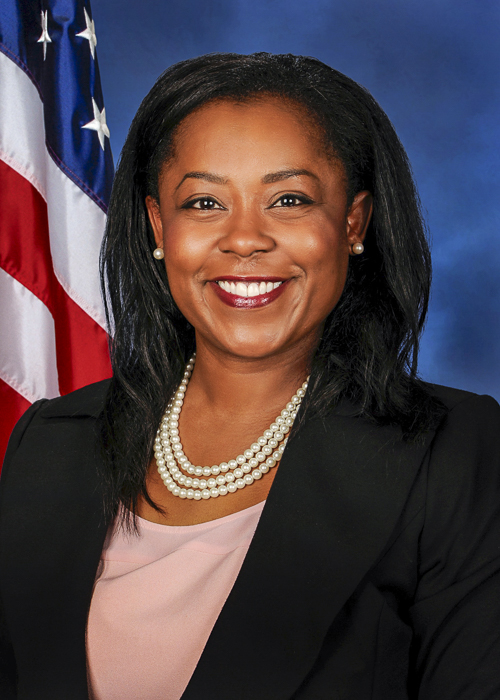
Rep. Sonya Harper
Sponsored bills
Amends the Illinois Food, Drug and Cosmetic Act. Provides that, notwithstanding any other provision of law, a food, food ingredient, dietary supplement, cosmetic, or other consumer product shall not be considered adulterated solely because it contains hemp, hemp-derived cannabinoids, including, but not limited to, Delta-9 tetrahydrocannabinol (THC), Delta-8 THC, tetrahydrocannabinolic acid (THCa), or any hemp product, provided that the hemp used in the product complies with the definition of "hemp" as specified in federal law. Amends the Industrial Hemp Act. Conforms several provisions in the Act to federal regulations under the Domestic Hemp Production Program, including (i) definitions, (ii) requirements for the application for a license to cultivate hemp, and (iii) rulemaking requirements for the Department of Agriculture. Provides that the Department of Agriculture shall adopt rules for the distribution and retail sale of hemp products under conditions in specified provisions of the Act. Provides that hemp products that contain cannabinoids, that are intended for human consumption, and that are designated for retail sale within Illinois (i) must meet specified requirements, including federal requirements and rules adopted by the Department of Public Health, and (ii) must be distributed or sold in a container that includes specified information. Provides that hemp products that are intended for inhalation or ingestion and contain detectable amounts of hemp cannabinoids may not be sold in this State to a person who is under 21 years of age. Provides that hemp products distributed or sold in violation of specified provisions in the Act shall be considered adulterated or misbranded pursuant to the Illinois Food, Drug and Cosmetic Act and all other applicable State laws. Defines terms. Makes technical changes.
Recognizes the brave men from Galesburg who joined the 54th Massachusetts Volunteer Infantry Regiment to help bring victory and, ultimately, the destruction of slavery throughout the country.
Declares September 2024 as PBC Awareness Month and September 8, 2024 as PBC Day in the State of Illinois in order to raise awareness of primary biliary cholangitis (PBC) and provide an opportunity for patient organizations to help connect individuals and families who struggle with PBC, bring attention to the need for research and funding to support the discovery and development of therapies designed to treat and potentially cure PBC, and support the continued work of the Friends of the PBC Foundation.
Amends the Substance Use Disorder Act. Requires the Department of Human Services to (i) establish a new intervention license category entitled "OPS Harm Reduction Services", (ii) establish standards for entities to become licensed under the OPS Harm Reduction Services category, and (iii) create a licensing application process. Provides that, notwithstanding any other law, ordinance, or regulation, any entity licensed as an OPS Harm Reduction Services provider may operate an overdose prevention site as authorized by the Department. Requires the Department to make a determination as to whether to approve an entity's application for an OPS Harm Reduction Services license within 4 weeks after the date upon which the entity submitted its application to the Department. Requires the Department to help educate local communities and public and private entities about overdose prevention sites and the evidence regarding the benefits of overdose prevention sites. Requires entities approved to operate an overdose prevention site to, at a minimum, provide a hygienic space where participants may consume pre-obtained substances, maintain a supply of naloxone and oxygen on-site, employ staff trained to administer first aid to participants who are experiencing an overdose, provide secure hypodermic needle and syringe disposal services, encourage drug checking or the use of fentanyl test strips, and other services. Requires licensed entities to submit a report to the Department on the number of participants who have received or are receiving services at the overdose prevention site and other matters. Grants immunity from civil or criminal liability to specified persons. Preempts home rule powers.
Creates the Health Care Availability and Access Board Act. Establishes the Health Care Availability and Access Board to protect State residents, State and local governments, commercial health plans, health care providers, pharmacies licensed in the State, and other stakeholders within the health care system from the high costs of prescription drug products. Contains provisions concerning Board membership and terms; staff for the Board; Board meetings; circumstances under which Board members must recuse themselves; and other matters. Provides that the Board shall perform the following actions in open session: (i) deliberations on whether to subject a prescription drug product to a cost review; and (ii) any vote on whether to impose an upper payment limit on purchases, payments, and payor reimbursements of prescription drug products in the State. Permits the Board to adopt rules to implement the Act and to enter into a contract with a qualified, independent third party for any service necessary to carry out the powers and duties of the Board. Creates the Health Care Availability and Access Stakeholder Council to provide stakeholder input to assist the Board in making decisions as required by the Act. Contains provisions concerning Council membership, member terms, and other matters. Provides that the Board shall adopt the federal Medicare Maximum Fair Price as the upper payment limit for a prescription drug product intended for use by individuals in the State. Provides that the Attorney General shall have authority to enforce the Act and may pursue any available remedy under State law when enforcing the Act. Effective 180 days after becoming law.
Amends the Educator Licensure Article of the School Code. Provides that the operating procedures of the State Educator Preparation and Licensure Board may provide for the inclusion of nonvoting, ex officio members on the Board. With respect to a for-profit or not-for-profit entity being recognized as an educator preparation institution, provides that any for-profit or not-for-profit entity with a presence in this State must also be approved by the Board of Higher Education or the Illinois Community College Board (instead of providing that any for-profit or not-for-profit entity must also be approved by the Board of Higher Education).
Amends the Open Space Lands Acquisition and Development Act. Provides that, notwithstanding any other provision of law, moneys in the Open Space Lands Acquisition and Development Fund may not be appropriated, assigned, or transferred to another State fund. Effective immediately.
Maddy summaryHB 1855, titled the Illinois Forestry Fix, makes a technical correction to the Illinois Forestry Development Act by updating the short title of a specific section. This procedural change does not alter the existing laws or programs regarding forest management cost-sharing, land eligibility, or reporting requirements that are currently in effect. The bill was passed by both houses of the Illinois General Assembly and signed into law by the Governor on August 9, 2024.
Maddy summaryThis bill, known as HEALTH-TECH, establishes a framework for implementing universal mental health screenings for students in Illinois public schools from kindergarten through grade 12. It requires the State Board of Education to submit a report with implementation recommendations by December 2023 and to release a strategy for measuring district readiness by October 2024, with a final plan due by April 2025. Additionally, the legislation repeals the previous Wellness Checks in Schools Program Act and strengthens protections for Medicaid enrollees by ensuring managed care organizations cover emergency services without requiring prior approval and by setting specific rules for post-stabilization care payments.