

Amends the State Treasurer Act. Makes changes concerning the Illinois Higher Education Savings Program. Provides that the State Treasurer may make supplementary deposits to children in financially insecure households if sufficient funds are available. Provides that the State Treasurer shall annually prepare a report that includes a summary of the Program operations for the preceding fiscal year, including, among other items, the rate of seed deposits claimed, and, to the extent data is reported and available, the racial, ethnic, socioeconomic, and geographic data of beneficiaries and of children in financially insecure households who may receive automatic bonus deposits. Provides that such other information that is relevant to make a full disclosure of the operations of the Program and Fund may also be reported. Makes conforming changes.
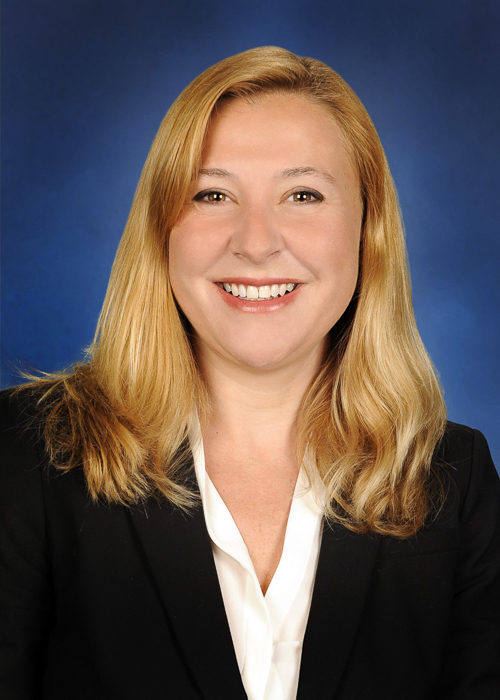
Rep. Anna Moeller
Sponsored bills
Amends the Illinois Vehicle Code. Provides that the Secretary of State shall conduct a study on the feasibility of allowing the use of digital electronic license plates on passenger and commercial vehicles registered in the State. Provides that the report shall include information on the following areas: (1) jurisdictions currently offering digital electronic license plates for passenger vehicles and their creation and implementation comments; (2) jurisdictions currently offering digital electronic license plates for commercial vehicles; (3) cost of implementation and issuance in Illinois for both passenger and commercial vehicles; and (4) any benefits or deterrents to electronic vehicle registration. Provides that the report shall also examine and provide jurisdictional information concerning: (i) interaction with law enforcement and automated license plate readers; (ii) oversight of messaging on digital electronic license plates; and (iii) any other information the Secretary deems pertinent to the report. Provides that the Secretary of State shall update the report issued in 2016, pursuant to Senate Joint Resolution 11 of the 99th General Assembly, regarding the issuance of an electronic driver's license to eligible drivers. Provides that the report shall include, but not be limited to: (1) advancements in technology since the initial report; (2) production information on other states offering an electronic driver's license to qualified drivers in their jurisdictions; and (3) cost and timeline to implement an electronic driver's license program in Illinois. Requires that the reports be filed with the General Assembly by July 1, 2022. Repeals the provisions on January 1, 2023. Effective immediately. Senate Floor Amendment No. 2 Deletes reference to: 625 ILCS 5/2-130 new Adds reference to: 5 ILCS 140/7.5 605 ILCS 140/3 new 605 ILCS 140/5 605 ILCS 140/90 Replaces everything after the enacting clause. Amends the Freedom of Information Act. Provides that until July 1, 2023, images from cameras are exempt from disclosure. Amends the Expressway Camera Act. Provides that the program conducted by the Illinois State Police, the Illinois Department of Transportation, and the Illinois State Toll Highway Authority to increase the amount of cameras along the expressways in Cook County shall also increase cameras along Jean-Baptiste Pointe DuSable Lake Shore Drive. Requires details about the program objectives, counties where the program is operational, and policies under which the program operates to be made publicly available and posted online within 90 days of the effective date of the amendatory Act. Provides that a law enforcement agency may use images from an expressway camera to investigate vehicular hijacking, aggravated vehicular hijacking, terrorism, motor vehicle theft, or any forcible felony, including, but not limited to, offenses involving the use of a firearm (instead of only an offense involving the use of a firearm) and to detect highway conditions and facilitate highway safety and incident management. Adds provisions concerning retention of images from cameras, reporting requirements, and prosecutorial jurisdiction. Relocates the definition of "expressway" and defines terms. Changes the Act repeal date to July 1, 2025 (instead of July 1, 2023). Makes other changes. Effective immediately.
Amends the Illinois Public Aid Code. Requires the Department of Healthcare and Family Services to waive estate recovery under specified provisions of the Code where recovery would not be cost-effective, would work an undue hardship, or for any other just reason. Provides that when an estate is not valued at a minimum of $25,000, it is not cost-effective to pursue recovery. Requires the Department to pursue a State Plan amendment to establish a cost-effectiveness threshold of $25,000. Sets forth the circumstances under which an estate may apply for an undue hardship waiver. Requires the Department to make information about estate recovery and hardship waivers easily accessible. Requires the Department to maintain on its website information on how to request a hardship waiver in English, Spanish, and the next 4 most commonly used languages. In a provision concerning eligibility verification for medical assistance, requires the Department to include seniors and persons with disabilities in ex parte renewals. Requires the Department to use its asset verification system, accept the data provided about an individual's assets, and automatically renew the individual's coverage for medical assistance. Requires the Department to pursue a State Plan amendment, if required, by July 1, 2022 to implement ex parte renewals. In order to achieve efficiencies in the Medicare Savings Program's enrollment process, requires the Department to investigate how to align the eligibility criteria under the Medicare Savings Program with the criteria used by the Medicare Part D Low-Income Subsidy (LIS) program. Requires the Department to issue a report, by July 1, 2022, with its recommendations on alignment and outreach. Provides that by October 31, 2022, the Department shall change the Medicare Savings Program's eligibility criteria to facilitate the use of LIS leads data to automate or streamline enrollment into Medicare Savings Program benefits. Repeals several provisions concerning the State's authority to place a lien on a recipient's real property interests in order to recover payments made by the State on the recipient's behalf under the Aid to the Aged, Blind or Disabled program or the Medical Assistance program. Effective immediately. House Committee Amendment No. 1 Adds reference to: 305 ILCS 5/5-1.6 new Replaces everything after the enacting clause. Reinserts the provisions of the introduced bill with the following changes: Requires the Department of Healthcare and Family Services to seek a State Plan amendment or any federal waivers necessary to implement 12 months of continuous eligibility for adults participating in the medical assistance program. Requires the Department to secure federal financial participation in accordance with the amendatory Act for expenditures made in State Fiscal Year 2023 and every State fiscal year thereafter. Requires the Department to seek a State Plan amendment or any federal waivers or approvals necessary to implement an ex parte redetermination process for persons experiencing homelessness or who are without income at the time of application or redetermination. Requires the Department and the Department of Human Services to make necessary technical and rule changes to implement the ex parte redetermination process. Requires the Department to report on a monthly basis on its website the percentage of medical assistance recipients whose eligibility is renewed through the ex parte redetermination process. Requires the Department to share the data with the Medicaid Advisory Committee and the Medicaid Advisory Committee Public Education Subcommittee. Effective immediately. House Floor Amendment No. 3 Replaces everything after the enacting clause. Amends the Illinois Public Aid Code. Provides that by July 1, 2022, the Department of Healthcare and Family Services shall seek a State Plan amendment or any federal waivers necessary to make changes to the medical assistance program. Requires the Department to apply for federal approval to implement 12 months of continuous eligibility for adults participating in the medical assistance program. Requires the Department to secure federal financial participation for expenditures made by the Department in State Fiscal Year 2023 and every State fiscal year thereafter. Provides that by July 1, 2022, the Department shall seek a State Plan amendment or any federal waivers or approvals necessary to make changes to the medical assistance redetermination process for people without any income at the time of redetermination. Provides that within 60 days after federal approval or guidance, the Department and the Department of Human Services shall make necessary technical and rule changes to implement changes to the redetermination process. Requires the Department to publish on its website monthly reports on the percentage of medical assistance recipients whose eligibility is renewed through the ex parte redetermination process. Requires the Department to waive any claim against the first $25,000 of any estate to prevent substantial and unreasonable hardship. Requires the Department to make information about estate recovery and hardship waivers easily accessible. Provides that it is the determination of the General Assembly that the Department must (i) include seniors and persons with disabilities in ex parte renewals and (ii) use its asset verification system to assist in the determination of whether an individual's coverage can be renewed using the ex parte process. Requires the Department to pursue a State Plan amendment by July 1, 2022, if necessary. Repeals several provisions concerning the State's authority to place a lien on a recipient's real property interests in order to recover payments made by the State on the recipient's behalf under the Aid to the Aged, Blind or Disabled program or the Medical Assistance program. Effective immediately. Senate Floor Amendment No. 1 Adds reference to: New Act 305 ILCS 5/14-12 305 ILCS 5/5-18.5 305 ILCS 5/5-4 from Ch. 23, par. 5-4 305 ILCS 5/5-5.05d new 305 ILCS 5/5-5.05e new 305 ILCS 5/5-5.05f new 305 ILCS 5/5-5.05g new 305 ILCS 5/5-5.06c new 305 ILCS 5/5-5.06d new 305 ILCS 5/5-5.06e new 305 ILCS 5/5-5 from Ch. 23, par. 5-5 20 ILCS 2310/2310-434 new 210 ILCS 9/77 new 210 ILCS 45/3-613 new 210 ILCS 46/3-613 new 210 ILCS 47/3-613 new 305 ILCS 5/5-5.01b new 5 ILCS 100/5-45.21 new 5 ILCS 100/5-45.22 new 305 ILCS 5/5-1.6 new 305 ILCS 5/5-13.1 new 305 ILCS 5/11-5.1 305 ILCS 5/11-5.5 new 305 ILCS 5/3-10 rep. 305 ILCS 5/3-10.1 rep. 305 ILCS 5/3-10.2 rep. 305 ILCS 5/3-10.3 rep. 305 ILCS 5/3-10.4 rep. 305 ILCS 5/3-10.5 rep. 305 ILCS 5/3-10.6 rep. 305 ILCS 5/3-10.7 rep. 305 ILCS 5/3-10.8 rep. 305 ILCS 5/3-10.9 rep. 305 ILCS 5/3-10.10 rep. 305 ILCS 5/5-13.5 rep. 305 ILCS 5/5-5.07 305 ILCS 5/5-4.2 305 ILCS 5/5-30d new Replaces everything after the enacting clause. Reinserts the provisions of the engrossed bill with the following changes: Creates the Wellness Checks in Schools Program Act. Provides that subject to appropriation, the Department of Healthcare and Family Services shall establish the Wellness Checks in Schools Collaborative for school districts that wish to implement wellness checks to identify students in grades 7 through 12 who are at risk of mental health conditions, including depression or other mental health issues. Requires the Department to work with school districts that have a high percentage of students enrolled in Medicaid and a high number of referrals to the State's Crisis and Referral Entry Services (CARES) hotline. Provides that subject to appropriation, the Department shall establish and implement a program to provide wellness checks in public schools in accordance with the Act. Amends the Illinois Public Aid Code. In the Hospital Services Trust Fund Article, provides that beginning with dates of service on and after January 1, 2023, any general acute care hospital with more than 500 outpatient psychiatric Medicaid services to persons under 19 years of age in any calendar year shall be paid the outpatient add-on payment of no less than $113. In the Medical Assistance Article, provides that beginning January 1, 2023, licensed certified professional midwife services shall be covered under the medical assistance program, subject to appropriation, for persons who are otherwise eligible for medical assistance. Requires the Department of Healthcare and Family Services to consult with midwives on reimbursement rates for midwifery services. Provides that subject to federal approval, beginning January 1, 2023, the community spouse resource allowance shall be established and maintained at a base amount of $109,560 plus an additional amount of $2,784 added to the base amount each year for a period of 10 years commencing with calendar year 2024 through calendar year 2034. Requires yearly increases up to the maximum resource allowance permitted under the Social Security Act. Provides that subject to federal approval, beginning January 1, 2034 the community spouse resource allowance shall be established and maintained at the maximum amount permitted under the Social Security Act, or an amount set after a fair hearing. Provides that subject to federal approval, beginning January 1, 2023 the monthly maintenance allowance for the community spouse shall be established and maintained at the maximum amount higher of $2,739 per month or the minimum level permitted under the Social Security Act. Contains provisions requiring the Department of Human Services to develop a program designed to provide behavioral health providers with academic detailing and clinical consultation over the phone on how to best care for patients with severe mental illness or a developmental disability. Contains provisions requiring the Department of Human Services to track the availability of beds for withdrawal management services that are licensed by the Department and are available to medical assistance beneficiaries. Contains provisions concerning coverage for peer recovery support services under the medical assistance program; the alignment of substance use prevention and recovery and mental health policy; increased rates for prenatal and postpartum care; the external cephalic version rate; increased funding for dental services; and coverage for acupuncture services under the medical assistance program. Amends the Department of Public Health Powers and Duties Law. Requires the Department of Public Health to establish or approve a Certified Nursing Assistant Intern Program to address the increasing need for trained health care workers and provide additional pathways for individuals to become certified nursing assistants. Amends the Assisted Living and Shared Housing Act, the Nursing Home Care Act, the MC/DD Act, and the ID/DD Community Care Act to establish certain employment requirements for certified nursing assistant interns and establishments that employ certified nursing assistant interns. Amends the Medical Assistance Article of the Illinois Public Aid Code. Requires the Department of Healthcare and Family Services to establish or approve a Certified Nursing Assistant Intern Program to address the increasing need for trained health care workers for the supporting living facilities program. Sets forth classroom and on-the-job training requirements for certified nursing assistant interns. Provides that the Certified Nursing Assistant Intern Program shall end upon the termination of the Secretary of Health and Human Services' public health emergency declaration for COVID-19 or 3 years after the date that the Program becomes operational, whichever occurs later. Grants the Departments of Public Health and Healthcare and Family Services emergency rulemaking authority. Amends the Medical Assistance Article of the Illinois Public Aid Code. Provides that by July 1, 2022, the Department of Healthcare and Family Services shall seek a State Plan amendment or any federal waivers or approvals necessary to make changes to the medical assistance redetermination process by allowing all people without income to be considered for ex parte redetermination. Requires the Department of Healthcare and Family Services to waive estate recovery under the medical assistance program where recovery would not be cost-effective, would work an undue hardship, or for any other just reason. Requires the Department of Human Services to compile on a monthly basis data on the percentage of medical assistance beneficiaries whose eligibility is renewed through ex parte redeterminations. Requires the Department of Healthcare and Family Services to seek a State Plan amendment by July 1, 2022 that permits the use of its asset verification system to assist in determining whether the ex parte process can be used to renew the medical assistance coverage of a senior or a person with a disability. Contains provisions concerning streamlining enrollment into the Medicare Savings Program. Repeals provisions under the Aid to the Aged, Blind or Disabled Article of the Illinois Public Aid Code concerning liens on recipients real property interests. In a provision requiring the Department of Healthcare and Family Services to pay the DCFS per diem rate for inpatient psychiatric stays at free-standing psychiatric hospitals or hospitals with a pediatric or adolescent inpatient psychiatric unit, removes language making the provision operative only through July 1, 2023. Amends the Medical Assistance Article of the Illinois Public Aid Code. In provisions concerning ground ambulance services, provides that, within 90 days after the effective date of the amendatory Act, the Department of Healthcare and Family Services shall file rules to allow for the approval of ground ambulance services when the sole purpose of the transport is for the navigation of stairs or the assisting or lifting of a patient at a medical facility or during a medical appointment in instances where the Department or a contracted Medicaid managed care organization or their transportation broker is unable to secure transportation through any other transportation provider. Provides that beginning no later than January 1, 2023 and subject to federal approval, the amount allocated to fund rates for medi-car, service car, and attendant services provided to adults and children under the medical assistance program shall be increased by an approximate amount of $24,000,000. Effective immediately. Senate Floor Amendment No. 2 Adds reference to: New Act 305 ILCS 5/14-12 305 ILCS 5/5-18.5 305 ILCS 5/5-4 from Ch. 23, par. 5-4 305 ILCS 5/5-5.05d new 305 ILCS 5/5-5.05e new 305 ILCS 5/5-5.05f new 305 ILCS 5/5-5.05g new 305 ILCS 5/5-5.06c new 305 ILCS 5/5-5.06d new 305 ILCS 5/5-5.06e new 305 ILCS 5/5-5 from Ch. 23, par. 5-5 20 ILCS 2310/2310-434 new 210 ILCS 9/77 new 210 ILCS 45/3-613 new 210 ILCS 46/3-613 new 210 ILCS 47/3-613 new 305 ILCS 5/5-5.01b new 5 ILCS 100/5-45.21 new 5 ILCS 100/5-45.22 new 305 ILCS 5/5-1.6 new 305 ILCS 5/5-13.1 new 305 ILCS 5/11-5.1 305 ILCS 5/11-5.5 new 305 ILCS 5/3-10 rep. 305 ILCS 5/3-10.1 rep. 305 ILCS 5/3-10.2 rep. 305 ILCS 5/3-10.3 rep. 305 ILCS 5/3-10.4 rep. 305 ILCS 5/3-10.5 rep. 305 ILCS 5/3-10.6 rep. 305 ILCS 5/3-10.7 rep. 305 ILCS 5/3-10.8 rep. 305 ILCS 5/3-10.9 rep. 305 ILCS 5/3-10.10 rep. 305 ILCS 5/5-13.5 rep. 305 ILCS 5/5-5.07 305 ILCS 5/5-4.2 305 ILCS 5/5-30d new 5 ILCS 100/5-45.23 new 305 ILCS 5/12-4.35 Replaces everything after the enacting clause. Reinserts the provisions of the engrossed bill with the following changes: Creates the Wellness Checks in Schools Program Act. Provides that subject to appropriation, the Department of Healthcare and Family Services shall establish the Wellness Checks in Schools Collaborative for school districts that wish to implement wellness checks to identify students in grades 7 through 12 who are at risk of mental health conditions, including depression or other mental health issues. Requires the Department to work with school districts that have a high percentage of students enrolled in Medicaid and a high number of referrals to the State's Crisis and Referral Entry Services (CARES) hotline. Provides that subject to appropriation, the Department shall establish and implement a program to provide wellness checks in public schools in accordance with the Act. Amends the Illinois Public Aid Code. In the Hospital Services Trust Fund Article, provides that beginning with dates of service on and after January 1, 2023, any general acute care hospital with more than 500 outpatient psychiatric Medicaid services to persons under 19 years of age in any calendar year shall be paid the outpatient add-on payment of no less than $113. In the Medical Assistance Article, provides that beginning January 1, 2023, licensed certified professional midwife services shall be covered under the medical assistance program, subject to appropriation, for persons who are otherwise eligible for medical assistance. Requires the Department of Healthcare and Family Services to consult with midwives on reimbursement rates for midwifery services. Provides that subject to federal approval, beginning January 1, 2023, the community spouse resource allowance shall be established and maintained at a base amount of $109,560 plus an additional amount of $2,784 added to the base amount each year for a period of 10 years commencing with calendar year 2024 through calendar year 2034. Requires yearly increases up to the maximum resource allowance permitted under the Social Security Act. Provides that subject to federal approval, beginning January 1, 2034 the community spouse resource allowance shall be established and maintained at the maximum amount permitted under the Social Security Act, or an amount set after a fair hearing. Provides that subject to federal approval, beginning January 1, 2023 the monthly maintenance allowance for the community spouse shall be established and maintained at the maximum amount higher of $2,739 per month or the minimum level permitted under the Social Security Act. Contains provisions requiring the Department of Human Services to develop a program designed to provide behavioral health providers with academic detailing and clinical consultation over the phone on how to best care for patients with severe mental illness or a developmental disability. Contains provisions requiring the Department of Human Services to track the availability of beds for withdrawal management services that are licensed by the Department and are available to medical assistance beneficiaries. Contains provisions concerning coverage for peer recovery support services under the medical assistance program; the alignment of substance use prevention and recovery and mental health policy; increased rates for prenatal and postpartum care; the external cephalic version rate; increased funding for dental services; and coverage for acupuncture services under the medical assistance program. Amends the Department of Public Health Powers and Duties Law. Requires the Department of Public Health to establish or approve a Certified Nursing Assistant Intern Program to address the increasing need for trained health care workers and provide additional pathways for individuals to become certified nursing assistants. Amends the Assisted Living and Shared Housing Act, the Nursing Home Care Act, the MC/DD Act, and the ID/DD Community Care Act to establish certain employment requirements for certified nursing assistant interns and establishments that employ certified nursing assistant interns. Amends the Medical Assistance Article of the Illinois Public Aid Code. Requires the Department of Healthcare and Family Services to establish or approve a Certified Nursing Assistant Intern Program to address the increasing need for trained health care workers for the supporting living facilities program. Sets forth classroom and on-the-job training requirements for certified nursing assistant interns. Provides that the Certified Nursing Assistant Intern Program shall end upon the termination of the Secretary of Health and Human Services' public health emergency declaration for COVID-19 or 3 years after the date that the Program becomes operational, whichever occurs later. Grants the Departments of Public Health and Healthcare and Family Services emergency rulemaking authority. Amends the Medical Assistance Article of the Illinois Public Aid Code. Provides that by July 1, 2022, the Department of Healthcare and Family Services shall seek a State Plan amendment or any federal waivers or approvals necessary to make changes to the medical assistance redetermination process by allowing all people without income to be considered for ex parte redetermination. Requires the Department of Healthcare and Family Services to waive estate recovery under the medical assistance program where recovery would not be cost-effective, would work an undue hardship, or for any other just reason. Requires the Department of Human Services to compile on a monthly basis data on the percentage of medical assistance beneficiaries whose eligibility is renewed through ex parte redeterminations. Requires the Department of Healthcare and Family Services to seek a State Plan amendment by July 1, 2022 that permits the use of its asset verification system to assist in determining whether the ex parte process can be used to renew the medical assistance coverage of a senior or a person with a disability. Contains provisions concerning streamlining enrollment into the Medicare Savings Program. Repeals provisions under the Aid to the Aged, Blind or Disabled Article of the Illinois Public Aid Code concerning liens on recipients real property interests. In a provision requiring the Department of Healthcare and Family Services to pay the DCFS per diem rate for inpatient psychiatric stays at free-standing psychiatric hospitals or hospitals with a pediatric or adolescent inpatient psychiatric unit, removes language making the provision operative only through July 1, 2023. Amends the Medical Assistance Article of the Illinois Public Aid Code. In provisions concerning ground ambulance services, provides that, within 90 days after the effective date of the amendatory Act, the Department of Healthcare and Family Services shall file rules to allow for the approval of ground ambulance services when the sole purpose of the transport is for the navigation of stairs or the assisting or lifting of a patient at a medical facility or during a medical appointment in instances where the Department or a contracted Medicaid managed care organization or their transportation broker is unable to secure transportation through any other transportation provider. Provides that beginning no later than January 1, 2023 and subject to federal approval, the amount allocated to fund rates for medi-car, service car, and attendant services provided to adults and children under the medical assistance program shall be increased by an approximate amount of $24,000,000. Amends the Illinois Public Aid Code. Provides that by May 1, 2023, the Department of Healthcare and Family Services may provide medical services to noncitizens 42 years of age through 54 years of age who (i) are not eligible for medical assistance under Article V of the Code due to their not meeting the otherwise applicable provisions of the Code concerning citizenship and (ii) have income at or below 133% of the federal poverty level plus 5% for the applicable family size as determined under applicable federal law and regulations. Amends the Illinois Administrative Procedure Act. Grants the Department of Healthcare and Family Services emergency rulemaking authority to provide medical services to noncitizens 42 years of age through 54 years of age. Effective immediately. Senate Floor Amendment No. 3 Further amends the Medical Assistance Article of the Illinois Public Aid Code. In provisions permitting the Department of Healthcare and Family Services to provide medical services to noncitizens 42 years of age through 54 years of age, permits the Department to provide such medical services by July 1, 2022 (rather than May 1, 2023).
Amends the Overdose Prevention and Harm Reduction Act. Provides that a pharmacist or physician may dispense drug adulterant testing supplies, such as reagents, test strips, or quantification instruments, to any person. Provides that no employee or volunteer of or participant in a program established under the Act or any employee or customer of a pharmacy, hospital, clinic, or other health care facility or medical office dispensing drug adulterant testing supplies in accordance with the Act shall be charged with or prosecuted for possession of specified materials. Provides that a law enforcement officer who, acting on good faith, arrests or charges a person who is thereafter determined to be entitled to immunity from prosecution shall not be subject to civil liability for the arrest or filing of charges. Provides that any record of a person that is created or obtained for use by a needle and hypodermic syringe access program or by a pharmacy, hospital, clinic, or other health care facility or medical office in connection with the dispensing of drug adulterant testing supplies must be kept confidential. Contains other provisions. Effective immediately. House Floor Amendment No. 1 Deletes reference to: 410 ILCS 710/15 new 410 ILCS 710/20 new Replaces everything after the enacting clause with the provisions of the introduced bill with the following changes. Removes provisions regarding waiver of criminal penalties and confidentiality. Restores language prohibiting employees or volunteers of or participants in a program established under the Act from being charged with or prosecuted for possession of certain items. Removes references to reagents, test strips, and quantification instruments. Provides that no quantity of drug adulterant testing supplies greater than necessary to conduct 5 assays of substances suspected of containing adulterants shall be dispensed in any single transaction. Removes language providing that the amendatory Act is effective immediately. Makes other changes. Senate Committee Amendment No. 1 Provides that provisions regarding the dispensing of drug adulterant testing supplies apply to advanced practice registered nurses and physician assistants. Provides that the amendatory Act is effective immediately.
Creates the Landscape Architecture Registration Act. Provides that no person shall use the title "registered landscape architect" or "landscape architect" without being registered by the Department of Financial and Professional Regulation. Creates the Registered Landscape Architecture Registration Board. Provides for the membership, meetings, and powers of the Board. Provides that the Department may seek the expert advice and knowledge of the Board on any matter relating to the enforcement of the Act, including qualifications of applicants for registration. Provides that the Department may issue certificates of registration to those who meet the requirements of the Act. Provides that the Department may authorize examinations to ascertain the fitness and qualifications of applicants for registration. Provides that the Department may conduct investigations and hearings to refuse to issue, renew, or restore registrations, revoke, suspend, place on probation, or reprimand persons registered under provisions of the Act. Provides that the Department may take disciplinary action with regard to any certificate of registration issued under the Act. Makes corresponding changes in the Park District Code, the Chicago Park District Act, the Professional Geologist Licensing Act, and the Unified Code of Corrections. Amends the Regulatory Sunset Act to repeal the Landscape Architecture Registration Act on January 1, 2032. Senate Floor Amendment No. 1 Deletes reference to: New Act 5 ILCS 80/4.41 new 70 ILCS 1205/8-50 70 ILCS 1505/26.10-4 225 ILCS 745/20 730 ILCS 5/5-5-5 from Ch. 38, par. 1005-5-5 Adds reference to: 5 ILCS 100/5-45.21 new 305 ILCS 5/5-5.2 from Ch. 23, par. 5-5.2 305 ILCS 5/5-5.8 from Ch. 23, par. 5-5.8 305 ILCS 5/5B-2 from Ch. 23, par. 5B-2 305 ILCS 5/5B-4 from Ch. 23, par. 5B-4 305 ILCS 5/5B-5 from Ch. 23, par. 5B-5 305 ILCS 5/5B-8 from Ch. 23, par. 5B-8 305 ILCS 5/5E-10 305 ILCS 5/5E-20 new Replaces everything after the enacting clause. Amends the Illinois Public Aid Code. In the Medical Assistance Article, provides that notwithstanding any other provisions of the Code, the methodologies for reimbursement of nursing services shall no longer be applicable for bills payable for nursing services rendered on or after a new reimbursement system based on the Patient Driven Payment Model (PDPM) has been fully operationalized, which shall take effect for services provided on or after the implementation of the PDPM reimbursement system begins. Establishes an implementation date for the PDPM reimbursement system if certain conditions are met. Contains provisions concerning the establishment of a variable per diem staffing add-on for nursing facilities with specified staffing levels; utilization of the Staff Time and Resource Intensity Verification study; the PDPM nursing component per diem for nursing facilities for certain dates of services; a Medicaid Access Adjustment; incentive payments determined by facility performance on specified quality measures; payments based on CNA tenure, promotion, and CNA training for the purpose of increasing CNA compensation; and other matters. In the Long-Term Care Provider Funding Article, provides that for the privilege of engaging in the occupation of long-term care provider for each occupied non-Medicare bed day, beginning July 1, 2022, an assessment is imposed upon each long-term care provider in an amount varying with the number of paid Medicaid resident days per annum in the facility. Sets forth a schedule of occupied bed tax amounts. Makes changes concerning reporting requirements, the Long-Term Care Provider Fund, and other matters. In the Nursing Home License Fee Article, provides that a specified provision imposing licensing fees on nursing home providers is repealed on July 1, 2024. Amends the Illinois Administrative Procedure Act. Grants the Department of Healthcare and Family Services emergency rulemaking authority to implement certain provisions of the amendatory Act. Effective immediately.
Amends the Illinois Dental Practice Act. Provides that a person who uses teledentistry practices dentistry within the meaning of the Act. Provides that a dentist may utilize and delegate dental services to a dental hygienist or dental assistant using telehealth only under the supervision requirements as specified in the Act for in-person patient care. Provides that a dental assistant who has at least 2,000 hours of direct clinical patient care experience and who has completed a structured training program provided by a continuing education provider approved by the Department of Financial and Professional Regulation may perform specified procedures. Provides that a dental assistant who has completed specified training may perform coronal scaling and intracoronal temporization of a tooth under the supervision of a dentist. Changes the definition of "public health setting" to include a prison. Changes the definition of "teledentistry" to include limited patient diagnosis and treatment planning (rather than patient care) using synchronous and asynchronous communications under an Illinois licensed dentist's authority (rather than a dentist's authority). House Floor Amendment No. 2 Adds reference to: 225 ILCS 25/18 from Ch. 111, par. 2318 Replaces everything after the enacting clause with the provisions of the introduced bill, and makes the following changes: Removes changes to the definition of "teledentistry". Removes a provision that provides that a person who uses teledentistry is considered to practice dentistry under the Act. Restores a provision providing that a dental assistant who has completed training and is an expanded function dental assistant, may place, carve, and finish amalgam restorations, and place, pack, and finish composite restorations as allowed under provisions concerning acts constituting the practice of dentistry. Provides that a dental assistant who has completed training and is an expanded function dental assistant may perform coronal scaling as allowed under provisions concerning acts constituting the practice of dentistry and intracoronal temporization of a tooth. Provides that an order to a hygienist on which services are necessary to be performed on the patient who is unable to travel to a dental office shall be implemented within 30 (rather than 120) days. Provides that without the supervision of a dentist, a dental hygienist may perform dental health education functions, including instruction in proper oral health care and dental hygiene in either a school setting or a long-term care facility. Provides that a dental hygienist may record care (instead of case) histories and oral conditions observed at any time prior to a clinical exam by a dentist. Senate Committee Amendment No. 1 Replaces everything after the enacting clause with the provisions of the engrossed bill, and makes the following changes: Provides that a dental assistant who has completed training and is an expanded function dental assistant may perform coronal scaling only on patients 17 (instead of 12) years of age or younger who have an absence of periodontal disease and who are not medically compromised as allowed under provisions concerning acts constituting the practice of dentistry and intracoronal temporization of a tooth. Restores a provision that provides that coronal sealing shall only be utilized on patients who are eligible for Medicaid, who are uninsured, or whose household income is not greater than 400% (rather than 200%) of the federal poverty level. Provides that an order to a hygienist on which services are necessary to be performed on the patient who is unable to travel to a dental office shall be implemented within 45 (rather than 30) days. Senate Floor Amendment No. 2 Expands the definition of "public health setting" to include a long-term care facility. Provides that the training program for expanded functions for dental assistants or hygienists must include a minimum of 32 hours of instruction in both didactic and clinical manikin or human subject instruction (rather than a minimum of 16 hours of instruction in both didactic and clinical manikin or human subject instruction). Provides that coronal scaling performed by dental assistants shall be utilized on patients whose household income is not greater that 300% (rather than 400%) of the federal poverty level. Provides that a dental hygienist who is certified as a public health dental hygienist may provide services to patients who are uninsured and whose household income is not greater than 300% (rather than 200%) of the federal poverty level.
Amends the Environmental Protection Act. Provides that a pyrethroid pesticide may only be applied by a commercial applicator for commercial or residential use if an evidence-based model of application complying with specified requirements is used. Requires the Environmental Protection Agency to adopt rules creating a process meeting specified requirements for the licensure of commercial applicators for residential treatment of pyrethroid pesticides. Provides that the Agency may adopt any rules it deems necessary to implement and administer the amendatory provisions. House Floor Amendment No. 2 Deletes reference to: 415 ILCS 5/21.8 new Adds reference to: 415 ILCS 60/4 415 ILCS 60/13.4 new 415 ILCS 60/13.5 new Replaces everything after the enacting clause. Amends the Illinois Pesticide Act. Defines "barrier mosquitocide" and "barrier mosquitocide treatment". Prohibits the application of a barrier mosquitocide by a commercial applicator between October 15 an April 15 unless (1) the Department of Agriculture determines, as a part of a rulemaking proceeding, that there is evidence of a significant unmet need for the commercial application of barrier mosquitocides between October 15 and April 15 due to the abundance of target mosquito populations in the State during that period or (2) the barrier mosquitocide treatment is made for public health purposes by or on behalf of a mosquito abatement district, public health department, township, municipality, or other unit of local government. Requires a commercial applicator of barrier mosquitocides to meet specified minimum requirements regarding the application of barrier mosquitocides. Requires the Department to adopt rules to expand its existing commercial applicator licensure and testing program to include training in the residential application of barrier mosquitocides. Provides that the Department may partner with the University of Illinois to develop and administer a voluntary continuing education curriculum to include in-depth pollinator and ecological protection. Prohibits the installation or use of a residential automatic pesticide misting system in the State. Makes other changes. Effective January 1, 2023. Senate Floor Amendment No. 1 Specifies that a product that is exempt from registration under the Federal Insecticide, Fungicide, and Rodenticide Act (or rules adopted under that Act) is not a barrier mosquitocide. Provides that no commercial applicator shall apply a barrier mosquitocide between October 16 and April 14 (rather than between October 15 and April 15).
Amends the Mental Health and Developmental Disabilities Code. Makes a technical change in a Section concerning the definition of "care and custody". House Floor Amendment No. 1 Deletes reference to: 405 ILCS 5/1-102 Adds reference to: New Act 50 ILCS 705/6 from Ch. 85, par. 506 50 ILCS 705/6.8 new 30 ILCS 105/5.970 new Replaces everything after the enacting clause. Creates the First Responder Mental Health Grant Program Act. Provides that, subject to appropriation, there is created within the Department of Human Services a First Responder Behavioral Health Grant Program to provide grants to the following recipients: (1) units of local government; (2) law enforcement agencies; (3) fire protection districts; (4) school districts; (5) public or private hospitals; or (6) ambulance services that employ first responders. Creates a First Responder Behavioral Health Grant Fund in the State treasury, which shall be used by the Secretary of Human Services to make grants to eligible recipients. Provides that recipients eligible for grants shall use the grants for expenses related to behavioral health care services for first responders, including, but not limited to, telehealth services. Provides that an employer may not reduce behavioral health care provided through a first responder's employee benefit package as a result of the receipt of grant funds under the Act. Provides that all records, notes, and conclusions by a treatment provider providing behavioral health care to first responders whose employers receive grants under the Act shall not be shared with the employer unless otherwise mandated by law. Amends the State Finance Act to make conforming changes. Amends the Illinois Police Training Act. Replaces provisions stating that the Illinois Law Enforcement Training Standards Board has the power and duty to establish statewide standards regarding regular mental health screenings of probationary and permanent police officers with provisions giving the Board the power and duty to establish statewide minimum standards regarding: (1) psychological screenings of recruit officers hired after the standards go into effect and annual psychological screenings of probationary and permanent officers; and (2) regular, confidential mental health counseling for probationary and permanent police officers in addition to the mental health counseling related to an officer's fitness for duty examinations. Lists specific items required to be included in the standards relating to psychological screenings and mental health counseling. Provides that records of psychological screenings and mental health counseling sessions, as well as any portions of documents referencing the psychological screenings or mental health counseling sessions that contain a personally identifiable information of an officer who underwent the screening or counseling session, are exempt from disclosure under the Freedom of Information Act. House Floor Amendment No. 2 Deletes reference to: 405 ILCS 5/1-102 Adds reference to: New Act Replaces everything after the enacting clause. Creates the First Responder Mental Health Grant Program Act. Provides that, subject to appropriation, there is created within the Department of Human Services a First Responder Behavioral Health Grant Program to provide grants to the following recipients: (1) units of local government; (2) law enforcement agencies; (3) fire protection districts; (4) school districts; (5) public or private hospitals; or (6) ambulance services that employ first responders. Creates a First Responder Behavioral Health Grant Fund in the State treasury, which shall be used by the Secretary of Human Services to make grants to eligible recipients. Provides that recipients eligible for grants shall use the grants for expenses related to behavioral health care services for first responders, including, but not limited to, telehealth services. Provides that an employer may not reduce behavioral health care provided through a first responder's employee benefit package as a result of the receipt of grant funds under the Act. Provides that all records, notes, and conclusions by a treatment provider providing behavioral health care to first responders whose employers receive grants under the Act shall not be shared with the employer unless otherwise mandated by law. House Floor Amendment No. 3 Adds reference to: 30 ILCS 105/5.970 new Makes changes to the bill as amended by House Amendment No. 2 to provide that the First Responder Behavioral Health Grant Fund is a special fund in the State treasury. Adds provisions amending the State Finance Act to make conforming changes.
Amends the Children and Family Services Act. Requires the Department of Children and Family Services and the Department of Human Services to jointly develop and administer a program that provides free and accessible child care services to parenting youth in foster care. Grants the Departments rulemaking authority. House Committee Amendment No. 1 Deletes reference to: 20 ILCS 505/5.21 new Adds reference to: 305 ILCS 5/9A-11 from Ch. 23, par. 9A-11 Replaces everything after the enacting clause. Amends the Illinois Public Aid Code. Expands eligibility under the Department of Human Services' Child Care Assistance Program to include the following categories of families: (i) foster parents or caregivers of youth in care, regardless of whether they are working or participating in Department-approved employment or education or training programs; (ii) youth in care who are parents, regardless of whether they are working or participating in Department-approved employment or education or training programs; (iii) parents who have custody of their children and their children are the subjects of pending cases under Article II of the Juvenile Court Act of 1987, regardless of whether they are working or participating in Department-approved employment or education or training programs; (iv) families with children who have an open intact family services case with the Department of Children and Family Services (rather than families with children under the age of 5 who have an open intact family services case with the Department of Children and Family Services); and (v) families receiving Extended Family Support Program services from the Department of Children and Family Services, regardless of whether they are working or participating in Department-approved employment or education or training programs. Provides that youth in care who are parents and parents whose children are the subjects of pending cases under Article II of the Juvenile Court Act of 1987 shall receive extended child care eligibility for a specified period of time, regardless of whether they are working or participating in Department-approved employment or education or training programs. Effective July 1, 2023. Senate Committee Amendment No. 1 Adds reference to: 20 ILCS 505/5a from Ch. 23, par. 5005a 325 ILCS 20/3 Replaces everything after the enacting clause. Amends the Illinois Public Aid Code. Expands eligibility under the Department of Human Services' Child Care Assistance Program to include the following categories of families: (i) youth in care who are parents, regardless of income or whether they are working or participating in Department-approved employment or education or training programs; and (ii) families receiving Extended Family Support Program services from the Department of Children and Family Services, regardless of income or whether they are working or participating in Department-approved employment or education or training programs. Provides that beginning October 1, 2023, and every October 1 thereafter, the Department of Children and Family Services shall report to the General Assembly on the number of children who received child care via vouchers paid for by the Department of Children and Family Services during the preceding fiscal year. Requires the report to include the ages of children who received child care, the type of child care they received, and the number of months they received child care. Amends the Early Intervention Services System Act. Expands the definition of "eligible infants and toddlers" to include any child under the age of 3 who is the subject of a substantiated case of child abuse or neglect as defined in the federal Child Abuse Prevention and Treatment Act. Amends the Children and Family Services Act. Provides that the rates paid to day care providers by the Department of Children and Family Services shall match the rates paid to child care providers by the Department of Human Services under the child care assistance program, including base rates and any relevant rate enhancements. Effective immediately, except that certain provisions take effect on July 1, 2023.
Amends the Illinois Insurance Code. Provides that a group or individual policy of accident and health insurance that is amended, delivered, issued, or renewed on or after January 1, 2023 that provides coverage for prescription drugs shall provide coverage for prenatal vitamins when prescribed by a physician licensed to practice medicine in all of its branches. House Committee Amendment No. 1 Provides that a group or individual policy of accident and health insurance that is amended, delivered, issued, or renewed on or after January 1, 2024 (rather than January 1, 2023) that provides coverage for prescription drugs shall provide coverage for prenatal vitamins when prescribed by a physician licensed to practice medicine in all of its branches. Senate Committee Amendment No. 1 Provides that a group or individual policy of accident and health insurance that is amended, delivered, issued, or renewed on or after January 1, 2024 that provides coverage for prescription drugs shall provide coverage for prenatal vitamins when prescribed by a physician licensed to practice medicine in all of its branches or an advanced practice registered nurse licensed under the Nurse Practice Act (rather than only a physician).