

Creates the Landscape Architecture Registration Act. Provides that no person shall use the title "registered landscape architect" or "landscape architect" without being registered by the Department of Financial and Professional Regulation. Creates the Registered Landscape Architecture Registration Board. Provides for the membership, meetings, and powers of the Board. Provides that the Department may seek the expert advice and knowledge of the Board on any matter relating to the enforcement of the Act, including qualifications of applicants for registration. Provides that the Department may issue certificates of registration to those who meet the requirements of the Act. Provides that the Department may authorize examinations to ascertain the fitness and qualifications of applicants for registration. Provides that the Department may conduct investigations and hearings to refuse to issue, renew, or restore registrations, revoke, suspend, place on probation, or reprimand persons registered under provisions of the Act. Provides that the Department may take disciplinary action with regard to any certificate of registration issued under the Act. Makes corresponding changes in the Park District Code, the Chicago Park District Act, the Professional Geologist Licensing Act, and the Unified Code of Corrections. Amends the Regulatory Sunset Act to repeal the Landscape Architecture Registration Act on January 1, 2032. Senate Floor Amendment No. 1 Deletes reference to: New Act 5 ILCS 80/4.41 new 70 ILCS 1205/8-50 70 ILCS 1505/26.10-4 225 ILCS 745/20 730 ILCS 5/5-5-5 from Ch. 38, par. 1005-5-5 Adds reference to: 5 ILCS 100/5-45.21 new 305 ILCS 5/5-5.2 from Ch. 23, par. 5-5.2 305 ILCS 5/5-5.8 from Ch. 23, par. 5-5.8 305 ILCS 5/5B-2 from Ch. 23, par. 5B-2 305 ILCS 5/5B-4 from Ch. 23, par. 5B-4 305 ILCS 5/5B-5 from Ch. 23, par. 5B-5 305 ILCS 5/5B-8 from Ch. 23, par. 5B-8 305 ILCS 5/5E-10 305 ILCS 5/5E-20 new Replaces everything after the enacting clause. Amends the Illinois Public Aid Code. In the Medical Assistance Article, provides that notwithstanding any other provisions of the Code, the methodologies for reimbursement of nursing services shall no longer be applicable for bills payable for nursing services rendered on or after a new reimbursement system based on the Patient Driven Payment Model (PDPM) has been fully operationalized, which shall take effect for services provided on or after the implementation of the PDPM reimbursement system begins. Establishes an implementation date for the PDPM reimbursement system if certain conditions are met. Contains provisions concerning the establishment of a variable per diem staffing add-on for nursing facilities with specified staffing levels; utilization of the Staff Time and Resource Intensity Verification study; the PDPM nursing component per diem for nursing facilities for certain dates of services; a Medicaid Access Adjustment; incentive payments determined by facility performance on specified quality measures; payments based on CNA tenure, promotion, and CNA training for the purpose of increasing CNA compensation; and other matters. In the Long-Term Care Provider Funding Article, provides that for the privilege of engaging in the occupation of long-term care provider for each occupied non-Medicare bed day, beginning July 1, 2022, an assessment is imposed upon each long-term care provider in an amount varying with the number of paid Medicaid resident days per annum in the facility. Sets forth a schedule of occupied bed tax amounts. Makes changes concerning reporting requirements, the Long-Term Care Provider Fund, and other matters. In the Nursing Home License Fee Article, provides that a specified provision imposing licensing fees on nursing home providers is repealed on July 1, 2024. Amends the Illinois Administrative Procedure Act. Grants the Department of Healthcare and Family Services emergency rulemaking authority to implement certain provisions of the amendatory Act. Effective immediately.
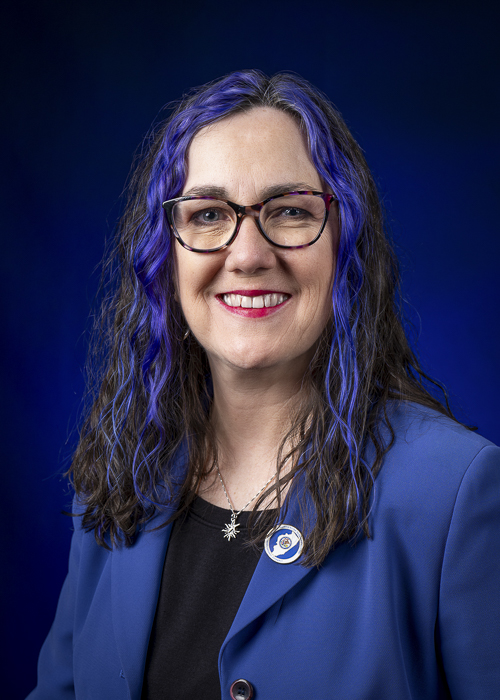
Rep. Kelly Cassidy
Sponsored bills
Amends the Environmental Protection Act. Provides that a pyrethroid pesticide may only be applied by a commercial applicator for commercial or residential use if an evidence-based model of application complying with specified requirements is used. Requires the Environmental Protection Agency to adopt rules creating a process meeting specified requirements for the licensure of commercial applicators for residential treatment of pyrethroid pesticides. Provides that the Agency may adopt any rules it deems necessary to implement and administer the amendatory provisions. House Floor Amendment No. 2 Deletes reference to: 415 ILCS 5/21.8 new Adds reference to: 415 ILCS 60/4 415 ILCS 60/13.4 new 415 ILCS 60/13.5 new Replaces everything after the enacting clause. Amends the Illinois Pesticide Act. Defines "barrier mosquitocide" and "barrier mosquitocide treatment". Prohibits the application of a barrier mosquitocide by a commercial applicator between October 15 an April 15 unless (1) the Department of Agriculture determines, as a part of a rulemaking proceeding, that there is evidence of a significant unmet need for the commercial application of barrier mosquitocides between October 15 and April 15 due to the abundance of target mosquito populations in the State during that period or (2) the barrier mosquitocide treatment is made for public health purposes by or on behalf of a mosquito abatement district, public health department, township, municipality, or other unit of local government. Requires a commercial applicator of barrier mosquitocides to meet specified minimum requirements regarding the application of barrier mosquitocides. Requires the Department to adopt rules to expand its existing commercial applicator licensure and testing program to include training in the residential application of barrier mosquitocides. Provides that the Department may partner with the University of Illinois to develop and administer a voluntary continuing education curriculum to include in-depth pollinator and ecological protection. Prohibits the installation or use of a residential automatic pesticide misting system in the State. Makes other changes. Effective January 1, 2023. Senate Floor Amendment No. 1 Specifies that a product that is exempt from registration under the Federal Insecticide, Fungicide, and Rodenticide Act (or rules adopted under that Act) is not a barrier mosquitocide. Provides that no commercial applicator shall apply a barrier mosquitocide between October 16 and April 14 (rather than between October 15 and April 15).
Amends the Common Interest Community Association Act. Requires a common interest community association's board of managers or board of directors to maintain a record of any reserve study. Amends the Condominium Property Act. Requires the board of managers of every association to keep and maintain records of any reserve study. Senate Committee Amendment No. 2 Adds reference to: 765 ILCS 160/1-90 765 ILCS 605/35 765 ILCS 615/70 Extends the repeal date of specific Sections related to compliance in the Common Interest Community Association Act and the Condominium Property Act to January 1, 2024 (rather than July 1, 2022). Amends the Condominium and Common Interest Community Ombudsperson Act. Extends the repeal date of the Act to January 1, 2024 (rather than July 1, 2022). Adds an immediate effective date.
Amends the Children and Family Services Act. Requires the Department of Children and Family Services and the Department of Human Services to jointly develop and administer a program that provides free and accessible child care services to parenting youth in foster care. Grants the Departments rulemaking authority. House Committee Amendment No. 1 Deletes reference to: 20 ILCS 505/5.21 new Adds reference to: 305 ILCS 5/9A-11 from Ch. 23, par. 9A-11 Replaces everything after the enacting clause. Amends the Illinois Public Aid Code. Expands eligibility under the Department of Human Services' Child Care Assistance Program to include the following categories of families: (i) foster parents or caregivers of youth in care, regardless of whether they are working or participating in Department-approved employment or education or training programs; (ii) youth in care who are parents, regardless of whether they are working or participating in Department-approved employment or education or training programs; (iii) parents who have custody of their children and their children are the subjects of pending cases under Article II of the Juvenile Court Act of 1987, regardless of whether they are working or participating in Department-approved employment or education or training programs; (iv) families with children who have an open intact family services case with the Department of Children and Family Services (rather than families with children under the age of 5 who have an open intact family services case with the Department of Children and Family Services); and (v) families receiving Extended Family Support Program services from the Department of Children and Family Services, regardless of whether they are working or participating in Department-approved employment or education or training programs. Provides that youth in care who are parents and parents whose children are the subjects of pending cases under Article II of the Juvenile Court Act of 1987 shall receive extended child care eligibility for a specified period of time, regardless of whether they are working or participating in Department-approved employment or education or training programs. Effective July 1, 2023. Senate Committee Amendment No. 1 Adds reference to: 20 ILCS 505/5a from Ch. 23, par. 5005a 325 ILCS 20/3 Replaces everything after the enacting clause. Amends the Illinois Public Aid Code. Expands eligibility under the Department of Human Services' Child Care Assistance Program to include the following categories of families: (i) youth in care who are parents, regardless of income or whether they are working or participating in Department-approved employment or education or training programs; and (ii) families receiving Extended Family Support Program services from the Department of Children and Family Services, regardless of income or whether they are working or participating in Department-approved employment or education or training programs. Provides that beginning October 1, 2023, and every October 1 thereafter, the Department of Children and Family Services shall report to the General Assembly on the number of children who received child care via vouchers paid for by the Department of Children and Family Services during the preceding fiscal year. Requires the report to include the ages of children who received child care, the type of child care they received, and the number of months they received child care. Amends the Early Intervention Services System Act. Expands the definition of "eligible infants and toddlers" to include any child under the age of 3 who is the subject of a substantiated case of child abuse or neglect as defined in the federal Child Abuse Prevention and Treatment Act. Amends the Children and Family Services Act. Provides that the rates paid to day care providers by the Department of Children and Family Services shall match the rates paid to child care providers by the Department of Human Services under the child care assistance program, including base rates and any relevant rate enhancements. Effective immediately, except that certain provisions take effect on July 1, 2023.
Creates the Renewable Energy Component Recycling Task Force Act. Creates the Renewable Energy Component Recycling Task Force to investigate options for recycling and other end of life management methods for renewable energy generation components and energy storage devices in accordance with State and federal requirements, to identify preferred methods to safely and responsibly manage end of life renewable energy generating components and energy storage devices, including the reuse or refurbishment, and other specified duties. Provides for the membership and duties of the Task Force. Directs the Task Force to report its findings and recommendations to the Governor and the General Assembly by March 1, 2023. Provides legislative findings. Repeals the Act on December 31, 2023. Effective immediately. Senate Floor Amendment No. 1 Requires the Environmental Protection Agency to coordinate meetings for and provide other logistical assistance to the Task Force. Provides that the Agency may arrange to have outside experts provide research assistance, technical support, and assistance in the preparation of reports for the Task Force. Permits the Agency to use moneys from the Solid Waste Management Fund to fulfill its obligations. Requires the Task Force's final report to be submitted no later than July 1, 2025 (rather than March 1, 2023). Provides that the Act is repealed on December 31, 2025 (rather than December 31, 2023).
Amends the Department of Public Health Powers and Duties Law of the Civil Administrative Code of Illinois. Defines "homeless service provider" to mean a person or entity who provides services to homeless persons under any of the programs of or identified by the Department of Human Services. Requires the Department of Public Health to consider all homeless service providers in the State to be essential critical infrastructure workers under specified guidance from the federal Cybersecurity and Infrastructure Security Agency. Provides that the Department shall ensure that homeless service providers qualify for the same priority benefits afforded to health care organizations and frontline workers by the State, including federal COVID-19 relief funding, personal protective equipment, and vaccinations. Provides for repeal of the provisions on January 1, 2023. Effective immediately. House Floor Amendment No. 1 Replaces everything after the enacting clause with the provisions of the introduced bill with the following changes. Removes language providing for repeal of the provisions on January 1, 2023. Provides that the Department of Public Health may adopt rules for the implementation and administration of the provisions and to ensure that homeless service providers are considered essential critical infrastructure workers in the event of a pandemic. House Floor Amendment No. 2 Provides that the Department of Public Health shall ensure that homeless service providers qualify for the same priority benefits afforded to frontline workers (rather than health care organizations and frontline workers) by the State. Senate Committee Amendment No. 1 Deletes reference to: 20 ILCS 2310/2310-431 new Adds reference to: 20 ILCS 2310/2310-434 new Replaces everything after the enacting clause with the provisions of the engrossed bill with the following changes. Adds a statement of purpose. Requires the Department of Public Health to consider all homeless service providers in the State to be essential critical infrastructure workers in accordance with the most recent guidance from the federal Cybersecurity and Infrastructure Security Agency (rather than under the Agency's "Essential Critical Infrastructure Workers Guidance Version 4.0"). Provides that during a federally-designated public health emergency or a public health disaster declared by a proclamation issued by the Governor under specified provisions of the Illinois Emergency Management Agency Act, the Department and the Illinois Emergency Management Agency shall offer recommendations to their local counterparts encouraging them to consider homeless service providers when making determinations about providing assistance.
Amends the Illinois Criminal Justice Information Act. Creates the ICJIA Violence Reduction Fund as a special fund in the State treasury. Provides that moneys in the Fund shall be used for grants by the Illinois Criminal Justice Information Authority to community-based organizations whose primary purpose is violence reduction in disproportionately impacted areas. Provides that the moneys in the Fund shall also be used by the Authority for operational and grant program purposes. Provides eligibility requirements for receiving grant funds. Provides that grants shall be subject to the requirements of the Grant Accountability and Transparency Act. Requires the Authority to adopt rules to implement the grant program. Amends the State Finance Act to provide for the ICJIA Violence Reduction Fund. Defines terms. Senate Floor Amendment No. 2 Deletes reference to: 20 ILCS 3930/10.3 new 30 ILCS 105/5.935 new Adds reference to: 10 ILCS 5/1-21 new 10 ILCS 5/9-8.5 Replaces everything after the enacting clause. Amends the Election Code. Creates the Public Financing of Judicial Elections Task Force. Sets forth the membership of the Task Force. Provides that the Task Force shall study the feasibility of implementing a system of campaign finance that would allow public funds to be used to subsidize campaigns for candidates for judicial office in exchange for voluntary adherence by those campaigns to specified expenditure limitations. Provides that a political committee that is self-funding and is established to support or oppose a candidate for the Supreme Court, the Appellate Court, or the Circuit Court may not accept contributions from any single person, other than the judicial candidate or the candidate's immediate family, in a cumulative amount that exceeds $500,000 in any election cycle. Provides that an independent expenditure committee established to support or oppose a candidate for the Supreme Court, the Appellate Court, or the Circuit Court may not accept contributions from any single source that exceed $500,000 in any election cycle. Provides that certain contributions to political committees from committees, associations, or other entities that are not required to disclose their contributors are considered anonymous donations, unless the political committee reports to the State Board of Elections all persons who have contributed in excess of $500 during the same election cycle to the committee, association, or other organization or group making the contribution. Senate Floor Amendment No. 3 Replaces a reference to the term "source" with the term "person".
Amends the School Code. Provides that alternative learning opportunities programs may include high school completion programs that allow certain students eligible for remote learning to complete their education while incarcerated in a Department of Corrections facility. Provides that the Chicago Board of Education may offer a remote learning option to a student who is in the custody of the Department of Corrections if the student (i) is enrolled at Consuella B. York Alternative High School at the time the student is transferred to a Department of Corrections facility or had been enrolled in the school within the 6 months prior to being transferred to a Department of Corrections facility and (ii) is within 2 school years of completing all of the course requirements necessary for high school graduation. Allows the school district to continue to offer the option of remote learning to the student to complete any remaining course requirements necessary for high school graduation for up to one school year following the student's release from the custody of the Department of Corrections. Effective immediately. Senate Floor Amendment No. 1 Provides that the Chicago Board of Education's offer of the option of remote learning is subject to appropriation. Provides that the Department of Corrections educators and security staff shall be involved in assisting and supervising students participating in the pilot program. Provides that the Department of Corrections shall negotiate with all bargaining units involved to ensure that the implementation of the pilot program is consistent with collective bargaining agreements.
Amends the Senior Citizens Real Estate Tax Deferral Act. Makes a technical change in a Section concerning the short title. Senate Floor Amendment No. 1 Deletes reference to: 320 ILCS 30/1 Adds reference to: 20 ILCS 105/4.04b new Replaces everything after the enacting clause. Amends the Illinois Act on the Aging. Provides that the purpose of the Senior Housing Residents' Advisory Council established under the amendatory Act is to create a space and opportunity for senior Illinoisans to connect with each other and meet with representatives from the Department on Aging and the Department of Public Health in order to share their ideas on how the State can improve the quality of life for its senior residents. Provides that the Council will also give senior Illinoisans the opportunity to share their findings and recommendations on targeted services and supports for seniors with the Governor and the General Assembly. Provides that the Council is created in the Department on Aging and shall consist of 20 members, including seniors who reside in affordable housing developments and assisted living facilities and seniors who come from each region of the State. Provides that the Council shall meet quarterly beginning no later than January 1, 2023 and shall thereafter meet on the date of each quarterly meeting with personnel from the Department of Public Health and the Department on Aging. Requires all meetings to be open to the public in accordance with the Open Meetings Act. Permits the Council to form subcommittees that can meet more frequently than once per quarter. Provides that members of the Council shall receive no compensation for their service but shall be reimbursed for any necessary expenses incurred in the performance of their duties from appropriations made by the General Assembly for that purpose. Provides that the Council has the following duties: (i) identify barriers to seniors feeling supported by and connected to their communities; (ii) evaluate available resources and services for seniors; (iii) evaluate State outreach to seniors; and (iv) evaluate the impact of COVID-19 on congregate living arrangements for seniors. Requires the Council to submit its first written report to the Governor and the General Assembly no later than December 31 in 2023, 2024, and 2025. Provides that the reports shall contain the results of the Council's findings and evaluations and shall include advice and recommendations on (1) how best to disseminate information to seniors on available supports and services through the use of State agency websites, informational materials, and outreach; (2) how to ensure of the availability of targeted services for seniors and to eliminate any gaps in services for seniors; and (3) how to improve State policy concerning seniors and congregate living arrangements for seniors in response to COVID-19. Provides that the Council shall terminate and dissolve after it submits its third report on December 31, 2025. Repeals the new provisions on January 1, 2027. Effective immediately. House Floor Amendment No. 1 Expands membership on the Senior Housing Residents' Advisory Council to include one senior, appointed by the Department on Aging, who lives in one of the following counties: DuPage, Kane, Lake, McHenry, or Will.
Amends the Code of Criminal Procedure of 1963. Provides that in a prosecution for a criminal offense defined in the Sex Offense Article of the Criminal Code of 1961 or the Criminal Code of 2012 or for criminal sexual assault, aggravated criminal sexual assault, predatory criminal sexual assault of a child, criminal sexual abuse, or aggravated criminal sexual abuse when the alleged victim of the offense was under 18 years of age at the time of the offense, the court may exclude from the proceedings while the victim is testifying, regardless of the alleged victim's age at the time of the victim's courtroom testimony, all persons, who, in the opinion of the court, do not have a direct interest in the case, except the media. Effective immediately. Senate Committee Amendment No. 1 Provides that for the purposes of excluding disinterested parties, the court shall enter its finding that parties are disinterested and the basis for that finding into the record. House Floor Amendment No. 3 Provides that when the court publishes to the trier of fact videos, photographs, or any depiction of a minor under 18 years of age engaged in a sex act, the court may exclude from the proceedings all persons, who in the opinion of the court, do not have a direct interest in the case, except the media.