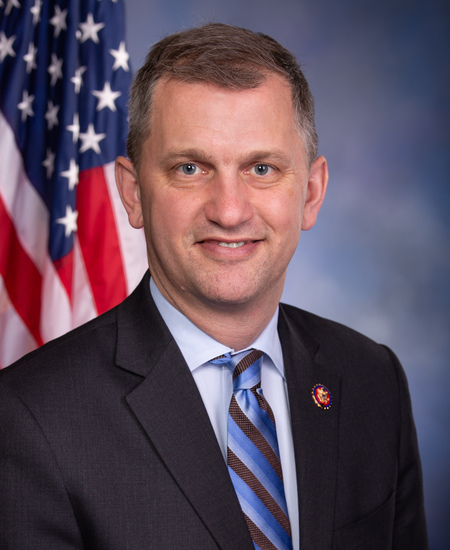
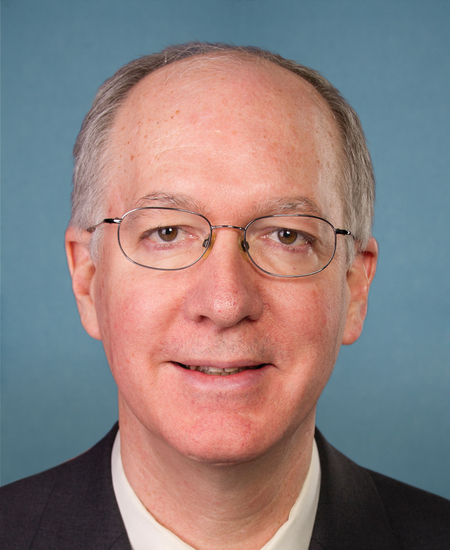
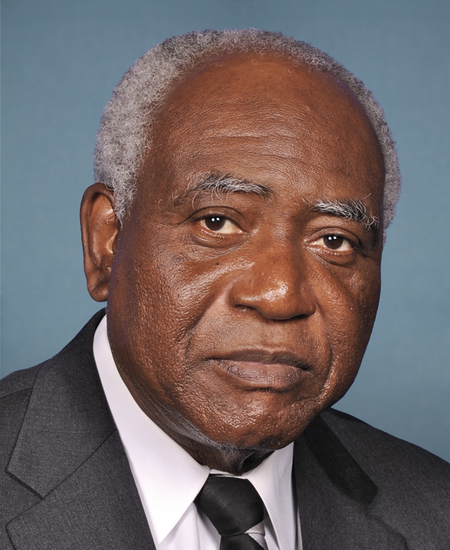
The Equity in STI Testing Act requires Medicare Advantage, Medicaid, CHIP, TRICARE, and the Department of Veterans Affairs to cover screening tests for HIV, gonorrhea, syphilis, trichomoniasis, and chlamydia without charging beneficiaries any out-of-pocket costs. The bill directly affects patients enrolled in these federal health programs by eliminating copayments and deductibles specifically for these preventive screenings. It also mandates that the Indian Health Service provide these tests to eligible Native Americans at no cost, regardless of whether the services are typically authorized under their purchased or referred care systems. These changes take effect on different timelines depending on the specific program, with some provisions applying immediately upon enactment and others starting in the following calendar year.
This House resolution marks the 25th anniversary of the September 11, 2001 terrorist attacks by formally honoring the memory of the nearly 3,000 victims and recognizing the sacrifices made by first responders, military personnel, and the passengers of United Airlines Flight 93. The bill acknowledges the ongoing health challenges faced by survivors and responders, highlighting the role of the World Trade Center Health Program in providing long-term medical support. It also credits charitable organizations and community groups that have continued to assist victims' families and veterans over the past two decades. Finally, the resolution urges the American public to observe the anniversary with ceremonies and reaffirms Congress's commitment to remembering the events and lessons of that day.
The Vet CENTERS for Mental Health Act of 2026 requires the Secretary of Veterans Affairs to ensure that every state meets a specific minimum number of mental health treatment centers within one year of enactment. For states in the contiguous United States, this minimum is calculated as the greater of one center per 30,000 square miles of land or one center per 55,000 veterans based on census data. Non-contiguous states and territories must maintain at least one center or match their existing count from January 1, 2020, whichever is higher. To achieve these targets, the Secretary may open new facilities using buildings provided by state, local, or tribal governments, and can establish outstations in place of full centers if multiple additional sites are needed in a single state.
This bill prohibits the Department of Defense from reclassifying or renaming ongoing military contingency operations if troops are still engaged in hostilities against the same enemy, even during ceasefires or diplomatic negotiations. It requires that casualty records and statistics remain permanently attributed to the original operation, preventing administrative changes from obscuring the human cost of war or resetting cumulative counts. Additionally, the legislation ensures that service members and civilian employees retain eligibility for deployment-related benefits, awards, and leave based on the original operation designation rather than any subsequent administrative redesignation. The bill also mandates the immediate restoration of casualty records and benefits for personnel involved in operations against Iran since February 28, 2026, and requires written notice to affected families and individuals regarding these restorations.
This resolution designates August 16, 2026, as National Airborne Day to honor the history and contributions of U.S. airborne military forces. The bill calls on the American people to observe the day with programs and ceremonies celebrating the bravery and achievements of paratroopers and air assault units. It highlights the legacy of these forces, which began with the first official Army parachute jump on that date in 1940 and have since served in numerous conflicts worldwide. The measure serves as a commemorative recognition rather than a change to federal law or military operations.
This bill updates federal laws to ensure that members of the Army, Navy, Marine Corps, Air Force, and Space Force cannot be excluded from jobs or assignments based on their gender. It requires the Department of Defense to establish occupational standards using scientifically rigorous methods that evaluate technical, tactical, cognitive, and physical abilities without gender bias. Additionally, the legislation mandates annual reports to Congress detailing any involuntary reclassifications or separations and requires a detailed review of the operational effectiveness of Army and Marine Corps ground combat units. These changes are scheduled to take effect on September 30, 2026, with the first required report due the following year.
This bill establishes federal protections and funding to expand access to in vitro fertilization and intrauterine insemination for individuals, military service members, and veterans. It requires most private health plans, Medicaid programs, and Medicare to cover these fertility treatments without imposing higher cost-sharing than other medical services. Additionally, the legislation mandates that the Department of Defense and the Department of Veterans Affairs provide specific fertility preservation and treatment benefits to uniformed service members and eligible veterans. The bill also includes preemption clauses that override state laws restricting these procedures and prohibits discrimination based on marital status, sex, or sexual orientation in the provision of care.
This resolution designates August 1, 2026, as Gold Star Children's Day to honor the sacrifices and hardships faced by children of fallen members of the U.S. Armed Forces. The bill does not create new laws or change government operations; instead, it serves as a formal expression of gratitude from the Senate and encourages the public to observe this day in support of these families. By establishing this specific date, the measure aims to raise awareness about the legacy carried by children who lost a parent in military service.
The Tuskegee Airmen Memorial Act of 2026 authorizes the organization Tuskegee Airmen, Inc. to build a commemorative monument on federal land in Washington, D.C., honoring the original Tuskegee Airmen who served in World War II. This legislation allows the group to accept private donations and cover all costs for the project without using federal funds, while requiring any leftover money to be deposited into specific government accounts. The bill also mandates that the memorial be constructed in compliance with existing federal standards for commemorative works.
The Federal Jobs for STARs Act of 2026 aims to increase hiring opportunities for individuals in the federal workforce who have gained skills through alternative routes like military service, apprenticeships, or community colleges rather than traditional four-year degrees. It requires the Office of Personnel Management to restrict agencies from mandating bachelor's degrees unless absolutely necessary and to create a specific section on federal job websites dedicated to these candidates. Additionally, the bill mandates a study to explore funding options, such as scholarships and tuition assistance, to help current federal employees with these backgrounds pursue further education.