Issue · Healthcare

Healthcare

Every healthcare bill, vote, and legislator stance in Illinois, automatically classified by Maddy, our AI policy reader.

Total bills
916
104th Regular Session
Top supporter
Yolonda Morris
100% support rate
Top opponent
Chris Miller
0% support rate
Ranked legislators
10
5 support · 5 oppose
Key legislators

Who's moving healthcare in Illinois

Legislators moving healthcare in Illinois
Legislator Party Stance Support rate Decisive votes
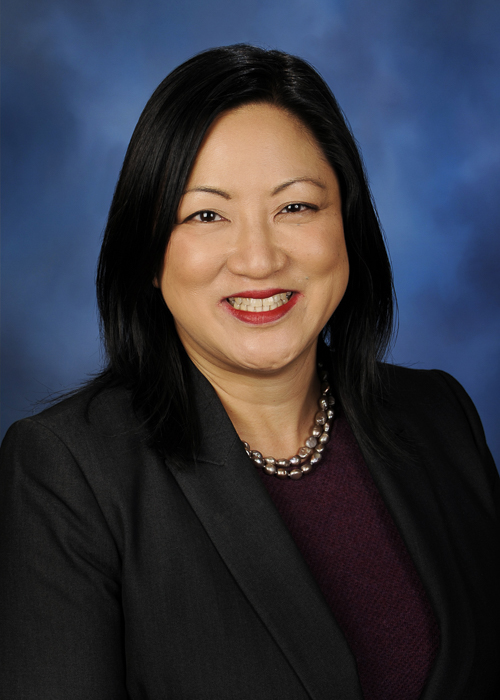
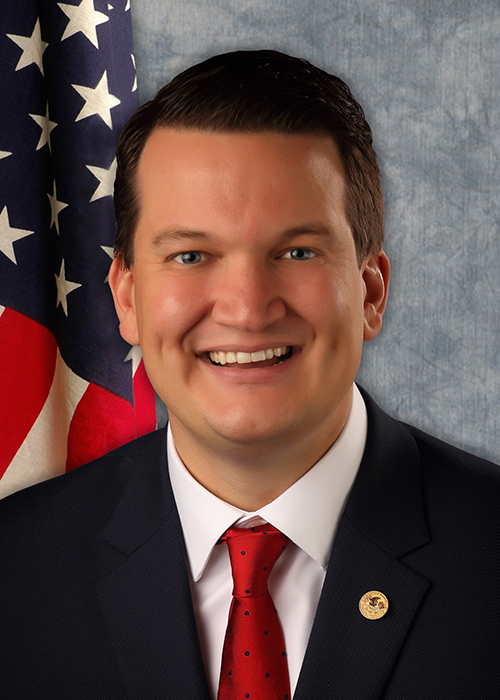
Yolonda Morris
Yolonda Morris House · District 9
D
Strong +
100% 95
Theresa Mah
Theresa Mah House · District 24
D
Strong +
100% 92
Dee Avelar
Dee Avelar House · District 85
D
Strong +
100% 91
Michelle Mussman
Michelle Mussman House · District 56
D
Strong +
100% 89
Mike Crawford
Mike Crawford House · District 31
D
Strong +
100% 89
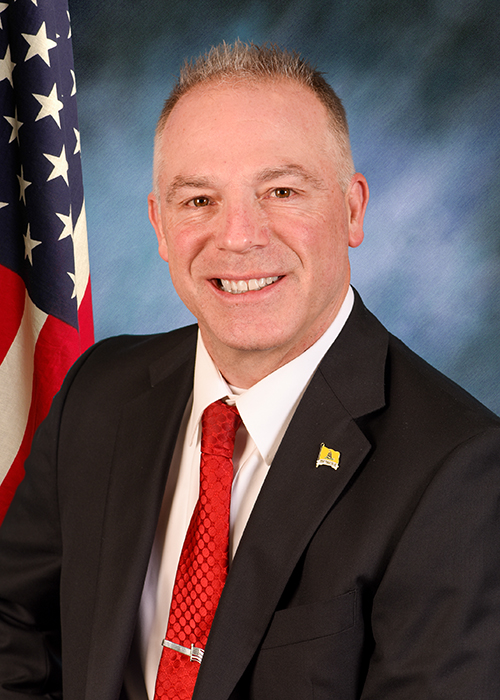
Chris Miller
Chris Miller House · District 101
R
Strong −
0% 66
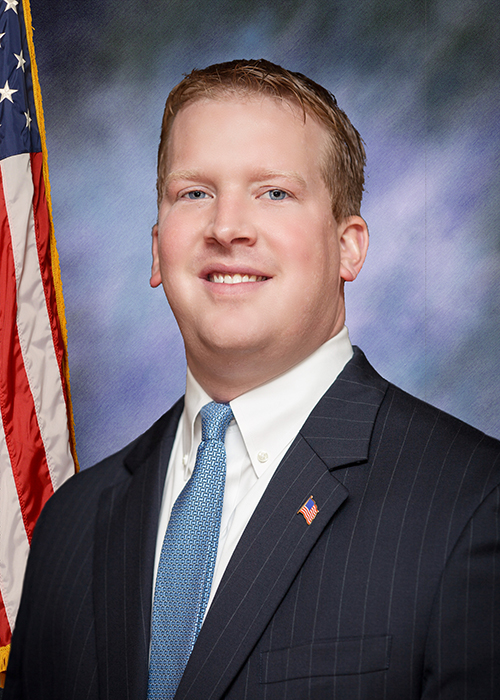
Brad Halbrook
Brad Halbrook House · District 107
R
Strong −
0% 63
Andrew Chesney
Andrew Chesney Senate · District 45
R
Strong −
0% 26
Craig Wilcox
Craig Wilcox Senate · District 32
R
Strong −
0% 23
Jason Plummer
Jason Plummer Senate · District 55
R
Strong −
0% 21
Showing 471–480 of 916 bills

All healthcare bills

signed · Illinois · House Aug 1, 2025

HB 1910: LIBRARIES-OPIOID ANTAGONISTS

Amends the Illinois Local Library Act. Provides that all libraries open to the general public in the State shall maintain a supply of opioid antagonists in an accessible location. Provides that any authorized personnel may administer an opioid antagonist to any person whom the authorized personnel believes, in good faith, to be having an opioid overdose (i) on library grounds; (ii) in the immediate vicinity of the library; or (iii) at a library-sponsored event. Requires libraries to ensure that during all operating hours, there is at least one person present in the library who has completed training in how to recognize and respond to an opioid overdose, including the administration of an opioid antagonist. Requires the Director of the Department of Public Health to identify organizations qualified to offer the training. Provides that the health department of any county where a Library is located may provide, either directly or through providing necessary funds, a supply of opioid antagonists to the library. Allows the Department to adopt rules to implement the provisions. Makes conforming changes in the Pharmacy Practice Act.
in committee · Illinois · House Apr 17, 2026

HB 3027: HARMFUL SUPPLEMENTS FOR MINORS

Creates the Ban on Harmful Supplements for Minors Act. Prohibits the sale of diet pills or dietary supplements for weight loss or muscle building to any person under 18 years of age, unless that individual has a prescription. Provides for responsibilities of retail establishments. Provides for responsibilities of delivery sellers. Provides that the Attorney General may apply for a special proceeding to issue an injunction upon notice to the defendant of not less than 5 days, with certain requirements. Provides that any person who violates any provision of this Act is liable for a civil penalty of up to $1,000 per violation. Provides for an affirmative defense based upon compliance with the Act, with certain requirements. Provides for rulemaking by the Attorney General or the Department of Public Health to determine additional dietary supplements or drugs that are subject to the Act. Provides that the Department of Public Health may adopt other rules as necessary to implement this Act. Defines terms.
Sub-Topics Public Health
signed · Illinois · Senate Aug 15, 2025

SB 1295: 9-1-1 TELECOMMUNICATOR CPR

Amends the Illinois State Police Law. Provides that, beginning January 1, 2026, all 9-1-1 telecommunicators who provide dispatch for emergency medical conditions shall be required to be trained, utilizing the most current nationally recognized emergency cardiovascular care guidelines, in high-quality telecommunicator cardiopulmonary resuscitation (T-CPR). Defines telecommunicator cardiopulmonary resuscitation for the purposes of the provisions.
in committee · Illinois · House Mar 21, 2025

HB 1309: WORKERS COMP-PRESUMPTION

Amends the Workers' Compensation Act. Provides that the rebuttable presumption concerning specified conditions or impairments of health of an employee employed as a firefighter, emergency medical technician, emergency medical technician-intermediate, advanced emergency medical technician, or paramedic is intended to shift the burden of proof to the employing entity and any party attacking the presumption must establish by clear and convincing evidence an independent and non-work related cause for the condition or disability and prove that no aspect of the employment contributed to the condition. Provides that the rebuttable presumption relating to hearing loss cannot be overcome with evidence allegedly showing that the injured employee did not meet specified exposure thresholds.
in committee · Illinois · House Feb 6, 2025

HB 2926: CANNABIS DELIVERY

Amends the Compassionate Use of Medical Cannabis Program Act. Provides that all cannabis products purchased by a qualifying patient, provisional patient, or designated caregiver from a licensed dispensing organization shall be lawful products (rather than all medical cannabis products purchased by a qualifying patient at a licensed dispensing organization shall be lawful products and a distinction shall be made between medical and non-medical uses, with other requirements). Amends the Cannabis Regulation and Tax Act. Changes and adds definitions. Makes changes to provisions regarding operational requirements and prohibitions. Provides that a dispensing organization shall not sell cannabis or cannabis-infused products to a purchaser unless the purchaser has been verified to be 21 years of age or older, or the person is verified to be a registered qualified patient, provisional patient, or designated caregiver (removing requirements referencing the Compassionate Use of Medical Cannabis Program). Removes prohibitions for a dispensing organization to operate drive-through windows. Provides an exception to the prohibition for a dispensing organization to transport cannabis for delivery. In provisions regarding an inventory control system, adds that all dispensing organizations shall maintain internal, confidential records of all deliveries to any registered qualified patient, provisional patient, or designated caregiver, with certain requirements. In provisions regarding dispensing cannabis, adds a requirement that the agent verify the qualifying patient, provisional patient, or designated caregiver registration card, if applicable. Provides that a dispensing organization may offer pickup or drive-through for cannabis or cannabis-infused products to purchasers over 21 years of age and certain patients and caregivers. Provides that a dispensing organization may offer delivery for cannabis or cannabis-infused products to certain patients and caregivers. Adds requirements to provisions regarding security for a dispensing organization. Adds provisions permitting delivery by dispensing organizations to the residence of a qualifying patient, provisional patient, or designated caregiver, with certain requirements.
in committee · Illinois · Senate Jun 2, 2025

SB 1315: JUV CT-REIMBURSEMENT-PLACEMENT

Amends the Juvenile Court Act of 1987. Provides that the Department of Children and Family Services shall reimburse any county probation department for the costs of placement of any youth in care, whether the youth in care is in the custody of a county juvenile detention center or appropriate placement that meets the needs of the youth in care. Provides that the costs shall include expenditures for transportation and medical or mental health services. Provides that placement costs shall be at the detention center's usual and customary rate. Contains findings.
in committee · Illinois · House Mar 27, 2026

HB 2847: INC TX-EMPLOYMENT DISABILITIES

Amends the Illinois Income Tax Act. Provides that a taxpayer who employs a person with a developmental disability or a severe mental illness, as certified by the Department of Human Services, during the taxable year is entitled to an income tax credit in an amount equal to 25% of the wages paid by the taxpayer to the person with a developmental disability or severe mental illness, but not to exceed $6,000 in wages paid during the taxable year to any single qualified employee. Effective immediately.
Sub-Topics Income Tax Tax Credits Mental Health Tags People with Disabilities
signed · Illinois · House Jul 10, 2026

HB 1807: DFPR-NURSING EDUCATION PROGRAM

Amends the Nurse Practice Act. Makes changes to the requirements for a registered professional nursing education program in provisions concerning the establishment of a new program, program policies, faculty members, training and development, the program's curriculum, the program's use of simulation, the accreditation process, approval by the Board of Nursing, and the program closure process. Makes a conforming change. Provides that the Department of Financial and Professional Regulation may, without hearing, rescind the license of any person who obtain a license after completing a program or obtaining credit from a program that does not meet the requirements of the provisions regarding registered professional nursing education programs. In provisions concerning nursing licensure by examination, removes the provision regarding the good standing period for professional nursing programs on probationary status.
signed · Illinois · Senate Aug 15, 2025

SB 73: BABY FOODS-TOXIC HEAVY METALS

Amends the Illinois Food, Drug and Cosmetic Act. Provides that on and after January 1, 2026, a person may not sell, distribute, or offer for sale baby food in the State that contains toxic heavy metals that exceed the limits established by the U.S. Food and Drug Administration. Defines "toxic heavy metal" as arsenic, cadmium, lead, or mercury and defines other terms. Provides that beginning January 1, 2026, each manufacturer of baby food shall test a representative sample of each production aggregate of the manufacturer's final baby food product for each toxic heavy metal. Requires monthly testing. Beginning January 1, 2027, requires each manufacturer of baby food to make certain information publicly available. Provides that if a consumer believes, based on information gathered through the use of the code included on the baby food product label, that baby food is being sold in the State with toxic heavy metals that exceed limits established by the U.S. Food and Drug Administration, the consumer may report that baby food to the Department of Public Health.
Sub-Topics Public Health
Showing 471 to 480 of 916 bills
Previous 1 … 47 48 49 … 92 Next