Issue · Veterans

Veterans

Every veterans bill, vote, and legislator stance in Idaho, automatically classified by Maddy, our AI policy reader.

Total bills
2
119th Congress
Top supporter
Russ Fulcher
69% support rate
Top opponent
-
no data yet
Ranked legislators
4
4 support · 0 oppose
Key legislators

Who's moving veterans in Idaho

Legislators moving veterans in Idaho
Legislator Party Stance Support rate Votes
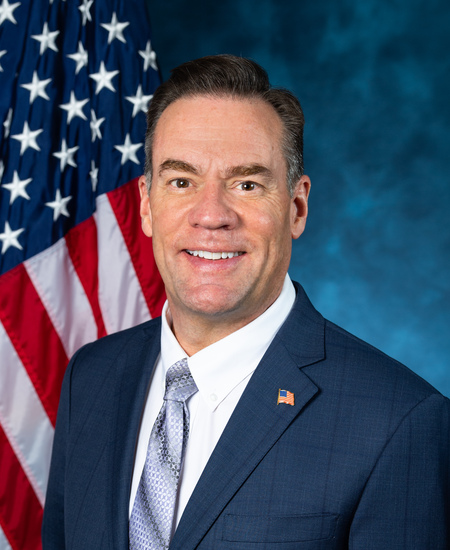
Russ Fulcher
Russ Fulcher House · District 1
R
Support
69% 217
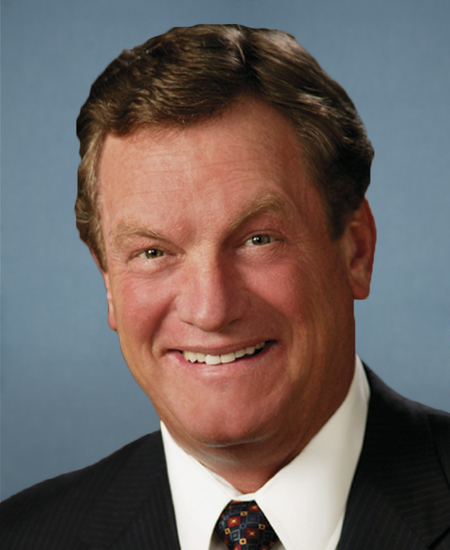
Michael K. Simpson
Michael K. Simpson House · District 2
R
Support
65% 221
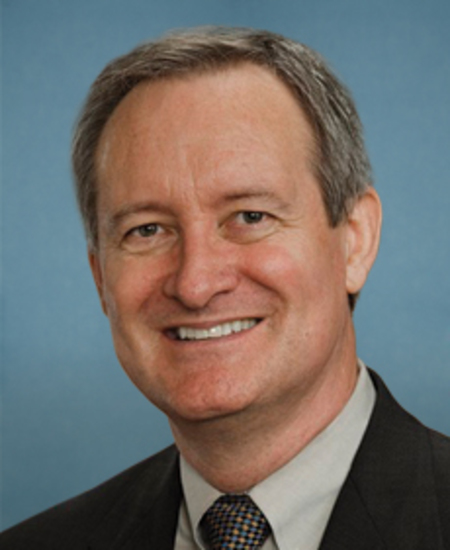
Mike Crapo
Mike Crapo Senate
R
Support
62% 276
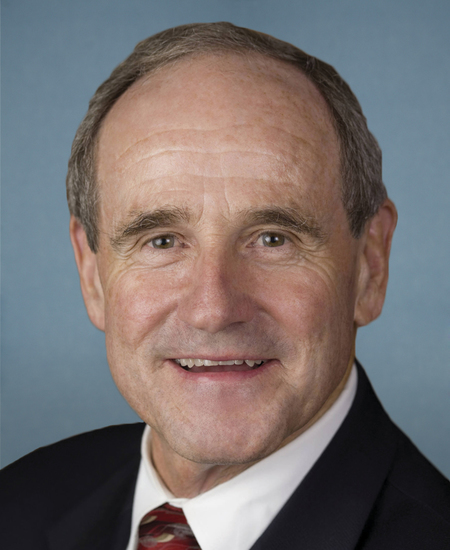
James E. Risch
James E. Risch Senate
R
Support
62% 274
Showing 2 of 2 bills

All veterans bills

in committee · United States · Senate Aug 5, 2026

S 5266: Veterans’ Earned Benefits Access Act of 2026

The Veterans’ Earned Benefits Access Act of 2026 allows the Secretary of Veterans Affairs to recover separation, severance, and readjustment pay from service members who are receiving veterans' disability compensation. To manage this recovery, the bill authorizes deductions from monthly disability payments, with regulations ensuring that no more than 25 percent of a member's compensation is withheld in any given month. The legislation also establishes a process for service members to apply for a waiver if these deductions would cause them financial hardship. These provisions will take effect once final regulations are published and will apply to disability compensation paid on or after that date.
in committee · United States · Senate Apr 30, 2026

S 4447: No Taxpayer-Funded Pensions for Sex Criminals Act

This bill, titled the No Taxpayer-Funded Pensions for Sex Criminals Act, prohibits federal government employees and military personnel from receiving pension benefits if they are convicted of specific sex crimes. The law amends existing federal statutes to ensure that anyone convicted of offenses such as rape, child molestation, or sexual exploitation after the bill's enactment will have their annuities and retired pay forfeited. These penalties apply to crimes committed on or after the date the law is passed, covering both federal offenses and state crimes that would be considered federal sex offenses if committed in federal territory. The legislation also includes technical updates to related sections of the U.S. Code to ensure the forfeiture rules are consistently applied across different retirement systems.