

Maddy summaryThis bill authorizes Congress to award a Congressional Gold Medal to individuals who fought for or with the United States in the Pacific theater during World War II and subsequently became prisoners of war. The legislation specifically recognizes the service and sacrifice of those who defended locations such as Bataan and Corregidor, including Filipino soldiers and civilians who served alongside U.S. forces. To implement this award, the Speaker of the House and the President pro tempore of the Senate will arrange for the creation of a gold medal by the Secretary of the Treasury, which will be presented to the Smithsonian Institution for display. The act also allows for the production of duplicate bronze medals to cover the costs of the original gold medals, with any proceeds from these sales deposited into the United States Mint Public Enterprise Fund.
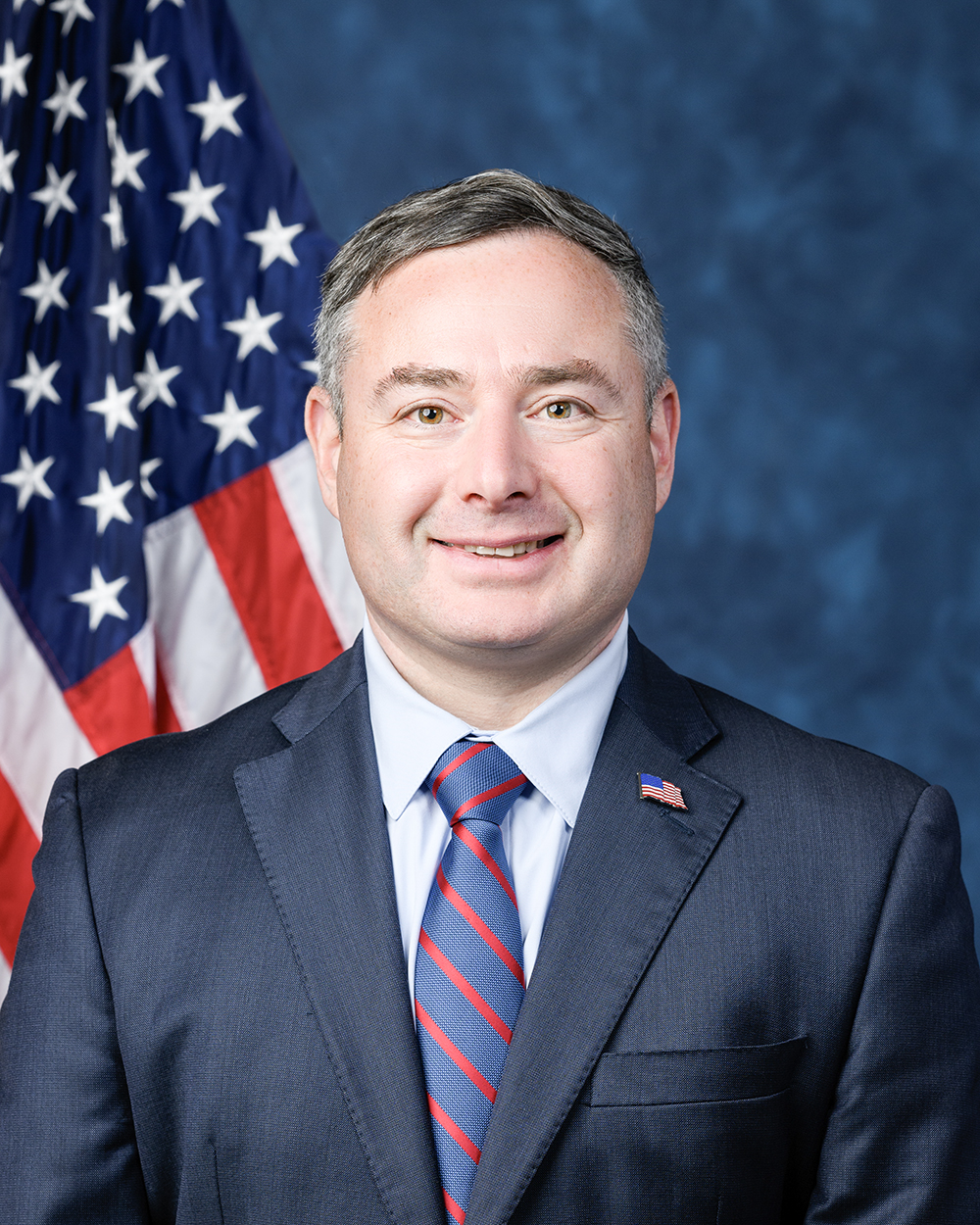
Rep. Eugene Simon Vindman
Sponsored bills
Maddy summaryThe Combat Pay Protection Act establishes a new formula to increase specific special and incentive pay for members of the U.S. Armed Forces, including those in the reserve components. For the first year after the bill becomes law, pay will rise by the greater of the inflation rate or the percentage increase in basic pay, while subsequent years will use a similar calculation based on inflation or basic pay growth. This adjustment applies to bonuses and allowances defined in the law and overrides any existing legal caps on maximum pay amounts. The Department of Defense is also required to publish a detailed table listing the specific pay types and the calculated increase amounts by the end of the year the bill is enacted.
Maddy summaryThis bill directs the National Institute of Standards and Technology to create task forces that develop technical standards for labeling content created by artificial intelligence. These groups will work with technology companies, social media platforms, and privacy experts to establish methods for watermarking images and videos, as well as tagging text, to help users distinguish AI-generated material from human-made content. The legislation requires these task forces to include representatives from various sectors, including developers, media organizations, and labor groups, and mandates regular reporting to Congress on their progress. Additionally, the bill emphasizes the need to protect user privacy when implementing these new tracking and labeling systems.
Maddy summaryThe LIFT AI Act (HR 5584) provides federal funding through competitive grants to develop AI literacy programs for K-12 education. It directly affects elementary and secondary schools, teachers, and students by supporting the creation of AI-focused curricula, teacher training on responsible AI use, and hands-on learning tools. Key provisions include funding for project-based learning materials, professional development for educators, and evaluation methods to assess student AI proficiency. The bill aims to integrate practical AI skills into classrooms while ensuring content adapts to evolving technology. It does not fund direct student programs but enables schools to build foundational AI education through grant-supported resources.
Maddy summaryHR 5351, the NSF AI Education Act of 2025, creates new funding mechanisms to expand artificial intelligence education. It authorizes scholarships and fellowships covering tuition, fees, and stipends for undergraduate and graduate students in AI-related fields, with priority for programs teaching AI in K-12 schools, advanced manufacturing, and agriculture. The bill also establishes up to eight regional "Centers of AI Excellence" at community colleges and career schools to develop AI curricula, build industry partnerships, and create student job pathways. Additionally, it funds research grants to develop K-12 AI teaching materials and supports professional development for educators and industry professionals to integrate AI into classrooms.
Creating Resources for Every American To Experiment with Artificial Intelligence Act of 2025 or the CREATE AI Act of 2025 This bill establishes a national program to provide U.S. researchers, educators, and students with access to artificial intelligence (AI) data, computational resources, educational tools and services, and testbeds. The program, to be known as the National Artificial Intelligence Research Resource (NAIRR), must be established by the National Science Foundation (NSF) to improve U.S. AI research capacity and spur the strategic development of AI capabilities. NAIRR may accept and use donated resources from the private sector and federal agencies. Those eligible to use NAIRR resources are (1) researchers, educators, and students based in the United States and affiliated with a U.S. institution of higher education, nonprofit, executive agency, or other specified entity; and (2) employees of U.S. executive agencies or federally funded research and development centers with a demonstrable mission need. NSF must select a nongovernmental organization to operate NAIRR (i.e., an operating entity ) through a competitive and transparent process. The operating entity must ensure that a significant percentage of the annual allotment of computational resources is provided to projects primarily focused on AI privacy, ethics, safety, security, risk mitigation, or trustworthiness. The operating entity must also establish minimum security requirements for all individuals interacting with NAIRR. The operating entity may establish a fee schedule for access to NAIRR, which must include a free tier of access and must ensure that the primary purpose of NAIRR is to support research.
Maddy summaryHR 2332, the SHARE Act of 2025, standardizes how states share criminal history background check information for professional licensing across state lines. It requires the FBI to provide this information to state licensing authorities through agreements with law enforcement, specifically for verifying applicants seeking licenses or practice privileges in multiple states. The bill strictly prohibits states from sharing detailed criminal history records with other states or the public, allowing only a simple "satisfactory" or "unsatisfactory" result to be shared. This directly affects licensed professionals (like nurses or contractors) seeking to practice in multiple states and the state agencies that issue their licenses.
Maddy summaryThe Federal Workforce Reproductive Rights Protection Act prevents federal agencies from relocating headquarters or major operations to states with laws restricting or banning abortion, while also barring the use of funds to build or lease facilities in those locations. To support federal employees who need to access reproductive health care, the bill allows workers to decline transfers to restrictive states, grants up to 21 days of paid leave for travel to obtain such services, and provides reimbursement for travel costs without requiring disclosure of the specific medical procedure. Additionally, the legislation prohibits government agencies from investigating an employee's use of abortion services when reviewing security clearances or making personnel decisions and protects workers from retaliation if they exercise these new rights.
Maddy summaryThis bill redesignates the existing National Parks and Public Land Legacy Restoration Fund as the America's Legacy Restoration Fund to address deferred maintenance on federal lands. It directs revenue from recreation fees and a portion of energy development income into the fund, which must be used primarily for repairing critical infrastructure like roads, trails, and buildings managed by agencies such as the National Park Service and the Forest Service. The legislation establishes strict rules requiring that most funds go toward non-transportation projects, mandates transparency through public dashboards tracking project status, and sets aside a small percentage for matching private donations. Additionally, the bill increases entrance fees for foreign visitors to ensure they contribute to the fund, while prohibiting the use of these specific funds for land acquisition or employee bonuses.
Maddy summaryHR 2152, the AI PLAN Act, requires the Treasury, Homeland Security, and Commerce departments to create annual reports addressing AI risks in financial crimes. These reports must detail current defenses against AI-driven fraud, misinformation, deepfakes, voice cloning, and foreign election interference, plus list available and needed resources (like technology and funding) to protect U.S. financial systems. The bill directs agencies to submit legislative recommendations within 90 days of each report to help combat these threats. It primarily affects federal agencies and indirectly impacts businesses and individuals targeted by AI-powered financial crimes.