

Clarifies that the omission of certain information or any error in a citation does not constitute ground for dismissal of a charge or for reversal of a conviction, if the omission or error did not prejudice the defendant.
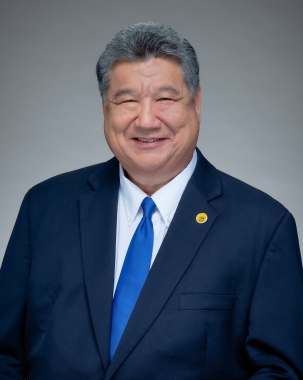
Sen. Ron Kouchi
Sponsored bills
Maddy summarySB 1428 establishes a minimum age requirement for the sale of manufactured hemp products, directly affecting retailers and consumers purchasing these items. The bill's key provision sets a specific age threshold (e.g., 18 or 21 years) that sellers must verify before completing any transaction. This policy change applies to all retail outlets selling manufactured hemp products, such as edibles or topicals, within the jurisdiction. The bill does not alter product regulations or safety standards, focusing solely on age verification for sales. It is currently in early legislative stages, having been introduced on January 21, 2025.
Makes the Safe Spaces for Youth Pilot Program permanent within the Office of Youth Services. Requires the program to collaborate with all state and county departments that offer services for youth and young adults to coordinate the identification of youth and young adults who are experiencing homelessness and placement of these youth at a shelter for homeless youth or young adults. Authorizes the Office of Youth Services to contract with nonprofit organizations to provide shelters for homeless youth or young adults. Requires the Office of Youth Services to submit a report twenty days prior to the regular session of the Legislature.
Revises registration, fee, reporting, and enforcement requirements for charitable fundraising platforms and platform charities with chapter 467B, HRS, requirements. Removes duplication of registration, fee, and reporting requirements for charitable fundraising platforms and platform charities.
Authorizes the Hawaii Community Development Authority to cooperate with or assist public and private sector entities to engage in projects that improve the State. Establishes the transit-oriented development infrastructure improvement program. Repeals the transit-oriented development infrastructure improvement district and board, under chapter 206E, part X, HRS. Makes additional consistent revisions to chapter 206E.
Authorizes supplemental allotments and transfer of unrequired balances for capital improvement program projects and establishes a protocol fund for each state principal department. Effective upon approval.
Maddy summarySB 1414 amends Hawaii law to allow the Hawaii Public Housing Authority (HPHA) to close *all* its property parcels to the public, expanding existing closure authority beyond current designated areas. This directly affects residents and visitors to HPHA housing developments, as it gives the Authority broader discretion to restrict public access to any of its properties. The key provision changes HRS section 356D-6.7 to explicitly include "all Hawaii Public Housing Authority parcels" within the definition of areas eligible for public closure. The bill does not create new housing policies but modifies access rules for existing public housing sites.
Maddy summarySB 1415 removes existing tenant selection preferences for disabled veterans and the spouses of deceased veterans within the State Low-Income Housing Program. This means these specific groups will no longer receive priority when applying for housing through this state program. The bill directly affects applicants for low-income housing who previously qualified for these veteran-related preferences. It changes the selection criteria by eliminating these two categories from the program's eligibility preferences.
Aligns the State's Money Transmitters Modernization Act with the Model Money Transmitters Modernization Act, thereby enabling Hawaii to work within a network of states to license, supervise, and examine transglobal money transmission companies as a multistate system; adopts nationwide standards that provide clarity and consistency in calculating the tangible net worth of licensees; ensures that licensees have sufficient financial resources to conduct their business in a safe and sound manner; and promotes efficiency throughout the licensing process.
Prohibits state and county elected officials from soliciting and accepting campaign contributions during any regular session or special session of the state legislature, including any extension of any regular session or special session or any legislative recess day, holiday, or weekend.