

Establishes a two-year Electric Vehicle Battery Recycling and Reuse Working Group within the Hawaii State Energy Office. Requires the working group to examine how to maximize the recycling and reuse of electric vehicle batteries and recommend electric vehicle battery management practices. Requires a report to the Legislature. (SD1)
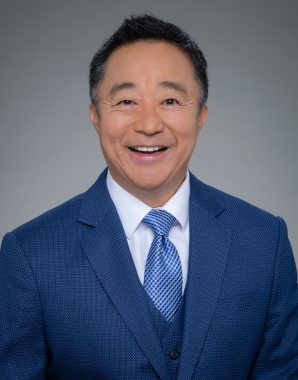
Sen. Glenn Wakai
Sponsored bills
Maddy summarySCR 19 is a concurrent resolution requesting Hawaii's Department of Education to make public school recreational facilities (like pools, gyms, and fields) available to the public during non-peak hours and non-school days. It directly affects residents, particularly in low-income and rural communities who face barriers to accessing recreational amenities. The resolution builds on existing rules requiring school facility access but seeks to expand it to unrestricted use during specified times, moving beyond the current requirement for a 10-day online application. This aims to address documented inequities in recreational access, as noted in the resolution's supporting statements.
Maddy summarySCR 25 is a Senate Concurrent Resolution requesting the State Health Planning and Development Agency and Department of Health to hold public meetings for all certificate of need applications involving proposed special treatment facilities in neighborhoods with community associations. It does not create new law but asks the agency to require public input during the review process for these specific healthcare facility proposals. The resolution also requests the agency adopt rules requiring applicants to appear before neighborhood boards as part of their application. This applies only to facilities seeking approval under the administrative review process (typically smaller projects), not the standard review process which already includes public meetings.
Maddy summarySB 1648 would require utilities to provide compensation to customers following power outages. It directly affects residential and commercial utility customers who experience service interruptions. The bill establishes specific requirements for when and how compensation is calculated and paid, though details like payment amounts aren't specified in the abstract. Currently pending committee review (CPN), the bill would take effect on July 1, 2050, if passed.
Prohibits the operation of a motor vehicle with, possession, purchase, installation, sale, offer for sale, or distribution of license plate flipping devices. Establishes a $2,000 fine for each separate violation. Effective 7/1/2050. (SD1)
Establishes and appropriates funds to establish the Aloha Intelligence Institute within the University of Hawaii to develop, support, and advance artificial intelligence initiatives statewide. Requires reports to the Legislature. Effective 7/31/2050. (SD1)
Maddy summarySR 15 is a Senate Resolution requesting the State Health Planning and Development Agency and Department of Health to hold public meetings for all certificate of need applications involving proposed special treatment facilities (like mental health centers) in neighborhoods with community associations. Currently, smaller applications under administrative review skip public meetings unless requested, but this resolution seeks to require them for all such facilities in areas with community groups. It also asks the agencies to adopt rules requiring applicants to appear before neighborhood boards during the application process. This is a procedural request, not a new law, aimed at increasing community input into healthcare facility approvals.
Authorizes the Hawaii State Energy Office to establish a publicprivate partnership to develop a waste-to-energy generating facility in each county having a population below 800,000. (SD1)
Maddy summarySCR 27 is a Senate Concurrent Resolution requesting the Hawaii Auditor to audit the Department of Education's capital improvement project finances. It specifically asks for an examination of how the Department spends funds on school repairs and renovations since 2021, including project prioritization. The audit aims to assess fiscal accountability for the $2 billion in unspent capital funds as of January 2024. The Auditor must submit findings and recommendations to the Legislature by October 2025. This procedural resolution does not create new law but seeks greater transparency in how school facility funds are managed.
Requires each purchasing agency to provide justification for hiring external consultants. Caps the amount each agency can spend on external consultants. Requires each agency to seek approval from the Legislature for consulting contracts exceeding a certain dollar amount. Requires each agency to disclose new contracts with external consultants. Requires annual reports to the Legislature. Requires the Compliance Audit Unit to conduct regular audits of agency consultant contracts to assess cost-effectiveness and compliance. Requires each chief procurement officer to ensure that inherent government functions are not delegated to a contractor. Effective 1/1/2491. (SD2)