

Establishes a licensing scheme for licensed certified midwives and licensed certified professional midwives, to be overseen by the Department of Commerce and Consumer Affairs. Reestablishes the home birth task force to provide recommendations on issues related to home births. Dissolves the task force on 6/30/2026. Requires reports to the Legislature.
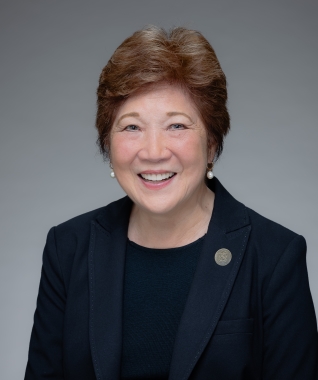
Sen. Carol Fukunaga
Sponsored bills
Establishes a comprehensive regulatory framework for prior authorization process in the State, including disclosure and notice requirements for utilization review entities regarding their prior authorization requirements and restrictions; qualifications and criteria for prior authorization review and appeals personnel; prior authorization process for non-urgent and urgent health care services, including the time frame by which utilization review entities must render a decision; adverse determination and appeal processes; prohibition of prior authorization for emergency health care services and medication for opioid use disorder; payments to health care providers; length and duration of prior authorizations; and exemptions for certain health care providers. Requires health insurers to utilize NCPDP SCRIPT Standard electronic prior authorization transactions by 1/1/2026. Requires utilization review entities to submit annual reports to the Insurance Commissioner each year. Requires the Insurance Commissioner to submit annual reports to the Legislature. Requires the Insurance Commissioner to adopt rules by 1/1/2026.
Prohibits the Department of Health from issuing permits for commercial burning of green waste products in residential areas or within one thousand feet of a residential property.
Maddy summarySB 1663 allocates state funds for infrastructure projects within the Eleventh Senatorial District. The bill directly affects residents and local communities in that district by providing resources for capital improvements, such as roads, parks, or public facilities. It does not create new policies or regulations but enables specific physical upgrades through budgetary allocation. The bill was introduced on January 23, 2025, and passed its first reading on January 27, 2025.
Maddy summarySB 1196 establishes a fee on ridesharing companies (like Uber or Lyft) operating in the state. The fee revenue will be deposited directly into the Safe Routes to School Program Special Fund. This fund supports projects that improve safety for children walking or biking to school, such as crosswalks and bike lanes. The bill does not change existing transportation rules but creates a new funding source for school safety initiatives.
Clarifies the limitation of actions to recover debts related to notes and mortgage notes shall be six years. Prohibits creditors from pursuing deficiency judgments against residential property owners upon completion of a judicial or nonjudicial foreclosure.
Requires any funeral establishment, mortuary, cemetery, crematory, or hydrolysis facility to dispose of the remains of a dead human body no later than sixty days from the date a burialtransit permit has been issued or from the date of an affidavit for amendment of the permit has been submitted. Specifies that the Department of Health is not required to include specific disposition dates on the permit.
Requires the Hawaii Technology Development Corporation to establish and implement projects to assist small businesses related to the tourism sector with technology enablement. Requires HTDC to submit a report to the Legislature. Appropriates funds.
Requires the court to impose a mandatory fine per violation for nuisance abatement laws related to gambling offenses. Allows citizens who bring civil nuisance abatement suits against places used for illegal gambling the same rights and protections as those afforded to victims and witnesses in criminal proceedings.
Establishes a paid family leave program for state and county employees. Authorizes a qualifying employee to take up to 12 weeks of paid leave for the birth or placement of a child or to care for a family member who has a serious health condition. Requires the employee to agree to subsequently work for the employer for at least 12 weeks upon return to service except under certain conditions.