Provides scholarships for the unmet needs of qualified students at any four-year University of Hawaii campus who meet certain eligibility criteria. Appropriates funds for the Hawaii promise program.
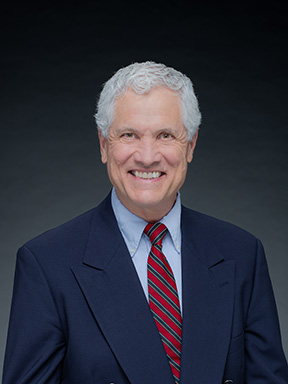
Rep. David Tarnas
Sponsored bills
Authorizes naturopathic physicians to provide written certifications to qualified patients for the medical use of cannabis.
Reduces, then later exempts, the tax collected on the sale of groceries that are eligible under the supplemental nutrition assistance program or special supplemental nutrition program for women, infants, and children, regardless of the means of purchase and the program eligibility of the purchaser. Reduces, then later exempts, the tax collected for the sale of nonprescription drugs.
Establishes the natural resource management commission and special fund. Repeals the allocation of transient accommodations tax revenues to the special land and development fund. Allocates transient accommodations tax revenues to the natural resource management special fund. Appropriates funds from the natural resource management special fund for the purposes of the fund and administrative, office, and staffing expenses.
Establishes provisional or associate level licensure requirements for marriage and family therapists, mental health counselors, and psychologists and authorizes insurance reimbursements in certain circumstances. Allows psychologist license applicants to take licensing examinations before completing other requirements.
Beginning on January 1, 2024, permits manufacturers of investigational drugs or biological products to make these drugs and products available to terminally ill patients under certain conditions.
Clarifies reimbursement for services provided through telehealth via an interactive telecommunications system. Defines "interactive telecommunications system". Clarifies that, for services furnished for purposes of diagnosis, evaluation, or treatment of a mental health disorder to a patient in the patient's home, interactive telecommunications may include audio-only communication in certain circumstances.
Prohibits a covered entity from disclosing communication or information relating to reproductive health care services. Prohibits the issuance of a subpoena in connection with an out-of-state proceeding relating to reproductive health care services legally performed in the State. Prohibits agencies from providing information or expending resources in the furtherance of interstate investigations or proceedings relating to reproductive health care services. Prohibits the State from penalizing, prosecuting, or otherwise taking adverse action based on pregnancy outcomes or aiding or assisting a pregnant individual with accessing reproductive health care services. Requires the governor to deny any demand for surrender of a person charged with a crime involving reproductive health care services unless the conduct constitutes a crime in the State. Enumerates laws contrary to public policy and prohibits their application as rules of decision in the courts. Prohibits the issuance of a summons for persons to testify in another state with regard to lawful reproductive health care services. Clarifies under various licensing statutes that the provision or assistance in receipt or provision of medical, surgical, pharmaceutical, counseling, or referral services related to the human reproductive system cannot form a basis for disciplinary action. Prohibits the enforcement of a judgment or order arising from a foreign penal civil action or other penal law with respect to reproductive health care services.

Makes comprehensive updates to chapter 436E, Hawaii Revised Statutes, regarding acupuncture practitioners, to reflect modernized scopes of practice, titles, and licensing and renewal requirements. Beginning with the renewal for the licensing biennium commencing 7/1/2025, requires licensees to complete continuing education as determined by the board. Allows the board of acupuncture to issue licenses by reciprocity.
Legalizes, regulates, and taxes cannabis and manufactured cannabis products for responsible, adult use. Exempts sales of cannabis and manufactured cannabis products for medical use from the general excise tax. Clarifies that qualifying out-of-state patients have the same rights and privileges under the medical cannabis law. Allows qualifying out-of-state patients to cultivate medical cannabis.