

Makes the Safe Spaces for Youth Pilot Program permanent within the Office of Youth Services. Requires the program to collaborate with certain state and county departments. Authorizes the Office of Youth Services to contract with nonprofit organizations to provide shelters for homeless youth or young adults. Requires annual reports to the Legislature. Appropriates funds. (CD1)
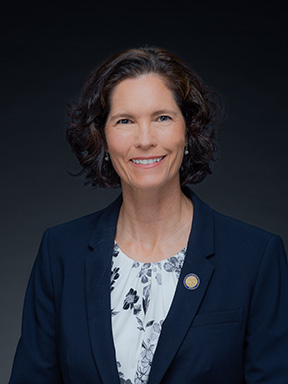
Rep. Lisa Marten
Sponsored bills
Expands existing crisis intervention programs by requiring, and appropriating funds for, the Department of Health to establish a Homeless Triage and Treatment Center Program within its Alcohol and Drug Abuse Division to serve homeless individuals and individuals at risk of homelessness with substance abuse issues or mental illness. Requires the Crisis Intervention and Diversion Services Program to redirect certain homeless persons to the appropriate health care system and services. Authorizes the program to include intensive mobile outreach services. Requires appropriations for the program to be used only for services contracted directly between the Department of Health and the service provider. (CD1)
Maddy summaryHB 474 allocates funds to the Department of Health to support its existing Fall Prevention Campaign. The bill directly affects the Department of Health by providing dedicated funding for ongoing fall prevention efforts, which target reducing injuries among older adults. Key provisions include appropriating specific budget resources to sustain current campaign activities like community outreach and safety education. This is a funding measure, not a new policy, and does not create new requirements for individuals or organizations.
Establishes, with certain exceptions, standardized cognitive assessments for qualified Medicare beneficiaries. Establishes a two-year Dementia Data Pilot Program within the Executive Office on Aging to collect and analyze cognitive assessment data. Requires the Executive Office on Aging to report de-identified aggregated data to the Legislature. (CD1)
Establishes safe riding behaviors for electric bicycles. Prohibits the operation of high-speed electric devices in certain locations. Establishes labeling and signage requirements for electric bicycles. Prohibits the operation of a moped or electric motorcycle in certain locations. Amends the definition of "bicycle" for purposes of county vehicular taxes. Defines "electric bicycle" in place of "low-speed electric bicycle". Defines "electric micro-mobility device" and requires the same regulations as electric foot scooters to apply to electric micro-mobility devices. Prohibits a person under the age of sixteen from operating a class 3 electric bicycle. Authorizes a person under the age of fourteen to operate class 2 electric bicycles under supervision. Prohibits a person from riding a class 3 electric bicycle on a sidewalk. Authorizes a person to ride a class 1 or class 2 electric bicycle on a sidewalk under certain circumstances. Prohibits a person from operating a bicycle or electric foot scooter under the age of eighteen without a helmet. Repeals the requirement that moped drivers use bicycle lanes. Substitutes the word "motor-driven cycle" with the word "motor scooter". (CD1)
Establishes a Medi-Medi Project within the Executive Office on Aging to assist older adults, Medicare beneficiaries, individuals with disabilities, and other underserved populations who may qualify for various low-income subsidy programs to gain access to their benefits. Requires the Executive Office on Aging to submit reports to the Legislature. Appropriates funds for staff and operating expenses. Requires and appropriates funds for the Executive Office on Aging to develop a one-year pilot project to provide the Medi-Medi Project to kupuna and families living in a disadvantaged community, specifically the Kalihi Valley catchment areas. (CD1)
Maddy summaryHB 703 extends the deadline for the State Rent Supplement Program for Kupuna (Hawaiian elders) from its original sunset date to June 30, 2028. This bill directly affects low-income Kupuna residents in Hawaii who rely on the program to help cover housing costs. The key provision is simply extending the program's operational deadline, ensuring continued eligibility for participants without altering the program's structure or funding. As a procedural extension, the bill does not introduce new benefits or requirements.
Increases transparency and accountability surrounding property forfeiture. Clarifies which property is subject to forfeiture. Amends the authorized disposition of forfeited property and the proceeds thereof. Requires the Attorney General to adopt rules necessary to carry out the purpose of the Hawaii Omnibus Criminal Forfeiture Act. Repeals language that requires the Hawaii Omnibus Criminal Forfeiture Act to be construed liberally. (CD1)
Maddy summaryHB 957 designates the first Friday in May of each year as "Laulau Day" in the State, recognizing cultural significance through a ceremonial observance. This procedural bill has no direct policy impact or affected parties beyond statewide recognition of the day. It contains no substantive policy changes or mechanisms, as it solely establishes an annual date for commemoration. The bill was recently recommended for passage by the committee with amendments.
Repeals the construction cost component of school impact fees. Exempts government housing developments, affordable housing units and projects, and Hawaiian home lands housing from school impact fees. Requires the School Facilities Authority to adopt rules governing fee collection. Increases the minimum number of units in a development to trigger land dedication provisions of the land component impact fee. Requires a report to the Legislature on program efficacy. Sunsets 7/1/2029. (CD1)