

Allows an existing cesspool that lawfully serves a single dwelling or dwelling unit in a priority level 3 area to continue serving that dwelling or dwelling unit and additional bedrooms constructed on the same parcel and within the existing dwelling or dwelling unit, subject to certain conditions. Authorizes the Department of Health to adopt rules and restrict additional bedrooms where evidence demonstrates that continued cesspool use impacts water quality or human health. Effective 7/1/3000. (HD2)
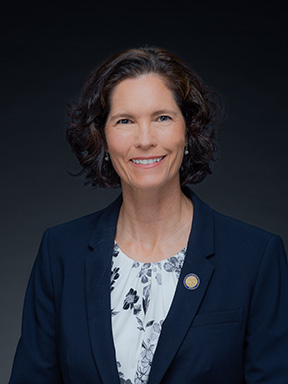
Rep. Lisa Marten
Sponsored bills
PART II: Allows certain extensions of the deadline for cesspool conversions. Establishes a goal for the Department of Health to prioritize the upgrade, conversion, or connection of cesspools that pose the highest risk to human health or the environment. PART III: Authorizes and appropriates funds to the Department of Health to retain qualified consultants as necessary to identify necessary public outreach and education resources and tools and develop a comprehensive public outreach strategy and website to educate property owners and wastewater industry professionals about information and resources regarding the State's cesspool upgrade, conversion, and connection requirements and deadlines. Effective 7/1/3000. (HD1)
Requires owners or lessees of real property to maintain their property and establish penalties for failure to do so. Allows for exceptions. Requires DOA to establish rules for the enforcement and collection of fines for violations relating to the proliferation of invasive species. Requires the Office of the State Fire Marshal to adopt rules for the enforcement and collection of fines for violations relating to the prevention of wildfires and other public safety hazards. Effective 7/1/3000. (HD1)
Expands the definitions of "preceptor" and "volunteer-based supervised clinical training rotation" to improve accessibility for providers to receive income tax credits for acting as preceptors, including removing "primary care" from the criteria to qualify as a preceptor. Adds dietitians, physician assistants, and social workers to the list of preceptors and eligible students. Expands eligibility for the tax credit to include accredited residency programs that require preceptor support. Adds the Director of Health and representatives of residency programs with eligible students to the Preceptor Credit Assurance Committee. Applies to taxable years beginning after 12/31/2025. Effective 12/31/2050. (SD2)
Establishes the Health Information Technology Infrastructure Grant Program within the Department of Health, to be administered by the State Health Planning and Development Agency, to support health information technology infrastructure and the implementation of interoperable health information technologies in federally qualified health centers, rural health clinics, Ryan White HIV/AIDS Program centers, and Native Hawaiian health centers. Appropriates funds for the grant program. Effective 12/31/2050. (SD1)
Requires the Department of Human Services to allow a full earned income disregard for individuals with disabilities who are between the ages of sixteen and sixty-four years when determining eligibility for Medicaid. Takes effect upon approval by the Centers for Medicare and Medicaid Services. Effective 7/1/3000. (HD1)
Prohibits a student from using a telecommunication device on school grounds during the instructional day, with certain exceptions. Requires a confiscated telecommunication device to be released only to the student's parent or legal guardian, who has three months to retrieve the device before it is subject to forfeiture. Effective 7/1/3000. (HD2)
Declares feral chickens on public lands as a public nuisance and controllable pest in a city with a population of three hundred thousand or more. Prohibits supporting feral chickens on public lands, including by feeding chickens. Prohibits the abandonment of chickens on public lands or on private property without consent. Establishes fines and authorized enforcing agencies. Appropriates funds for the receipt, handling, and humane disposition of feral chickens that have already been caught. Effective 7/1/3000. (HD2)
Maddy summaryHB 1742 authorizes the construction and occupancy of self-contained temporary housing units (like modular or portable homes with basic living facilities), directly affecting housing developers, property owners, and residents seeking such housing. The bill establishes a legal framework for these units but includes unspecified restrictions on their use, location, or design. It does not specify additional requirements like safety standards or tenant protections, focusing solely on permitting the units' existence. This is a substantive housing policy change, not a procedural measure.
Maddy summaryHB 1799 allows counties to include commercial development projects within their existing authority to test and demonstrate new initiatives. It directly affects counties by expanding their ability to experiment with commercial ventures as part of local pilot programs. The key provision amends current law to explicitly permit counties to develop commercial projects under their experimental authority, rather than requiring separate approvals. This change streamlines how counties can pursue economic development through pilot programs without additional legislative steps. The bill passed committee with all members voting in favor on February 6, 2026.