

Establishes a Compensatory Time Cash-Out Pilot Program for eligible employees of the Department of Corrections and Rehabilitation who work in any state correctional facility. Appropriates funds.
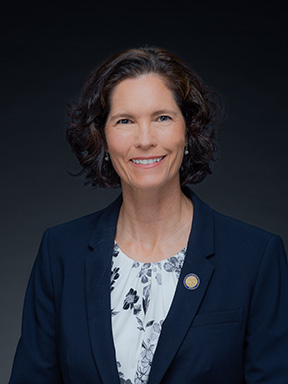
Rep. Lisa Marten
Sponsored bills
Maddy summaryHB 149 requires domestic and foreign corporations operating in the state to provide shareholders with annual reports detailing their political spending, including independent expenditures and contributions to candidates or causes. This directly affects all corporations subject to state jurisdiction, mandating transparency about their political activity. The key provision is the requirement for these reports to be shared with shareholders, increasing visibility into corporate political influence. The bill aims to clarify corporate political spending practices without altering campaign finance rules.
Creates the Aloha Aina Land Trust to rehabilitate and manage lands transferred by the United States military to the State after the leases for those lands expires. Appropriates funds.
Maddy summaryHB 1381 creates a working group within the judiciary to improve legal services for youth in the child welfare system. The group will develop strategies to address gaps in legal representation for young people navigating foster care or other child welfare cases. The bill provides funding to support the working group's operations and meetings. This directly affects youth in the state's child welfare system by aiming to ensure they have better access to legal assistance during critical proceedings.
Establishes base selection criteria for exceptional trees. Establishes the significant tree designation, selection criteria, and related processes. Establishes the State Arborist Advisory Committee within the Department of Land and Natural Resources for administrative purposes. Requires County Arborist Advisory Committees to have at least six members, adopt new exceptional tree selection criteria, and designate significant trees. Directs the Department of Land and Natural Resources and the University of Hawaii to cooperate with State and County Arborist Advisory Committees to carry out the Exceptional Trees Program.
Establishes the Homeless Services Special Fund. Allows counties to apply for matching funds from the Affordable Homeownership Revolving Fund for certain housing projects. Increases the conveyance tax rates for certain properties. Establishes conveyance tax rates for multifamily residential properties. Establishes new exemptions to the conveyance tax. Allocates collected conveyance taxes to the Affordable Homeownership Revolving Fund, Homeless Services Fund, and Dwelling Unit Revolving Fund. Amends allocations to the Land Conservation Fund and Rental Housing Revolving Fund. Effective 7/1/2026.
Beginning with the 2025-2026 school year, requires the Department of Education to establish a cardiopulmonary resuscitation and automated external defibrillator training program for public school students in grades six through twelve as part of existing health or physical education curriculum. Beginning with the 2025-2026 school year, requires the establishment of a cardiac emergency response plan in all public elementary, middle, intermediate, and high schools in the State.
Amends the environmental response, energy, and food security tax to address carbon emissions. Incrementally increases the tax rate over time. Establishes a refundable tax credit to mitigate the effect of a carbon emissions tax on taxpayers. Reenacts the agricultural development and food security special fund. Requires reports to the Legislature.
Prohibits counties from permitting or allowing retention and detention ponds to be constructed except under certain conditions. Requires the Department of Health to inspect retention and detention ponds statewide. Establishes certain safety requirements. Appropriates funds.
Maddy summaryHB 1380 requires the state to ensure that all certified arborists working for the state, including those hired through contractors, follow established best management practices. This bill directly affects state-employed arborists and the contractors who provide arborist services to the state. The key provision mandates the state to enforce adherence to these best practices, rather than creating new standards. The goal is to standardize arboricultural work performed for state entities, focusing on consistent, professional care of trees and vegetation.