

Establishes a school capital improvement project modernization initiative in the School Facilities Authority to create a planning database for school facilities. Appropriates funds. Effective 7/1/3000. (HD2)
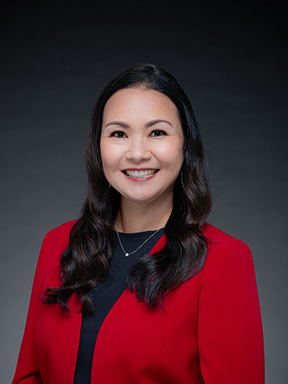
Rep. Lisa Kitagawa
Sponsored bills
Maddy summaryHB 213 allocates state funds to the Healthcare Education Loan Repayment Program, directly supporting healthcare professionals who took out education loans. The bill provides financial assistance to repay qualifying student loans for professionals working in underserved areas or specific healthcare roles. Key provisions include using state appropriations to cover a portion of eligible loan payments, reducing financial barriers for healthcare workers. The program becomes effective July 1, 3000 (a date likely indicating a placeholder or error in the abstract).
Appropriates funds for eight full-time agricultural technician, and four full-time coordinator positions at University of Hawaii at Manoa College of Tropical Agriculture and Human Resources.
Maddy summaryHB 471 requires the state Board of Education to create Korean language programs in public schools and allocates funding for these initiatives. The bill directly affects school districts, which would implement the programs, and students who would have access to Korean language learning opportunities. Key provisions include mandating the Board to establish the programs and providing dedicated state funds to support their development and operation. This is a substantive policy change focused on expanding language education options, not a procedural measure.
Establishes a two-year pilot program that, beginning with the 2025-2026 school year, requires the Department of Education to provide free school lunch to all students enrolled at a department school. Requires reports to the Legislature. Appropriates funds. Repeals on 6/30/2027.
Maddy summaryHB 183 would expand the state's Earned Income Tax Credit (EITC) by allowing qualifying low-income working parents to claim an additional credit if they have a dependent child under 18. This directly affects families with children in that age group who currently qualify for the base EITC but may not receive the full benefit. The key provision adds a specific credit amount tied to having a dependent under 18, increasing the total refundable credit available. The bill is currently pending in committee review and has not yet been enacted into law.
Establishes and provides criteria for overdose prevention centers, including standards for the Department of Health to designate certain facilities as overdose prevention centers. Establishes an Overdose Prevention Center Oversight Committee. Provides immunity from state criminal prosecution for certain offenses for persons using a designated overdose prevention center and persons operating a designated overdose prevention center.
Authorizes a registered pharmacist under contract with a covered entity for purposes of the federal 340B Drug Pricing Program to supervise via telehealth the filling or receipt of a prescription in certain circumstances.
Authorizes the Clean Energy and Energy Efficiency Revolving Loan Fund to be used to provide financial assistance to underserved ratepayers, in addition to other eligible borrowers. Appropriates funds into and out of the Clean Energy and Energy Efficiency Revolving Loan Fund. Effective 7/1/3000. (SD1)
Maddy summaryHB 625 establishes a state-funded incentive program to attract and retain nationally certified school psychologists in public schools. It directly affects qualified school psychologists by providing financial incentives through appropriated state funds. The bill creates a mechanism where eligible psychologists receive annual payments upon meeting certification and employment requirements. The program is scheduled to take effect on July 1, 3000, and recently passed the Education Committee with 10 supportive votes. This is a funding-based policy change focused on addressing staffing needs in school mental health services.