

Maddy summaryHB 282 would allow tipped employees, such as restaurant servers and bartenders, to deduct the tips they receive from their taxable income. This reduces the portion of their earnings subject to income tax. The bill directly affects workers who rely on tips as part of their income. It provides a concrete tax change without altering other tax rates or brackets.
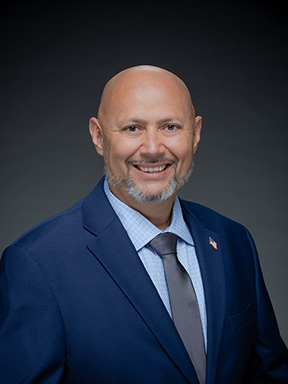
Rep. Chris Muraoka
Sponsored bills
Maddy summaryHB 1251 would create a refundable income tax credit for property owners whose real estate insurance premiums increased. It directly helps these property owners by refunding the exact amount of their higher insurance costs through their tax returns. The credit applies to properties affected by rising insurance premiums, though the bill does not specify exact property types or thresholds. This policy change aims to offset financial burdens caused by insurance cost increases without requiring new tax payments.
Establishes penalties for property managers and owners of real property on or in which massage parlors or similar prostitution establishments are located. Requires workers to be treated as victims and offered resources. Appropriates funds.
Maddy summaryHB 1489 allocates state funds to the Department of Human Services (DHS) to administer core homelessness services. It directly affects individuals experiencing homelessness by providing resources for essential support programs, though the specific services (e.g., shelters, case management) are not detailed in the abstract. The bill’s key mechanism is funding distribution through DHS, requiring the department to manage these services under the state’s homelessness strategy. As of its current status, the bill is pending in the 2026 Regular Session after being referred to relevant committees in 2025.
Establishes the Hawaii Community Housing and Rental Oversight Agency within the Department of Commerce and Consumer Affairs to establish and oversee a process for receiving and addressing complaints relating to short-term vacation rentals, in coordination with the county planning departments. Establishes penalties for noncompliance. Prohibits persons with interests in short-term vacation rentals from serving on governing boards of planned communities and condominiums. Appropriates moneys.
Requires the Department of Education to assign school resource officers to department public schools and charter schools. Encourages the employment of qualified retirees from the local police departments and department of law enforcement. Appropriates funds for these positions.
Establishes within the Department of Land and Natural Resources a permitting system for the use of unmanned aerial vehicles in the taking of aquatic life. Repeals prohibition on the use of unmanned aerial vehicles in the taking of aquatic life. Provides a timeline for implementation of the permitting system.
Maddy summaryHB 290 establishes that crimes committed against individuals aged 60 or older automatically qualify as crimes against elders, creating strict liability based solely on the victim's age. This means any criminal act against someone 60+ would trigger enhanced penalties under this law, directly affecting elderly victims and potentially altering sentencing for offenders. The key provision removes the need to prove the perpetrator knew the victim's age, making the victim's age a decisive factor in classification. The bill is currently pending in the 2026 legislative session after being introduced in January 2025.
Maddy summaryHB 520 would exempt tips received by employees from state income tax calculations, meaning tip income would no longer count toward an employee's taxable income. This directly affects service industry workers, such as servers and bartenders, who rely on tips as part of their earnings. The bill removes tips from gross income, adjusted gross income, and taxable income for state tax purposes. Currently pending in committee, the bill has not advanced beyond the referral stage in the 2025 session.
Exempts food and groceries from the general excise tax. Expands a 2024 session law exempting certain medical and dental services to include all medical and dental services.