

Maddy summaryThis bill urges the Hawaii Department of Education to provide students with information on how to preregister to vote before they reach voting age. It specifically requests that schools distribute materials on voter eligibility, registration procedures, and opportunities to volunteer at voter service centers. The resolution also asks the department to designate the last two weeks of September as a dedicated period for voter registration activities and to ensure resources are available for students with disabilities. This measure is non-binding and does not mandate any specific actions, instead serving as a formal recommendation to the education department.
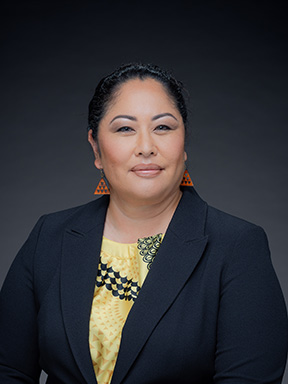
Rep. Julie Reyes Oda
Sponsored bills
Maddy summaryThis bill asks Hawaii's Department of Business, Economic Development, and Tourism to study how to help more people living in Hawaii work remotely for companies based outside the state. The study would examine ways to make it easier for out-of-state employers to hire Hawaii residents by clarifying tax rules, simplifying registration requirements, and ensuring worker protections are maintained. The department must also consider policies that prioritize opportunities for long-term Hawaii residents and submit a report with findings and recommendations to the Legislature by early 2027. This is a non-binding resolution that directs an evaluation rather than creating immediate new laws or regulations.
Maddy summaryThis bill is a non-binding resolution urging the Hawaii Department of Education to officially recognize robotics as an interscholastic sport and to allocate state funding to support robotics programs throughout the state. It highlights concerns that recent funding cuts and a lack of consistent resources have caused many school robotics teams to disband, threatening student access to STEM education and competitive opportunities. The resolution requests the Department of Education to conduct an assessment to determine the appropriate fiscal support needed to maintain these programs and directs copies of the resolution to key education officials. As a concurrent resolution, it does not create immediate legal obligations but serves as a formal recommendation to the Department of Education.
Maddy summaryThis House Resolution requests that all state agencies in Hawaii use bi-level lighting systems in new buildings starting January 1, 2027. Bi-level lighting adjusts brightness based on motion sensors to reduce energy waste and lower electricity costs. The resolution directs copies to various state officials and agencies to implement this change in future construction projects.
Maddy summaryThis bill requests that all state agencies install bi-level lighting systems in new state buildings and facilities starting January 1, 2027. Bi-level lighting uses motion sensors to adjust brightness based on occupancy, reducing energy waste compared to traditional systems that stay at full intensity. The resolution directs the House of Representatives to send copies to various state officials, including the Governor and agency directors, to implement this energy-saving measure.
Maddy summaryThis bill urges Hawaii's Department of Education to create a plan for transitioning its public school buses to electric vehicles. The resolution cites existing state laws requiring greenhouse gas reduction and energy independence, while highlighting benefits observed in other districts like Oakland, including lower operating costs, improved air quality, and enhanced disaster response capabilities. The Department of Education is asked to collaborate with stakeholders, study the Oakland model, and submit a report with recommendations to the Legislature by early 2027. As a concurrent resolution, this document serves as a formal recommendation rather than a law that directly mandates funding or immediate changes.
Maddy summaryThis House Resolution urges all businesses and commercial establishments operating on Department of Hawaiian Home Lands property to display a portrait of Prince Jonah Kūhiō Kalanianaʻole in a visible and prominent location. The resolution highlights Prince Kūhiō's significant contributions to Native Hawaiian history, including his role in establishing the Hawaiian Homes Commission Act, which set aside land for Native Hawaiian homesteads. While the measure does not mandate compliance, it formally requests that these businesses honor the legacy of the Hawaiian statesman who served as a territorial delegate and championed Native Hawaiian land rights. The resolution is intended to promote awareness of Prince Kūhiō's accomplishments and ensure his image is recognized within the Department of Hawaiian Home Lands facilities.
Maddy summaryThis bill requests the Auditor to evaluate the social and financial impacts of a proposed mandate requiring health insurers to cover generic opioid antagonists and related devices. The resolution directs the Auditor to prepare a report analyzing costs, benefits, and potential effects on individuals with opioid use disorders, as required by state law before such coverage mandates are enacted. The report must be completed and submitted to the Legislature by late February 2027. This procedural measure does not change insurance coverage itself but ensures a formal assessment is conducted before any related legislation takes effect.
Maddy summaryThis bill urges all businesses and commercial establishments operating on Department of Hawaiian Home Lands property to display a portrait of Prince Jonah Kūhiō Kalanianaʻole in a visible and prominent location. The resolution highlights his historical significance as a Hawaiian leader who championed the Hawaiian Homes Commission Act, which established land trusts for Native Hawaiians. While the bill does not impose legal requirements, it formally requests that these businesses honor Kalanianaʻole's legacy by displaying his portrait. The measure is directed at entities operating within the Department of Hawaiian Home Lands, including those managing the 203,981 acres of trust lands.
Maddy summaryThis bill encourages the Hawaii State Department of Education to collaborate with the Office of Hawaiian Education to form a working group that would explore creating a K-12 Hawaiian language immersion campus in West Oahu. The working group would meet quarterly for one year to develop a plan, including potential locations, enrollment estimates, governance structures, teacher recruitment strategies, and an implementation timeline targeting establishment by 2040. The group would consist of 15 members representing state education agencies, universities, community organizations, parents, and elected officials to ensure diverse input on the proposal.