

Exempts food and groceries from the general excise tax. Expands a 2024 session law exempting certain medical and dental services to include all medical and dental services.
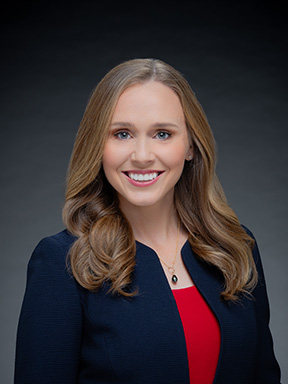
Rep. Lauren Matsumoto
Sponsored bills
Amends the definition of "dangerous to self". Defines the terms "gravely disabled" and "psychiatric deterioration". Broadens the term of "imminently dangerous to self and others". Increases the maximum period of emergency hospitalization.
Requires the office of legislative analyst to produce fiscal notes on all fiscal bills. Prohibits a committee from making a decision on a fiscal bill without a fiscal note. Mandates that fiscal notes be made available to the public. Appropriates funds.
Requires the department of education to prohibit cell phone use during the instructional day, prohibit student access to social media through the school's internet, and implement a social media education campaign. Creates exemptions for students requiring accommodations, emergency situations, and teacher authorizations.
Establishes a paid family leave program for state and county employees. Authorizes a qualifying employee to take up to twelve weeks of paid leave for the birth or placement of a child or to care for a family member who has a serious health condition.
Maddy summaryHB 263 would exempt full-time college students from vehicle weight taxes. The bill adds a specific exemption to the tax code, eliminating this cost for students enrolled full-time at accredited colleges. This change directly affects eligible students who own vehicles subject to the tax. The exemption would apply to all qualifying vehicles under existing tax regulations.
Requires the Department of Education to implement dyslexia-sensitive universal screenings and evidence-based interventions, offer professional development on structured literacy and evidenced-based interventions, and support pre-teacher programs in training candidates in structured literary instruction. Appropriates funds. Effective 7/1/3000. (HD1)
Maddy summaryHB 942 allocates state funds to the Department of Health to pay community-based health organizations for contracted health care services. It directly affects local clinics, nonprofits, and social service providers that deliver health care in communities. The key mechanism is directing state funding through the Department of Health to these organizations, rather than changing eligibility or service requirements. This is a funding bill focused on resource allocation, not altering health care policy or patient access rules.
Establishes the Spay and Neuter Special Fund to reduce pet overpopulation and the reproduction of free-roaming cats. Establishes various revenue and fundraising sources for the special fund. Appropriates funds. Effective 7/1/3000. (HD2)
Requires counties to grant building permits within sixty days if the application is stamped and certified by a licensed engineer and architect and other certain conditions are met.