

Maddy summaryThis House Resolution (HR 36) encourages all counties in Hawaii to develop their own biosecurity plans focused on local invasive species threats. It does not create new laws but urges counties to prioritize their unique needs - such as climate, agriculture, or transportation risks - in creating these plans. The resolution also recommends counties collaborate with each other, the state Department of Agriculture, and the Hawaii Invasive Species Council. It is a non-binding recommendation, not a mandate.
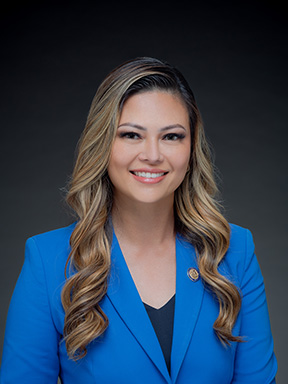
Rep. Trish La Chica
Sponsored bills
Maddy summaryThis House Resolution (HR 106) requests the State Auditor to audit the Hawaii Department of Education's capital improvement project finances. It directs the audit to examine how funds were spent since 2021, including project prioritization, to address $2 billion in unspent capital funds and ensure efficient repairs for aging school facilities (over 20% of schools are 100+ years old). The Auditor must submit findings and recommendations to the Legislature by January 2026. The resolution does not allocate new funds or change policies, but seeks transparency in existing spending.
Maddy summaryHCR 110 is a concurrent resolution requesting the State Auditor to audit the Hawaii Department of Education's capital improvement project finances since 2021. The audit will examine how $1 billion in capital funds was spent (received during 2021-2023), including project prioritization, and address $2 billion in unspent funds as of January 2024. The Auditor must submit a report to the Legislature by February 2026, detailing findings and potential recommendations to improve transparency and efficiency in school facility repairs.
Creates a School Psychologists Working Group within the Department of Education to recommend actionable steps or propose legislation for an immediate pathway to licensure for school psychologists that can be acted upon in 2026. Requires a report to the Legislature. Takes effect 7/1/2050. (SD1)
Maddy summaryHCR 189 is a resolution urging Hawaii’s Department of Health and University of Hawaii Water Resources Research Center to incentivize wastewater treatment plants to test sewage sludge, reclaimed water, and other residuals for PFAS (perfluoroalkyl and polyfluoroalkyl substances), known as "forever chemicals" that persist in the environment. It does not create new laws but calls for testing to prevent PFAS from entering food chains through agricultural use of contaminated materials, which can cause health risks like cancer and reproductive issues. The resolution specifically targets wastewater plants that supply materials for farming or irrigation, emphasizing testing as a step to protect public health and ecosystems. This is a non-binding request, not a regulatory mandate, focused on encouraging proactive testing and management.
Maddy summaryHR 183 is a non-binding House Resolution urging Hawaii's Department of Health and the University of Hawaii Water Resources Research Center to incentivize wastewater treatment plants to test sewage sludge, reclaimed water, and other residuals for PFAS (forever chemicals). It does not create new laws but calls for testing to prevent PFAS contamination in agricultural use and drinking water sources. The resolution specifically requests administrative rules for safe disposal of PFAS-containing materials and restrictions on land application where PFAS is detected. This affects wastewater facilities, farms using reclaimed water, and public health by addressing PFAS exposure risks linked to food chains and environmental contamination.
Maddy summaryHCR 46 is a non-binding request urging Hawaii's Department of Education to make school recreational facilities (like pools, gyms, and fields) available to the public during non-peak hours and non-school days. It aims to improve access for residents, particularly in underserved rural and low-income communities facing barriers to recreational amenities. The resolution references existing rules requiring advance online applications but seeks to expand access beyond current practice. As a concurrent resolution, it does not create new law but asks the Department of Education to act on this recommendation.
Maddy summaryHR 39 is a House Resolution requesting Hawaii's Department of Education to make public school recreational facilities (like pools, gyms, and fields) available to the public during non-peak hours and non-school days. It aims to address inequitable access to recreation, noting that 29% of U.S. residents lack walkable park access and low-income/rural communities in Hawaii face significant barriers. The resolution builds on existing rules requiring school facilities to be publicly accessible but seeks to expand access without the current 10-day online application requirement. It directly affects residents, particularly in underserved communities, by potentially increasing opportunities for physical activity outside of school hours. This is a request, not a binding law, and would require the Department of Education to act on the proposal.
Maddy summaryHB 213 appropriates state funds to support the Healthcare Education Loan Repayment Program, which helps healthcare professionals repay educational loans. The program directly assists licensed healthcare workers, such as nurses and physicians, who serve in underserved areas or specific healthcare roles. The bill specifies funding allocation with an effective date of July 1, 3000, though this date appears to be a placeholder error. No additional details about eligibility, funding amounts, or program administration are provided in the available context.
Authorizes the Clean Energy and Energy Efficiency Revolving Loan Fund to be used to provide financial assistance to underserved ratepayers, in addition to other eligible borrowers. Appropriates funds into and out of the Clean Energy and Energy Efficiency Revolving Loan Fund. Effective 7/1/3000. (SD1)