

Maddy summaryThis bill requests that each county's planning department create building permit requirements to make parking and business hours more accessible for older adults, known as kupuna. It would require private businesses and shopping malls to set aside special hours when kupuna can enter more easily and increase the number of designated parking spaces for both disabled and non-disabled older adults. The resolution is a non-binding request to county officials rather than a law that mandates immediate changes, so it does not directly affect businesses or residents on its own. Its purpose is to encourage local governments to consider the needs of Hawaii's aging population when updating building codes and parking standards.
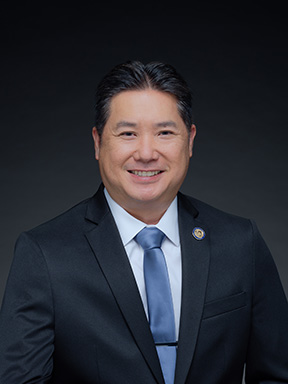
Rep. Cory Chun
Sponsored bills
Maddy summaryThis bill requests the Hawaii Department of Agriculture and Biosecurity to form a working group focused on improving consumer awareness of invasive plant species and reducing their spread through plant sales. The working group would develop a comprehensive labeling system to indicate the invasiveness risk of plants sold in the state, aiming to help buyers make more informed decisions. The group would include representatives from various agricultural, retail, and environmental organizations and must submit its findings and recommendations to the Legislature by early 2027. This initiative is designed to address the fact that most invasive plants in Hawaii are imported intentionally through horticulture, with the current list of prohibited species last updated in 1992.
Maddy summaryThis bill urges the Hawaii Department of Education to officially recognize competitive cheerleading as a Title IX sport, which would grant high school cheer athletes the same resources and protections as other varsity sports. The resolution requests that the state education department develop guidelines and safety standards in collaboration with the Hawaii High School Athletic Association to meet federal criteria for classifying cheerleading as a sport. By doing so, the bill aims to ensure equitable access to certified coaching, athletic training, facilities, and transportation for female cheerleaders while promoting gender equity in school athletics. This is a non-binding resolution that calls for administrative action rather than creating new laws.
Maddy summaryThis House Resolution asks Hawaii's Department of Education to develop a plan for removing processed meats, which are classified as carcinogens, from school meals by 2032. The plan would require schools to either eliminate processed meats entirely or replace them with whole-food, scratch-made, or minimally processed plant-based alternatives. The Department must create an inventory of current menu items, outline a timeline for changes, establish nutritional standards for replacements, and estimate associated costs. The resolution directs the Department to submit a report with findings and recommendations to the Legislature within 20 days of the resolution's passage.
Maddy summaryThis House Resolution asks the Hawaii Department of Transportation and Department of Land and Natural Resources to work together on returning the state's small boat harbors to the Department of Transportation. The bill directs these two agencies to create a management team that will develop detailed plans for transferring staff, operations, and assets back to the Department of Transportation. The management team must prepare a report with recommendations for any needed legislation by early 2027 to ensure the transition happens smoothly without disrupting harbor services. This resolution serves as a planning step rather than an immediate transfer, as full legal authority changes would require separate legislation.
Maddy summaryThis bill declares that affordable housing credits issued under Hawaii state law are perpetual assets that remain valid until they are used to fulfill housing obligations, rather than having expiration dates. It directly affects counties and developers by requesting that local administrative agreements and policies do not impose time limits or restrictions on these credits beyond what state statutes authorize. The resolution aims to clarify that memoranda of agreement between counties and housing agencies are meant to facilitate credit management, not to diminish their value or transferability. By seeking alignment with existing state law, the bill intends to protect the financial incentives for developers and ensure a stable pipeline for affordable housing construction.
Maddy summaryThis bill requests the Hawaii Departments of Transportation and Land and Natural Resources to coordinate the return of small boat harbor management to the Department of Transportation. It directs both agencies to form a joint management team that will create detailed transition plans for transferring staff, operations, and assets. The team must develop organizational structures, update job descriptions, and address administrative needs before submitting a final report to the Legislature by early 2027. This resolution initiates planning for the transfer but does not enact the legal changes required to complete the move.
Maddy summaryThis bill declares that affordable housing credits issued in Hawaii are perpetual assets that remain valid until they are used to meet housing obligations, rather than expiring after a set period. It directly affects local county governments and developers who rely on these credits to fulfill affordable housing requirements under state law. The resolution clarifies that administrative agreements between counties and housing agencies should not impose expiration dates or other restrictions that are not authorized by existing statutes. By ensuring these credits maintain their full value and transferability, the bill aims to protect the financial incentives for developers and support the state's long-term housing goals.
Appropriates funds for the Department of Human Services to collaborate with contracted community-based organizations to address the need for social services in the State. Effective 12/31/2050. (SD1)
Maddy summaryHB 429 allocates state funds to hire teachers and teacher assistants and purchase equipment and services for public preschool programs. It directly affects public preschools by providing resources to improve staffing levels and facility capabilities. The bill becomes effective on July 1, 2050, after legislative approval. The measure passed committee with amendments in February 2025.