

Establishes a paid family leave program for state and county employees. Authorizes a qualifying employee to take up to 12 weeks of paid leave for the birth or placement of a child or to care for a family member who has a serious health condition. Requires the employee to agree to subsequently work for the employer for at least 12 weeks upon return to service except under certain conditions. Effective 1/1/2026.
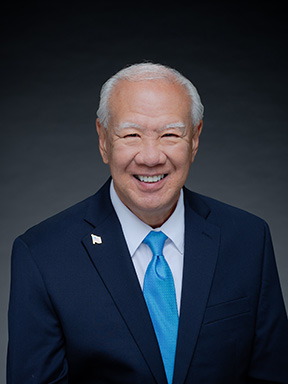
Rep. Gregg Takayama
Sponsored bills
Establishes a Compensatory Time Cash-Out Pilot Program for eligible employees of the Department of Corrections and Rehabilitation who work in any state correctional facility. Appropriates funds.
Maddy summaryHB 1381 creates a working group within the judiciary to improve legal services for youth in the child welfare system. The group will develop strategies to address gaps in legal representation for young people navigating foster care or other child welfare cases. The bill provides funding to support the working group's operations and meetings. This directly affects youth in the state's child welfare system by aiming to ensure they have better access to legal assistance during critical proceedings.
Prohibits landlords, including those operating in public housing and educational dorm settings, from renting a dwelling unit that the landlord knows has a current bed bug infestation. Establishes procedures that landlords shall take upon receiving notice of an actual or suspected bed bug infestation.
Imposes a cap on charges for searching for, reviewing, and segregating government records under the Uniform Information Practices Act. Provides for a waiver of fees in certain circumstances when the public interest is served by a government record's disclosure.
Maddy summaryHB 1287 allocates state funds for capital improvement projects within the Thirty-Fourth Representative District. The bill directly affects residents and local infrastructure in that specific district by providing financial resources for physical upgrades. Key provisions include appropriating money for projects like building repairs, facility upgrades, or infrastructure enhancements, though the abstract does not specify exact projects. As a funding measure, it does not create new policies or alter existing laws. This is a procedural bill focused solely on budget allocation for district-level improvements.
Maddy summaryHB 1288 would create a Rare Disease Advisory Council within the state Department of Health. The council would provide recommendations to the state on addressing the needs of people living with rare diseases. This bill establishes a formal advisory body to help inform state health policies and programs for rare disease patients. The bill is currently in committee referral.
Requires electronic smoking device and e-liquid manufacturers to submit certifications with the Department of Taxation annually, stating that the manufacturer's products comply with federal regulations. Requires the Department of Taxation to maintain a directory of manufacturers of electronic smoking devices and e-liquids whose certifications the Department approved. Imposes penalties.
Requires the State Auditor to conduct management and financial audits of Medicaid health care insurance contractors at least once every two years, with the first audit report to be submitted no later than twenty days prior to the Regular Session of 2027. Appropriates funds.
Maddy summaryHB 1452 expands who can legally provide an affidavit to create a new birth certificate. It allows more types of healthcare providers (beyond current limits) to submit these affidavits for certain birth registrants. This change directly affects individuals needing to establish or correct birth certificate records, particularly in situations where standard medical providers are unavailable. The bill modifies the process by broadening the list of qualified healthcare professionals authorized to verify birth information for certificate issuance.