

Part I: Establishes requirements for kauhale projects, including reporting requirements by the Statewide Office on Homelessness and Housing Solutions (OHHS). Requires the Auditor to conduct a management and performance audit of the kauhale initiative. Appropriates funds for the continued operation of the kauhale initiative. Part II: Establishes the Ohana Zones Program as a permanent program within OHHS. Appropriates funds to DHS for the continued implementation of the Ohana Zones Pilot Program. Part III: Requires OHHS to submit a report every four months to the Legislature detailing the expenditure of funds appropriated toward the kauhale and ohana zones initiatives and conduct a comprehensive needs assessment. Part IV: Changes references to the Governor's Coordinator on Homelessness to "Coordinator on Homelessness". Specifies that the Coordinator on Homelessness shall report directly to the Director of Human Services. (CD1)
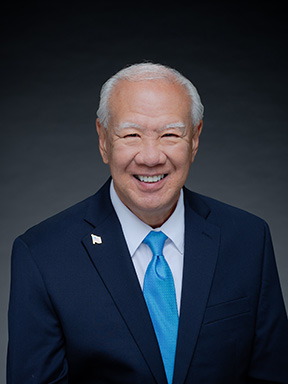
Rep. Gregg Takayama
Sponsored bills
Beginning 7/1/2026, authorizes the State Historic Preservation Division to contract its review of proposed state projects and projects affecting historic properties to third-party consultants under certain circumstances. Establishes requirements for qualified third-party consultants providing review services. Requires the project proponent to pay the reasonable fee requirements of the third-party consultant. Requires the Department of Land and Natural Resources to publish a draft of its proposed rules and later present its proposed final rules to the Board of Land and Natural Resources. Sunsets 6/30/2030. (CD1)
Expands existing crisis intervention programs by requiring, and appropriating funds for, the Department of Health to establish a Homeless Triage and Treatment Center Program within its Alcohol and Drug Abuse Division to serve homeless individuals and individuals at risk of homelessness with substance abuse issues or mental illness. Requires the Crisis Intervention and Diversion Services Program to redirect certain homeless persons to the appropriate health care system and services. Authorizes the program to include intensive mobile outreach services. Requires appropriations for the program to be used only for services contracted directly between the Department of Health and the service provider. (CD1)
Expands the Crisis Intervention and Diversion Services Program to include at least two sites on the island of Oahu, including one program in an area with a disproportionate number of individuals with mental health disorders or co-occurring mental health and substance use disorders, or both. Authorizes the use of intensive mobile treatment services as part of the Crisis Intervention and Diversion Services Program. (CD1)
Maddy summaryHB 474 allocates funds to the Department of Health to support its existing Fall Prevention Campaign. The bill directly affects the Department of Health by providing dedicated funding for ongoing fall prevention efforts, which target reducing injuries among older adults. Key provisions include appropriating specific budget resources to sustain current campaign activities like community outreach and safety education. This is a funding measure, not a new policy, and does not create new requirements for individuals or organizations.
Establishes, with certain exceptions, standardized cognitive assessments for qualified Medicare beneficiaries. Establishes a two-year Dementia Data Pilot Program within the Executive Office on Aging to collect and analyze cognitive assessment data. Requires the Executive Office on Aging to report de-identified aggregated data to the Legislature. (CD1)
Establishes a Medi-Medi Project within the Executive Office on Aging to assist older adults, Medicare beneficiaries, individuals with disabilities, and other underserved populations who may qualify for various low-income subsidy programs to gain access to their benefits. Requires the Executive Office on Aging to submit reports to the Legislature. Appropriates funds for staff and operating expenses. Requires and appropriates funds for the Executive Office on Aging to develop a one-year pilot project to provide the Medi-Medi Project to kupuna and families living in a disadvantaged community, specifically the Kalihi Valley catchment areas. (CD1)
Maddy summaryHB 703 extends the deadline for the State Rent Supplement Program for Kupuna (Hawaiian elders) from its original sunset date to June 30, 2028. This bill directly affects low-income Kupuna residents in Hawaii who rely on the program to help cover housing costs. The key provision is simply extending the program's operational deadline, ensuring continued eligibility for participants without altering the program's structure or funding. As a procedural extension, the bill does not introduce new benefits or requirements.
Increases transparency and accountability surrounding property forfeiture. Clarifies which property is subject to forfeiture. Amends the authorized disposition of forfeited property and the proceeds thereof. Requires the Attorney General to adopt rules necessary to carry out the purpose of the Hawaii Omnibus Criminal Forfeiture Act. Repeals language that requires the Hawaii Omnibus Criminal Forfeiture Act to be construed liberally. (CD1)
Permits the Department of Labor and Industrial Relations to enter into contracts with eligible employers or registered apprenticeship programs in the private sector to provide on-the-job training to eligible interns. Establishes a state internship and workforce development program. Requires the Department of Labor and Industrial Relations to collaborate with the Department of Human Resources Development for placement of interns in state executive branch departments, agencies, and programs. Provides that the State shall be the responsible employer for purposes of workers' compensation coverage for students or recent graduates in the on-the-job-training work experience program, subject to certain limitations. Appropriates funds. (CD1)