

In committee Mar 1, 2018
0 co-sponsors
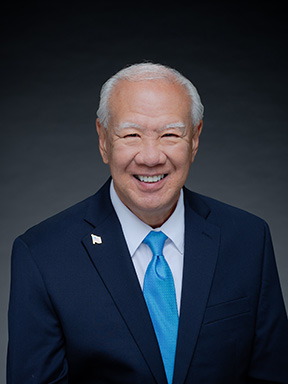
Rep. Gregg Takayama
Total votes
24,573
all sessions
Attendance
97%
559 missed
Near the chamber average
With party
99%
of cast votes
Near the chamber average
Bipartisan score
0%
crosses aisle rarely
Near the chamber average
Sponsored
2,983
bills & resolutions
Higher than 79% of chamber peers
Committees
3
assignments
2,983 bills and resolutions
Sponsored bills
Total
2,983
Primary
2,972
Co-sponsor
11
This page
2,983
matching current filters
RELATING TO HOUSING FOR NATIVE HAWAIIANS.
Authorizes the construction and use of micro housing units on Hawaiian home lands managed by DHHL, notwithstanding zoning laws, permit provisions, and building codes. Makes an appropriation to DHHL for construction of micro housing units, subject to certain conditions, and to build general organizational capacity of native Hawaiian-controlled nonprofit housing developers. (HB2473 HD1)
In committee Feb 16, 2018
0 co-sponsors
RELATING TO INCOME TAX CREDIT.
Provides a nonrefundable income tax credit to a taxpayer who purchases or modifies a personal vehicle for use by a person with a disability. Applies to taxable years beginning after December 31, 2018. (HB2231 HD1)
In committee Feb 16, 2018
0 co-sponsors
RELATING TO HOUSING.
Provides that a county shall not impose an exaction or inclusionary zoning requirement on a housing development offered exclusively for sale to buyers earning less than 140 percent of the area median income. Repeals this prohibition in five years. (HB2016 HD1)
In committee Feb 16, 2018
0 co-sponsors
RELATING TO MENTAL HEALTH FACILITIES.
Requires electronic tracking of certain patients who are allowed outside a psychiatric facility. (HB2087 HD1)
In committee Feb 16, 2018
0 co-sponsors
RELATING TO HOMELESSNESS.
Establishes the Emergency Department Homelessness Assessment Pilot Program to identify a possible correlation between multidisciplinary team interventions and the use of hospital emergency departments by individuals experiencing homelessness and makes an appropriation. (HB1761 HD1)
In committee Feb 16, 2018
0 co-sponsors
RELATING TO HOUSING ON AGRICULTURAL LAND.
Establishes requirements, conditions, and restrictions for farm dwellings and employee housing on agricultural land. Limits farm dwellings and employee housing on agricultural land to farmers and employees and immediate family members. (HB2632 HD2)
In committee Feb 16, 2018
0 co-sponsors
RELATING TO NUTRIENT CYCLING.
Establishes and appropriates funds for a Regional Nutrient Cycling Pilot Program on Maui. Requires DOA to report on the efficacy of the pilot program. (HB2102 HD2)
In committee Feb 16, 2018
0 co-sponsors
RELATING TO SOLAR ENERGY.
Requires special permit approval for solar energy facilities larger than fifteen kilowatts on one or more lots in non-conforming residential subdivisions, which have been identified by the county, located on land with soil classified with an overall productivity rating of class D or E. (HB2665 HD1)
In committee Feb 16, 2018
0 co-sponsors
RELATING TO PUBLIC SAFETY OF HAWAII'S WATER.
Requires DOH to study the protection of waters in the State. The study shall identify state statutes that rely on, or are applied in conjunction with, the federal Clean Water Act, prior to the issuance of the Clean Water Rule; identify waters that are at risk of pollution or contamination; and recommend how the State can prepare for and address water pollution or contamination risks, including disasters. Appropriates moneys for the study. (HB1708 HD1)
In committee Feb 16, 2018
0 co-sponsors
Ask Maddy
·
AI policy assistant
Ask Maddy about Gregg Takayama
Scope: HI
Hi! I can help you understand Gregg Takayama's legislative record. What would you like to know?
Try one of these
i
Maddy answers using official bill text and legislative records. Always verify before sharing.
Sources cited inline