Establishes the shipping container inspection program and shipping container inspection program special fund. Increases the maximum fine for each violation of the fireworks law. Requires PSD to submit reports to the legislature on implementation of the shipping container inspection program.
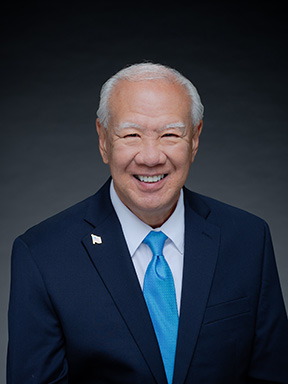
Rep. Gregg Takayama
Sponsored bills
Requires the public utilities commission to ensure consumers are provided with access to information services, including internet services, that are available at just, reasonable, and nondiscriminatory uncapped rates.
Requires public and charter schools to offer education in computer science. Requires annual reports. Effective 7/1/2050. (HD1)
Allows persons with a mental illness to participate in the vending facilities program. Limits vending facilities owned or operated by persons with mental health disorders to only those state or county public buildings not currently occupied by blind or visually handicapped vendors.
Authorizes counties to establish a program for commissioned volunteer enforcement officers to assist their police department with specified enforcement actions within their traffic division.
Changes the renewal period for driver licenses from every two years to every four years for persons 72 years of age or older.
Establishes freedom of press protections for student journalists producing school-sponsored media or university-sponsored media unless subject to certain exceptions.
Establishes a road connectivity task force to assess and identify ways of improving road access in rural areas and in subdivisions with substandard roads. Requires a report to the legislature.
Clarifies that persons that enter private property for recreational purposes have no cause of action, unless exempted under law. Requires a court to award attorneys' fees and costs to landowners if plaintiffs bring unreasonable claims. States that, as a matter of law, persons participating in outdoor recreational activities accept the inherent dangers in the activities.
Allows boards to use interactive conference technology to remotely conduct public meetings under the sunshine law in conjunction with in-person meetings, even when no emergency has been declared by government authorities. Authorizes boards to exclude the public from nonpublic locations, such as homes, where board members are physically present when remote board meetings are held by interactive conference technology. Establishes requirements for the conduct of remote meetings. Establishes a new notice requirement to provide the board's contact information for the submission of written testimony by electronic or postal mail. Amends existing option to hold in-person meetings at multiple public meeting sites connected by interactive conference technology to require termination of meeting only if audio communication is lost and cannot be reestablished within an hour and the board had not provided reasonable notice of how the meeting would be continued. Allows for additional courtesy sites open to the public for remote and in-person meetings held by interactive conference technology. Allows for contact tracing and social distancing during states of emergency caused by contagious diseases. Effective 7/1/2050. (HD1)