

Requires the Department of Education's existing Free Application for Federal Student Aid (FAFSA) working group to create a state plan to make completion of the FAFSA or an opt-out waiver a statewide graduation requirement by the 2027-2028 school year. Requires a report to the 2026 legislature.
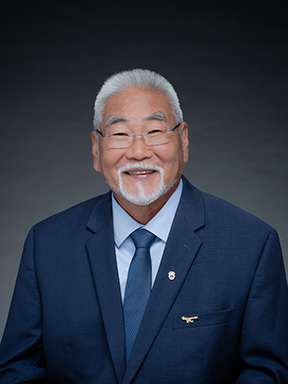
Rep. Sam Kong
Sponsored bills
Maddy summaryHB 471 requires the state Board of Education to create a Korean language program in public schools and appropriates funding for it. This bill directly affects school districts that would implement the program and students seeking Korean language education. The key provision mandates the Board to establish the program using designated state funds. Currently, the bill has been referred to education and finance committees but was recommended for deferral by the committee on January 30, 2025.
Clarifies that persons who enter private property for recreational purposes have no cause of action, unless exempted under law. Requires courts to award attorneys' fees and costs to landowners if plaintiffs bring unreasonable actions. Establishes, as a matter of law, that persons participating in outdoor recreational activities accept the inherent risks, dangers, or hazards in the activities. Clarifies the definitions for "recreational purpose" and "recreational user".
Maddy summaryHB 1441 creates a new criminal offense for "organized retail theft," defined as coordinated thefts involving multiple people or large-scale operations targeting retail businesses. It establishes specific penalties for this offense, including potential fines and imprisonment. The bill also mandates the creation of an organized retail theft task force to investigate and address such incidents. This legislation directly affects retail businesses, law enforcement agencies, and individuals committing organized theft. The task force will coordinate efforts between state and local authorities to tackle this specific type of crime.
Maddy summaryHB 1288 would create a Rare Disease Advisory Council within the state Department of Health. The council would provide recommendations to the state on addressing the needs of people living with rare diseases. This bill establishes a formal advisory body to help inform state health policies and programs for rare disease patients. The bill is currently in committee referral.
Maddy summaryHB 1340 makes it a more serious offense to commit any crime against a person aged 60 or older, regardless of the perpetrator's intent. The bill establishes "strict liability," meaning the crime is automatically treated as aggravated solely because the victim was elderly. This directly affects older adults (60+) who are victims of crimes and the individuals who commit those crimes. The bill is newly introduced (first reading on January 23, 2025) and currently referred to committees for review.
Beginning with the 2026-2027 school year, requires the Department of Education to include the teaching of financial literacy in kindergarten through grade twelve. Requires students in grades nine through twelve to complete a one-half credit in financial literacy before graduation. Requires the Board of Education to provide professional development to teachers who are teaching financial literacy courses.
Establishes notice requirements for employers under Hawaii's Workers' Compensation Law. Requires employers who deny the compensability of an employee's injury to submit a written report supporting the denial to the Director of Labor and Industrial Relations within a specified period. Requires employers to furnish to the injured employee up to $10,000 for medical care, services, and supplies for the period immediately following the injury and so long as reasonably needed or until the employer files a written report with the Director denying the compensability of the injury, whichever is earlier. Clarifies that failure to give an employer notice of an employee's injury does not bar a claim for compensation if any person having authority in the interest of the employer had knowledge of the injury.
Maddy summaryHB 83 increases penalties for certain fireworks violations and imposes higher penalties for repeat offenses. It allocates funding to support enforcement of these new penalties. The bill directly affects individuals or businesses that violate fireworks regulations, such as improper use or sale, by increasing potential fines or sanctions for initial and subsequent violations. This legislation focuses on strengthening enforcement through enhanced penalties rather than changing fireworks access or types.
Excludes from the offense of unlawful shipment of tobacco products the direct sale of large cigars to adult consumers for personal use. Effective 1/1/2026.