

Establishes the Hawaii Home Energy Assistance Program within the Department of Human Services to assist households in paying their energy bills. Requires the Public Utilities Commission's Public Benefits Fee Administrator to provide information and technical assistance about available energy efficiency programs to recipients of the program. Appropriates funds.
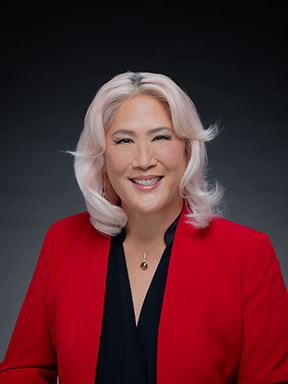
Rep. Kim Coco Iwamoto
Sponsored bills
Establishes a Vacant Homes Special Fund under the Hawaii Housing Finance and Development Corporation for rental assistance programs. Establishes a general excise tax surcharge on an owner that allows a residential real property to remain vacant for 180 days or more a year. Requires persons who own residential real property, but do not live there, to obtain a general excise tax license. Requires the counties to disclose to the Department of Taxation a list of properties classified as not being occupied by an owner of that property. Requires the Department of Business, Economic Development, and Tourism to calculate average annual rental value for the basis for the surcharge amount.
Establishes the Dwelling Unit Revolving Fund Equity Program. Repeals the Dwelling Unit Revolving Fund Equity Pilot Program. Clarifies that the Hawaii Housing Finance and Development Corporation may utilize funds in the Dwelling Unit Revolving Fund for the purchase of equity in for-sale housing development projects and interim primary or secondary financing.
Allows tenants who prevail in a lawsuit for a violation of the Residential Landlord-Tenant Code to be awarded damages, reasonable attorney's fees, and costs of the suit.
Requires objections made by an officer of a political party to candidate nomination papers to be filed with and determined by the Office of Elections.
Requires the department of human services to provide written notice to a parent of the parent's rights when conducting an investigation regarding a child who is or may be subject to imminent harm.
Increases a taxpayer's applicable percentage of employment-related expenses that may be claimed for the household and dependent care services tax credit for five years. Repeals 6/30/2030.
Maddy summaryHB 308 increases the matching funds provided to candidates in Oregon's partial public financing program for election campaigns. Specifically, it boosts the rate at which public funds match qualifying contributions when candidates raise more than a set threshold (excess qualifying contributions). This directly affects candidates who participate in the program and meet the contribution requirements. The bill makes no changes to eligibility rules but enhances the financial support available for qualifying campaign contributions.
Maddy summaryHB 598 prohibits health insurance plans from requiring patients to pay copays, deductibles, or other cost-sharing for certain diagnostic and supplemental breast examinations. This directly affects patients with insurance coverage who need these specific medical exams, such as those following abnormal mammogram results or for further evaluation beyond routine screening. The bill's key mechanism ensures insurers cannot impose out-of-pocket costs for these exams, making them fully covered under the plan. It applies to all health plans regulated under the bill's scope, removing financial barriers to necessary breast health diagnostics.
Maddy summaryHB 148 protects individuals who make claims about sexual misconduct from defamation lawsuits, directly affecting people reporting such incidents. The bill establishes that these claims cannot be challenged as defamation unless the person making them acted with "malice" - meaning they knew the claim was false or acted with reckless disregard for the truth. This provision aims to reduce legal barriers for reporting sexual misconduct by shielding truthful or good-faith allegations. The law would apply to civil lawsuits seeking damages for defamation related to sexual misconduct claims.