

Maddy summaryHB 652 would regulate individuals or entities that charge fees for providing advice or assistance with veterans' benefits applications. It directly affects paid advisors (such as consultants or representatives) who help veterans navigate benefits systems. The bill would establish requirements for these advisors, likely including licensing, disclosure rules, or standards for their services. Currently, the bill is pending review after being referred to committees, with a recommendation to defer further action as of January 31, 2025. It has not yet become law.
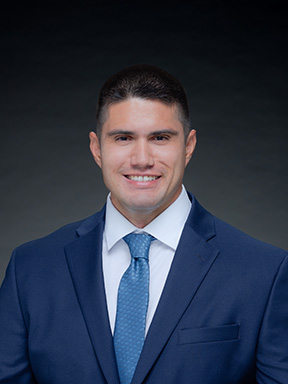
Rep. Ikaika Olds
Sponsored bills
Repeals existing law that preempted local ordinances or regulations that regulate the sale of cigarettes, tobacco products, and electronic smoking devices and nullified and voided any conflicting local laws and regulations. Allows counties to adopt ordinances that regulate the sale of cigarettes, tobacco products, and electronic smoking devices that do not conflict with and are more stringent than the state law that govern smoking.
Amends the definition of "dangerous to self". Defines the terms "gravely disabled" and "psychiatric deterioration". Broadens the term of "imminently dangerous to self and others". Increases the maximum period of emergency hospitalization.
Maddy summaryHB 1314 requires all public schools to develop and implement mental health check-in plans for students in grades six through twelve. These plans must be created by schools to regularly assess student well-being and connect students with support services. The bill directly affects all K-12 public schools and their students in the specified grades. It takes effect on July 1, 3000 (note: the year 3000 appears to be a typo in the abstract; the intended year is likely 2030). The bill does not specify funding or detailed procedures for the check-ins.
Prohibits the licensing of an adult residential care home, expanded adult residential care home, or developmental disabilities domiciliary home that is financed, managed, operated, supervised, directed, or owned in whole or in part by a person convicted of a gambling offense.
Repeals the requirement to use the Hawaii ABLE Savings Program Trust Fund if the Director elects to accept deposits from contributors instead of sending deposits directly to the ABLE program manager. Authorizes the Director of Finance to expend moneys in the trust fund to provide incentive payments to Hawaii public school ABLE account owners. Appropriates funds for incentive payments to Hawaii public school ABLE account owners and to fund a position to provide statewide outreach, advocacy, and relationship management for the Hawaii ABLE Savings Program.
Revises the deadline for a county council to take action on a low- and moderate-income housing project's application from 45 days to 90 days after receipt of the applicable agency's report and the proposed project's preliminary plans and specifications.
Requires all health insurers in the State, including Medicaid managed care programs, to cover the cost of continuous glucose monitors and related supplies under certain conditions. Applies to insurance policies, contracts, plans, or agreements issued or renewed in the State after 12/31/2025.
Prohibits landlords, including those operating in public housing and educational dorm settings, from renting a dwelling unit that the landlord knows has a current bed bug infestation. Establishes procedures that landlords shall take upon receiving notice of an actual or suspected bed bug infestation.
Maddy summaryHB 942 allocates state funds to the Department of Health to pay community-based health organizations for contracted health care services. It directly affects local clinics, nonprofits, and social service providers that deliver health care in communities. The key mechanism is directing state funding through the Department of Health to these organizations, rather than changing eligibility or service requirements. This is a funding bill focused on resource allocation, not altering health care policy or patient access rules.