

Maddy summaryBased solely on the provided context, HB 52 is a placeholder bill titled "RELATING TO HIGHER EDUCATION" with no substantive details available in the official abstract or summary. The bill was introduced on January 16, 2025, referred to the Higher Education Committee (HED), and carried over to the next legislative session without further action documented. No specific provisions, affected parties, or policy mechanisms are described in the available information. Without additional details on the bill's content, a meaningful summary of its purpose or impact cannot be provided.
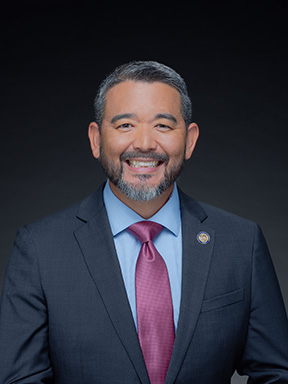
Rep. Andrew Garrett
Sponsored bills
Establishes green infrastructure objectives, policies, and priority guidelines for state facility systems, infrastructure, transit projects, and other areas in the Hawaii State Planning Act to improve the quality of life for residents and visitors. Adds definition of "green infrastructure". Requires the Office of Planning and Sustainable Development, in partnership with the Greenhouse Gas Sequestration Task Force, to submit a report to the Legislature making recommendations for implementing the green infrastructure objectives, policies, and priority guidelines. Establishes full-time equivalent ( .0 FTE) policy analyst positions within the Office of Planning and Sustainable Development. Appropriates funds.
Maddy summaryHB 87 requires all public schools to provide free breakfast and lunch to every enrolled student starting the 2025-2026 school year. The bill directly affects all public school students in the state and mandates that the state appropriates funding to cover these meal costs. Key provisions include eliminating meal fees for students and ensuring schools receive state funds to support the program. This policy change shifts meal costs from families to state resources beginning in the 2025-2026 school year.
Authorizes boards and commissions to make employment decisions related to its officers and employees without the approval of the head of the department to which the board or commission is administratively attached.
Requires police officers to send a carbon copy of a citation to the registered owner of a vehicle within five business days after the citation is issued. Effective 7/1/3000. (HD1)
Establishes the Hawaii Agricultural Crimes Council. Expands the duties of the Department of Agriculture to collaborate with and support the Council. Establishes the Agricultural Enforcement Special Fund. Appropriates funds. Effective 7/1/3000. (HD2)
No later than January 1, 2026, requires the Department of Accounting and General Services to install and maintain automated external defibrillators in all state buildings, including all public schools. Requires DAGS to establish a Cardiac Emergency Response Plan and work with the counties to implement the plan into the counties' emergency service provider protocols. Requires DAGS to provide trainings on the use of automated external defibrillators and the performance of cardiopulmonary resuscitation for state employees and security staff of certain state agencies. Makes appropriations.
Requires electronic smoking device and e-liquid manufacturers to submit certifications with the Department of Taxation annually, stating that the manufacturer's products comply with federal regulations. Requires the Department of Taxation to maintain a directory of manufacturers of electronic smoking devices and e-liquids whose certifications the Department approved. Imposes penalties.
Appropriates funds to the University of Hawaii at Manoa to establish additional permanent mental health practitioner positions within the Division of Student Success' Counseling and Student Development Center. Effective 7/1/3000. (HD1)
Maddy summaryHB 49 bans the keeping or breeding of whales, dolphins, and porpoises (cetaceans) in captivity, primarily affecting marine parks and aquariums that currently house these animals. The bill allows exceptions for specific circumstances, such as research or rescue operations, but prohibits most commercial or public display facilities from maintaining cetaceans. It creates a new legal restriction on captivity, shifting current practices for these species. The bill was introduced in January 2025 and carried over to the next legislative session, meaning it has not yet been enacted.