

Maddy summaryHB 2534 would appropriate state funds to the Department of Education to establish robotics as an official interscholastic sport for public high schools. If passed, it would allow schools to form competitive robotics teams under state guidelines, with the Department developing program rules by July 1, 3000. The bill directly affects public high school students and athletic programs by creating a new competitive category. It is currently pending in the Education Committee after passing committee recommendations with amendments.
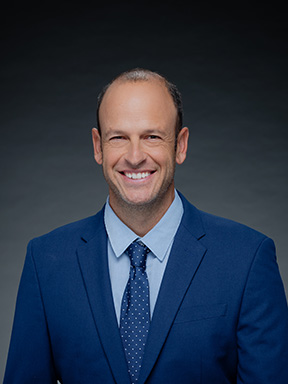
Rep. Luke Evslin
Sponsored bills
Shortens the period during which certain judicial proceedings involving environmental assessments and environmental impact statements on actions that propose the use of land for, or construction of, affordable housing or clean energy projects must be initiated. Specifies that appeals from environmental courts that involve actions that propose the use of land for, or construction of, affordable housing or clean energy projects meet one of the grounds for transfer to the Supreme Court. Effective 7/1/3000. (HD3)
Authorizes counties to amend district boundaries involving land areas of greater than fifteen but no more than twenty-five acres for purposes of residential housing, agricultural workforce housing, long-term rental housing, or workforce fee simple ownership. Effective 7/1/3000. (HD2)
Maddy summaryHB 1742 authorizes the construction and occupancy of self-contained temporary housing units (like modular or portable homes with basic living facilities), directly affecting housing developers, property owners, and residents seeking such housing. The bill establishes a legal framework for these units but includes unspecified restrictions on their use, location, or design. It does not specify additional requirements like safety standards or tenant protections, focusing solely on permitting the units' existence. This is a substantive housing policy change, not a procedural measure.
Maddy summaryHB 1799 allows counties to include commercial development projects within their existing authority to test and demonstrate new initiatives. It directly affects counties by expanding their ability to experiment with commercial ventures as part of local pilot programs. The key provision amends current law to explicitly permit counties to develop commercial projects under their experimental authority, rather than requiring separate approvals. This change streamlines how counties can pursue economic development through pilot programs without additional legislative steps. The bill passed committee with all members voting in favor on February 6, 2026.
Amends the requirements for productions to qualify for the Motion Picture, Digital Media, and Film Production Income Tax to include completing at least fifteen per cent of the production's principal photography within the same taxable year the production is qualifying for the film tax credit and completing or committing to complete fifteen per cent of the production's post-production in the State within the same taxable year the production is qualifying for the film tax credit or later taxable years. Applies to taxable years beginning after 12/31/2026. Repeals 1/1/2033. Effective 7/1/3000. (HD1)
Between 7/1/2026 and 12/31/2028, authorizes each county planning agency to petition the Land Use Commission for a district boundary amendment to reclassify certain lands within the agricultural district to the rural district through the district boundary amendment process. Repeals 12/31/2028. Effective 7/1/3000. (HD2)
Requires the development of transit-supportive densities to be allowed in any county-designated transit-oriented development area. Prohibits the counties from enacting an ordinance, rule, regulation, development standard, zoning provision, or other land use control that restricts the development of transit-supportive densities. Effective 7/1/3000. (HD2)
Maddy summaryThis bill requests the Department of Accounting and General Services to study the costs and benefits of creating an Office of the State Architect within the state government. The proposed office would be led by a full-time State Architect responsible for reviewing all state construction projects for compliance with building codes and construction standards. The study will examine whether a centralized design review authority would streamline the approval process, improve safety, and ensure consistency across projects. Key areas of analysis include staffing needs, fees for design review services, and the specific duties the State Architect would perform, such as reviewing plans and issuing approvals for traditional design-bid-build projects. The Department must submit its findings and recommendations to the Legislature by the start of the 2027 session.
Maddy summaryThis House Resolution requests that all state agencies in Hawaii use bi-level lighting systems in new buildings starting January 1, 2027. Bi-level lighting adjusts brightness based on motion sensors to reduce energy waste and lower electricity costs. The resolution directs copies to various state officials and agencies to implement this change in future construction projects.