

Exempts any agricultural enterprise practicing diversified agriculture on lands formerly used for commercial sugarcane production within the conservation district from any permitting and site plan approval requirements established for lands in a conservation district. Effective 7/1/3000. (HD1)
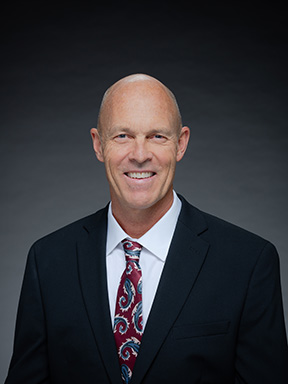
Rep. Matthias Kusch
Sponsored bills
Maddy summaryHB 2607 protects individuals' right to publicity by prohibiting the unauthorized use of a person's likeness or voice in AI-generated deepfakes. The bill directly affects people whose image, voice, or persona could be replicated without consent through artificial intelligence. Its key provision bans creating or distributing AI-generated content that mimics a person's identity for commercial or public purposes without permission. This creates a clear legal barrier against non-consensual deepfake exploitation, focusing on preventing harm rather than regulating AI technology broadly.
Beginning 1/1/2027, requires a developer of an algorithmic decision system to provide certain disclosures to a deployer and an individual who is or will be affected by a decision made, informed, or influenced by the algorithmic decision system. Provides certain rights and procedures for individuals to access and correct data used by an algorithmic decision system. Requires disclosure requirements for generative artificial intelligence systems. Provides that a developer and deployer of an algorithmic decision system are jointly and severally liable for a violation of any law that results from the deployer's use of the developer's system, under certain conditions. Assigns enforcement responsibilities to the attorney general, including establishing rules.
Requires persons who sell or offer plants for sale at retail to provide information on the risk of invasiveness of the plant species. Requires the Invasive Species Council to develop a labeling system for plants that displays the plants' weed risk assessments. Establishes fines for violations. Effective 1/1/2027.
Authorizes the counties to require contractors to disclose information regarding their employees' wages, benefits, hours, and employment status. Effective 7/1/3000. (HD1)
Requires health insurance carriers to honor a patient's written assignment of benefits to a substance use disorder treatment provider. Prohibits health insurance contracts from including anti-assignment clauses that restrict or invalidate a patient's right to assign benefits. Authorizes the Insurance Commissioner to adopt rules and take enforcement action to ensure compliance. Requires the Insurance Commissioner to publish an annual summary. Allows providers to bring civil actions to compel payment and obtain injunctive relief, damages, interest, and attorneys' fees for violations. Deems violations to be unfair methods of competition and unfair or deceptive acts or practices. Requires insurers to furnish an explanation of benefits to the assigned provider upon request.
Beginning 10/1/2026, prohibits digital financial asset transaction kiosks from allowing any two customers from conducting transactions with the same digital financial asset wallet address and requires operators to provide full refunds under certain circumstances.
Establishes limits on transactions through digital financial asset transaction kiosks. Requires operators of digital financial asset transaction kiosks to use blockchain analytics and tracing software to prevent fraud; make certain disclosures; provide receipts to customers; provide full refunds under certain circumstances; and provide live customer service and a dedicated communications line for the Attorney General, Office of Consumer Protection, Department of Law Enforcement, and county police departments.
Maddy summaryHB 2010 proposes a 1% surcharge on taxable income exceeding $1 million annually, directly affecting high-income earners. The revenue generated would fund the State Medicaid Program if approved by the Legislature. The bill is currently deferred by the House Health and Human Services (HSH) committee after a scheduled hearing. It requires legislative approval to take effect and has not yet been passed.
Establishes the Office of the State Construction Manager within the Department of Accounting and General Services, overseen by the State Construction Manager, to organize, manage, and oversee design review of, and issue design approvals for, state construction projects. Exempts state construction projects from county building permit, inspection, and certificate of occupancy requirements under certain circumstances, as determined by the State Construction Manager. Establishes the Design Review Special Fund and appropriates funds into and out of the fund.