Issue · Housing

Housing (Affordable Housing)

Every housing bill, vote, and legislator stance in Hawaii, automatically classified by Maddy, our AI policy reader.

Total bills
143
2026 Regular Session
Top supporter
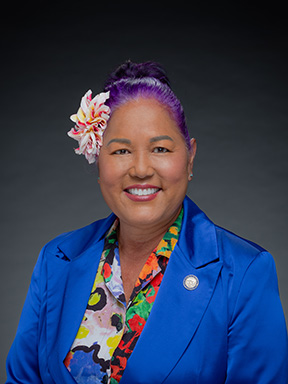
Della Belatti
100% support rate
Top opponent
Elijah Pierick
9% support rate
Ranked legislators
9
5 support · 4 oppose
Key legislators

Who's moving affordable housing in Hawaii

Legislators moving affordable housing in Hawaii
Legislator Party Stance Support rate Votes
Della Belatti
Della Belatti House · District 26
D
Strong +
100% 3
Lisa Kitagawa
Lisa Kitagawa House · District 48
D
Strong +
92% 13
Tina Grandinetti
Tina Grandinetti House · District 20
D
Strong +
92% 13
Darius Kila
Darius Kila House · District 44
D
Strong +
91% 11
Trish La Chica
Trish La Chica House · District 37
D
Strong +
91% 11
Elijah Pierick
Elijah Pierick House · District 39
R
Strong −
9% 11
Elle Cochran
Elle Cochran House · District 14
R
Oppose
30% 10
Mahina Poepoe
Mahina Poepoe House · District 13
D
Oppose
33% 6
Stanley Chang
Stanley Chang Senate · District 9
D
Oppose
33% 3
Showing 1–10 of 143 bills

All housing bills

introduced · Hawaii · Senate Jul 9, 2026

GM 1312: Informing the Legislature that on July 8, 2026, the Governor signed the following bill into law: HB1740 HD2 SD2 CD1 (ACT 210).

This bill amends the rules for the Hawaii Housing Finance and Development Corporation to address housing shortages by updating how "qualified residents" are defined and what restrictions apply to affordable housing units. It removes certain financial screening requirements that duplicate standard lender checks and allows deed-restricted units to be rented long-term after an initial occupancy period, rather than requiring perpetual owner-occupancy. The law also limits a qualified resident to owning a majority interest in no more than one dwelling property at a time, requiring the sale of any additional property within two years. These changes aim to reduce administrative burdens, prevent vacant investment holdings, and ensure that affordable housing remains available to local residents without unnecessarily restricting household mobility.
introduced · Hawaii · Senate Jul 9, 2026

GM 1313: Informing the Legislature that on July 8, 2026, the Governor signed the following bill into law: HB1741 HD2 SD1 CD1 (ACT 211).

This bill, signed into law on July 8, 2026, requires Hawaiian counties to conduct specific studies before implementing or changing rules that mandate developers build affordable housing units. Under the new law, any requirement forcing developers to include affordable units is treated legally as a fee, meaning counties must prove the rule is necessary and financially feasible before adopting it. If a county wants to set an affordable housing requirement above ten percent, it must provide written evidence showing the rule is proportional and won't make projects unbuildable. These new rules aim to ensure that policies requiring affordable housing are based on data and do not inadvertently reduce the overall supply of homes available to residents.
Sub-Topics Affordable Housing
introduced · Hawaii · Senate Jul 14, 2026

GM 1343: Informing the Legislature that on July 13, 2026, the Governor signed the following bill into law: HB1713 HD1 SD1 CD1 (ACT 241).

This bill, signed into law by Governor Josh Green on July 13, 2026, modifies how school impact fees are applied to residential developments in Hawaii to address housing costs. It directly affects developers and housing projects by expanding exemptions from these fees for smaller developments with fewer than 500 units, affordable housing, and other specific property types. The legislation also clarifies the procedures for paying fees in lieu of land dedications and removes previous reporting requirements while reorganizing related fee accounts. Ultimately, the act aims to reduce financial barriers for smaller housing projects while maintaining contributions from larger developments that significantly increase school enrollment.
Sub-Topics Affordable Housing
introduced · Hawaii · Senate Jul 9, 2026

GM 1318: Informing the Legislature that on July 8, 2026, the Governor signed the following bill into law: SB2544 SD2 HD1 CD1 (ACT 216).

This bill establishes a five-year pilot program called "Hawaii Builds" within the Hawaii Housing Finance and Development Corporation to address the state's shortage of affordable housing for middle-income families. The program allows the corporation to use up to $20 million per year from its revolving fund for predevelopment activities like land acquisition and design, while requiring interagency coordination to speed up project timelines. To qualify, projects must be located on sites with adequate infrastructure, preferably in residential zones, and ensure all units meet specific affordability standards. Additionally, the law mandates that at least one such pilot project be designated in each county to promote statewide participation.
introduced · Hawaii · Senate Jul 9, 2026

GM 1317: Informing the Legislature that on July 8, 2026, the Governor signed the following bill into law: HB2385 HD3 SD1 CD1 (ACT 215).

This bill, signed into law as Act 215, shifts the authority to approve general excise tax exemptions for affordable housing projects from individual counties to the state's Hawaii Housing Finance and Development Corporation. Beginning January 1, 2027, the state agency will certify these tax incentives for developments that utilize county housing programs, aiming to better offset rising construction costs and interest rates. The legislation also grants counties expanded powers to develop, finance, and construct low- and moderate-income housing, including the ability to make loans, guarantee mortgages, and acquire land, while prohibiting counties from issuing state general obligation bonds for such projects. These changes are designed to leverage both state and local resources to address Hawaii's ongoing housing shortage by streamlining the approval process for affordable rental housing.
introduced · Hawaii · Senate Jul 9, 2026

GM 1307: Informing the Legislature that on July 8, 2026, the Governor signed the following bill into law: HB1920 HD1 SD2 CD1 (ACT 205).

This message informs the Hawaii Legislature that Governor Josh Green signed HB1920 into law on July 8, 2026. The bill amends state tax statutes to allow taxpayers to claim a low-income housing tax credit regardless of their eligibility for the federal version of the same credit. It also permits partnerships and limited liability companies to transfer or sell these tax credits to other taxpayers, even if those recipients do not own an interest in the qualifying building. The law takes effect immediately upon approval and includes specific provisions regarding how the credit can be allocated and transferred.
introduced · Hawaii · Senate Jul 15, 2026

GM 1366: Informing the Legislature that on July 15, 2026, the Governor signed the following bill into law: SB2338 SD1 HD2 CD1 (ACT 263).

This bill, signed into law as Act 263, updates the compensation and employment rules for the Hawaii Housing Finance and Development Corporation and the Hawaii Community Development Authority to help them compete for skilled staff. It raises the salary cap for the executive director of the housing finance corporation to 99% of the governor's pay and creates a new deputy executive director role with a salary cap of 95% of the director's pay. Additionally, the legislation exempts these agencies from certain state approval requirements for hiring and job descriptions, while establishing new conditions for their employment contracts. These changes aim to allow the agencies to offer more competitive salaries and streamline their hiring processes to better address Hawaii's affordable housing needs.
introduced · Hawaii · Senate Jun 24, 2026

GM 1231: Informing the Legislature that on June 24, 2026, the Governor signed the following bill into law: HB1718 HD1 SD1 CD1 (ACT 130).

This bill grants Hawaii counties the authority to build, finance, and manage low- and moderate-income housing projects in the same way the state's housing finance corporation does. Under the new provisions, counties can acquire land, offer construction loans, guarantee mortgages, provide down payment assistance, and sell or lease completed units. The legislation also requires counties to accept affordable housing credits from the Department of Hawaiian Home Lands to help meet local housing requirements. While counties gain these expanded powers, they cannot issue state bonds to fund projects, and existing state laws regarding affordable housing obligations remain in effect.
passed · Hawaii · Senate May 12, 2026

SR 47: DECLARING THE INTENT THAT AFFORDABLE HOUSING CREDITS ARE PERPETUAL AND REMAIN VALID UNTIL REDEEMED, AND REQUESTING THE COUNTIES TO RECOGNIZE THESE CREDITS WITHOUT EXPIRATION DATES.

This Senate Resolution clarifies that affordable housing credits issued in Hawaii are perpetual assets that remain valid until they are used to fulfill housing obligations, rather than having expiration dates. It directs county governments to align their administrative policies with state law to ensure these credits retain their full value and transferability without time-based restrictions. The resolution also requests that future agreements between counties and housing agencies avoid adding conditions that could limit the credits' utility or lifespan. This measure aims to provide long-term stability for developers participating in affordable housing programs while ensuring counties recognize these credits as permanent financial tools.
Sub-Topics Affordable Housing
passed · Hawaii · Senate May 12, 2026

SR 151: URGING THE HAWAII PUBLIC HOUSING AUTHORITY, DEPARTMENT OF HUMAN SERVICES' HOMELESS PROGRAMS OFFICE, STATEWIDE OFFICE ON HOMELESSNESS AND HOUSING SOLUTIONS, AND HAWAII HOUSING FINANCE AND DEVELOPMENT CORPORATION TO CREATE A HOUSING LADDER PROGRAM TO HELP INDIVIDUALS AND FAMILIES GRADUATE INTO UNSUBSIDIZED HOUSING.

This Senate Resolution urges four state housing agencies in Hawaii to develop a housing ladder program designed to help individuals and families move from subsidized housing into non-subsidized, market-rate housing. The proposed program would include services such as financial counseling, workforce training, transitional rental assistance, and partnerships with private housing providers to support upward mobility. As a Senate Resolution, this bill does not create new laws or funding but instead requests that the agencies collaborate to create a plan and report their findings and recommendations to the Legislature by early 2027.
Showing 1 to 10 of 143 bills
1 2 3 15 Next