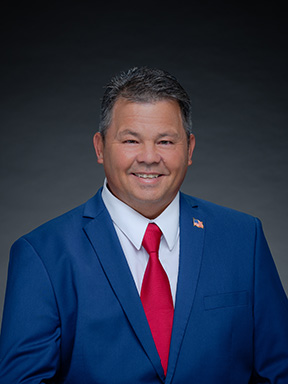
This House Resolution urges Hawaii state agencies to create a statewide peer counselor program for high school students to address loneliness and social disconnection. The proposed program would involve collaboration between the Department of Education, Department of Health, and Office of Wellness and Resilience to train students in active listening, ethical boundaries, and culturally responsive practices. Student peer counselors would serve as trained points of connection within schools, promoting belonging and helping identify students experiencing isolation while referring them to licensed mental health professionals when needed. The resolution recommends implementing the program in phases starting with pilot programs in select schools and includes the Hawaii State Youth Commission in program development and evaluation.
This bill is a non-binding resolution that urges state departments and agencies in Hawaii to include dedicated day care facilities for both children and adults when designing state buildings that will employ or house 250 or more people. The measure aims to address Hawaii's high childcare costs and severe provider shortages by encouraging state facilities to integrate care spaces, potentially through partnerships with licensed providers. It also directs state agencies to consider integrating these spaces during facility planning and capital improvement projects when feasible. The resolution does not mandate construction or funding but instead serves as a policy recommendation to state officials.
This bill requests the Governor's Senior Advisor for Mental Health and the Justice System to develop a plan for increasing access to the Hawaii State Hospital for mentally ill criminal defendants and individuals recently released from the hospital who are at risk of returning to the justice system. The resolution addresses concerns that the hospital is currently at full capacity and that existing diversion programs have not effectively reduced the jail population due to a lack of coordination between state agencies. The plan must identify suitable placements for people in civil commitment or those being evaluated for fitness to stand trial, with a report and any proposed legislation due to the Legislature before the start of the 2027 session.
This bill is a House Resolution that asks health maintenance organizations in Hawaii to follow state laws requiring them to pay medical claims on time. It highlights that current enforcement of these payment rules is weak and often only happens after complaints are filed. The resolution directs state agencies to ensure HMOs comply with the Clean Claims Statute, which mandates payment within thirty days for paper claims or fifteen days for electronic submissions. The measure aims to protect healthcare providers from financial strain and ensure patients in rural and underserved areas maintain access to care.
This bill asks the Hawaii Insurance Commissioner to study the potential benefits of expanding mail-order pharmacy services in the state. The study would examine how mail-order pharmacies could improve medication adherence, reduce costs, and increase access for rural residents, seniors, and people with mobility challenges. The resolution directs the commissioner to analyze safety, reliability, and emergency preparedness aspects of mail-order pharmacy systems and submit findings to the Legislature by March 2027. This is a non-binding resolution that does not change current laws but requests a formal review of the topic.
This Senate Concurrent Resolution asks Hawaii's Department of Health to take the lead in coordinating care and support services for people with Fetal Alcohol Spectrum Disorders across the state. The bill directs the Department of Health to create a plan that brings together multiple state agencies, including health, human services, education, and the judiciary, to ensure families receive integrated support. It also requests efforts to raise public awareness, reduce stigma, and train healthcare and education professionals to better identify and manage these conditions. The Department of Health must consult with families and service providers and submit its coordination plan to the Legislature by early 2027.
This bill requests the Hawaii Departments of Health, Human Services, and Education to create a coordinated plan to address fetal alcohol spectrum disorders (FASD), which affect individuals exposed to alcohol during pregnancy. The plan would explore establishing a statewide FASD coordinator, strategies for accessing federal funding, and methods to improve awareness and training for healthcare providers and educators. It aims to reduce the economic and social costs of FASD by improving early identification, treatment access, and support for affected families. The departments must submit their findings and recommendations to the Legislature by December 15, 2026.
This Senate Resolution urges Hawaii state agencies to create a statewide peer counselor program for high school students to address youth loneliness and social disconnection. The program would involve trained student peer counselors who receive standardized instruction in active listening, ethical boundaries, and culturally responsive practices to help identify and support students experiencing isolation. Key provisions include collaboration between the Department of Education, Department of Health, and Office of Wellness and Resilience, with the Hawaii State Youth Commission providing input on program design and evaluation. The resolution emphasizes face-to-face peer relationships and clear referral pathways to licensed mental health professionals while maintaining centralized oversight across the state's public education system.
This Senate Concurrent Resolution urges the Governor to reactivate the Hawaii Health Authority to develop a plan for transitioning Hawaii to a single-payer healthcare system. The bill proposes that the Authority study how to implement such a system by capturing federal funding from Medicare, Medicaid, and TRICARE, with the goal of reducing administrative costs and improving healthcare access. It requests that the Authority submit a progress report and recommendations to the Legislature by early 2027. This resolution does not change any laws or allocate funding but serves as a formal expression of support for planning a healthcare system overhaul.
This bill is a non-binding resolution that urges state departments and agencies to include dedicated day care facilities for both adults and children when designing state buildings that will employ or house 250 or more people. The resolution highlights Hawaii's high childcare costs and workforce shortages as reasons for encouraging state facilities to integrate care spaces, which could help address access issues for working families. It also recommends that state agencies explore partnerships with licensed providers to operate these services within larger state buildings. As a concurrent resolution, it does not create new laws or require specific actions but instead serves as a formal recommendation to state officials and various government leaders.