Issue · Criminal Justice

Criminal Justice

Every criminal justice bill, vote, and legislator stance in Hawaii, automatically classified by Maddy, our AI policy reader.

Total bills
7
119th Congress
Top supporter
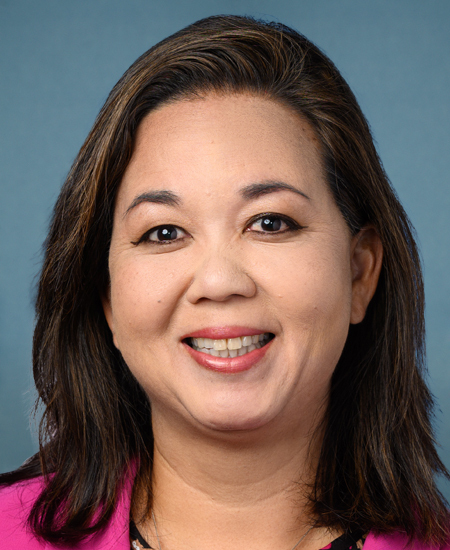
Jill N. Tokuda
60% support rate
Top opponent
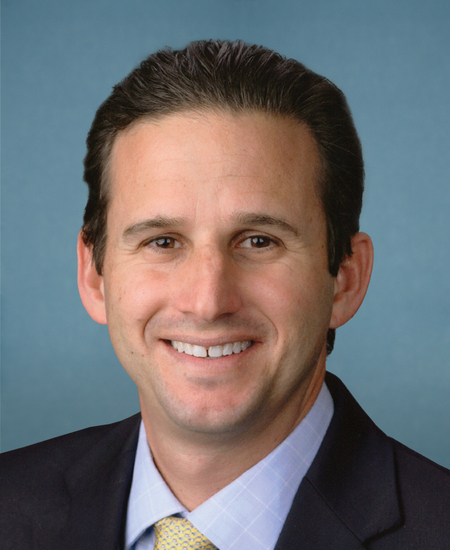
Brian Schatz
16% support rate
Ranked legislators
4
2 support · 2 oppose
Key legislators

Who's moving criminal justice in Hawaii

Legislators moving criminal justice in Hawaii
Legislator Party Stance Support rate Votes
Jill N. Tokuda
Jill N. Tokuda House · District 2
D
Support
60% 154
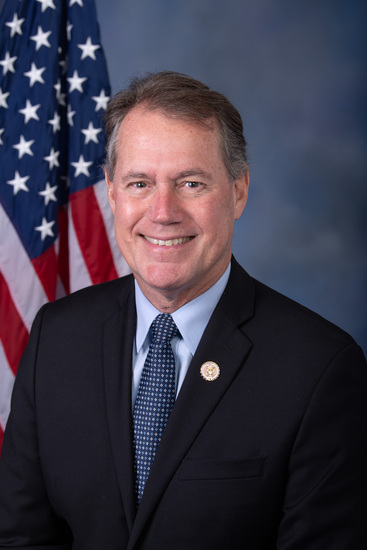
Ed Case
Ed Case House · District 1
D
Mixed
50% 152
Brian Schatz
Brian Schatz Senate
D
Strong −
16% 171
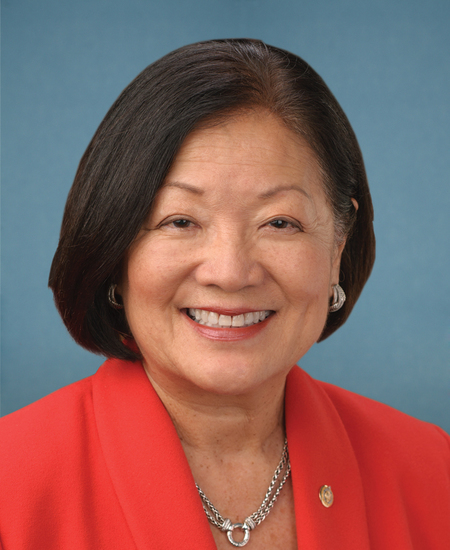
Mazie K. Hirono
Mazie K. Hirono Senate
D
Oppose
26% 171
Showing 7 of 7 bills

All criminal justice bills

in committee · United States · House Jun 8, 2026

HR 9208: HEAR Act of 2026

The HEAR Act of 2026 makes it illegal for most people to import, sell, manufacture, transfer, or possess firearm silencers and mufflers. The law allows exceptions for law enforcement officers, campus security personnel, nuclear facility employees, and licensed manufacturers conducting authorized testing. To help individuals comply with the new restrictions, the bill requires the Attorney General to create a nationwide buy-back program that pays people who surrender their silencers. These changes would take effect 90 days after the bill is signed into law.
in committee · United States · House May 21, 2026

HR 8955: Bipartisan Transparency for American Taxpayers Act

The Bipartisan Transparency for American Taxpayers Act prohibits the use of federal funds to pay claims submitted to the Anti-Weaponization Fund. This fund was established by the Department of Justice on May 18, 2026, and the bill specifically bars any money from being used for these payments. The legislation directly affects the Department of Justice and any individuals or entities seeking reimbursement from this specific fund. By restricting funding sources, the bill aims to prevent taxpayer money from being spent on claims directed to this newly created entity.
Tags Government Transparency
in committee · United States · Senate Dec 11, 2025

S 3458: Background Check Completion Act of 2025

This bill amends federal law to remove a specific deadline for completing background checks on firearm purchases. It deletes the requirement that background checks must be completed within 10 business days, as previously established under the Brady Handgun Violence Prevention Act. The change directly affects firearm sellers (such as licensed dealers) who conduct these checks, removing a strict timeline for completing the process. The bill focuses on technical adjustments to existing background check procedures without altering the underlying requirements for the checks themselves.
Sub-Topics Firearms
in committee · United States · House Jul 21, 2026

HR 1266: Combating Illicit Xylazine Act

HR 1266, the Combating Illicit Xylazine Act, adds xylazine - a veterinary sedative increasingly found in illicit drug mixtures - to Schedule III of the Controlled Substances Act, regulating its use and trafficking. It directly affects veterinarians, animal owners, and manufacturers by allowing xylazine to be legally dispensed for animal use under specific veterinary prescriptions, while prohibiting non-veterinary human use. The bill includes transition periods (60 days for practitioners, 1 year for labeling) to ease compliance for manufacturers and practitioners, and requires the DEA and FDA to expedite necessary applications. It also mandates two congressional reports on xylazine's illicit use and trafficking patterns, and directs the Sentencing Commission to review penalties for offenses involving xylazine.
Sub-Topics Drug Policy Sentencing
passed · United States · House Jan 13, 2026

HR 909: Crime Victims Fund Stabilization Act of 2025

HR 909, the Crime Victims Fund Stabilization Act of 2025, modifies how funds from the False Claims Act are deposited into the Crime Victims Fund. It specifies that from 2025 through 2029, certain False Claims Act proceeds (specifically those for qui tam plaintiff payments and government damage reimbursements) cannot be deposited into the fund. This change directly affects the composition of the Crime Victims Fund by excluding these specific revenue streams during the specified period. The bill does not create new benefits or alter victim services; it only adjusts fund allocation rules for existing False Claims Act revenues.
Sub-Topics Victims' Rights
passed · United States · House May 13, 2026

HR 2853: Combating Organized Retail Crime Act of 2025

This bill would amend federal law to strengthen penalties for organized retail crime by expanding definitions of theft to include digital goods, gift cards, and setting a $5,000 aggregate value threshold for charges over a 12-month period. It would establish a new "Organized Retail and Supply Chain Crime Coordination Center" under Homeland Security to coordinate Federal, State, local, and Tribal law enforcement efforts against cross-jurisdictional theft groups. The Center would share information with retailers, transportation companies, and law enforcement agencies, track crime trends, and produce annual reports on organized retail crime. This legislation directly affects retailers, supply chain businesses, and law enforcement agencies, while targeting organized crime groups responsible for a 93% increase in larceny incidents and rising safety concerns for retail employees. The bill aims to address significant financial losses and supply chain disruptions noted in the National Retail Federation's 2023 data.
passed · United States · Senate Jun 15, 2026

S 736: Lieutenant Osvaldo Albarati Stopping Prison Contraband Act

S 736, the Lieutenant Osvaldo Albarati Stopping Prison Contraband Act, amends federal law to increase penalties for providing prohibited items (like phones) to prison inmates. It adds a maximum 2-year prison term for knowingly supplying phones to inmates, specifically targeting violations related to phone trafficking. The bill also requires the Bureau of Prisons to review and update its policies within one year of enactment to better prevent inmate access to prohibited objects and enhance safety for both incarcerated individuals and staff. These changes directly affect prison staff, correctional facilities, and individuals involved in supplying contraband to inmates.
Sub-Topics Corrections