

Maddy summaryThe GREEN Hospitals Act authorizes $100 billion in Hill-Burton grants for the construction or modernization of medical facilities, with priority given to projects that incorporate climate resilience features such as renewable energy systems, air quality improvements, and flood protection. The bill also establishes a separate $5 billion Planning and Evaluation Grant Program to help states, tribal governments, and nonprofits develop sustainability plans for hospitals and clinics. To receive funding, applicants must demonstrate that their facilities serve vulnerable populations or environmental justice communities and certify that they respect employee labor rights by maintaining collective bargaining agreements or non-interference policies. Additionally, the legislation requires that at least 50 percent of planning grant funds be allocated to projects located in environmental justice communities and prohibits the use of training repayment agreements for employees and apprentices.
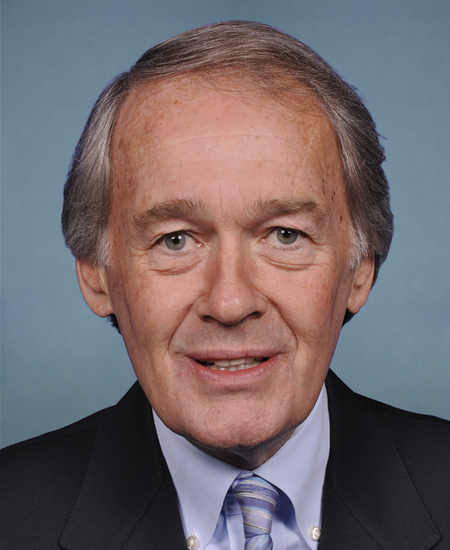
Sen. Edward J. Markey
Sponsored bills
Maddy summaryThe Green New Deal for Public Housing Act directs federal funds to public housing agencies and tribal entities to rehabilitate, modernize, and electrify the nation's public housing stock into zero-carbon homes within ten years. The bill establishes grant programs that require recipients to conduct deep energy retrofits, install renewable energy systems, upgrade water quality infrastructure, and provide high-speed internet access to residents. In exchange for these funds, agencies must commit to maintaining their total number of housing units, ensuring displaced residents can return to their original projects, and adhering to strict labor standards that prioritize hiring low-income individuals and supporting resident-owned businesses. Additionally, the legislation strengthens tenant participation by mandating the formation of elected resident councils in larger developments and providing stipends for volunteer officers who help manage community operations.
Maddy summaryThe Momnibus Act is a comprehensive legislative package designed to address maternal health disparities by expanding access to care, improving data collection, and funding community-based interventions for pregnant and postpartum individuals. Key provisions include extending WIC nutrition benefits for new mothers from six months to two years, establishing a federal task force to coordinate efforts across government agencies, and creating grant programs to support social determinants of health such as housing, transportation, and mental health services. The bill also mandates respectful maternity care training for hospital staff, requires states to restrict the shackling of pregnant individuals in prison to maintain federal funding eligibility, and authorizes significant research funding through the National Institutes of Health to study maternal mortality causes and climate change impacts on pregnancy outcomes.
Maddy summaryThe Consumer Advocacy and Protection Act of 2026 amends the Consumer Product Safety Act to increase the maximum civil penalty for individual violations from $100,000 to $250,000. The bill removes the previous statutory cap that limited total penalties for related series of violations to $15 million, allowing for higher cumulative fines in cases involving multiple infractions. Additionally, it requires the Consumer Product Safety Commission to adjust these penalty amounts annually based on inflation using the Consumer Price Index. These changes directly affect manufacturers and distributors of consumer products by raising the financial stakes for non-compliance with safety regulations.
Maddy summaryThe Guaranteed Paid Vacation Act requires employers to provide covered employees with at least one hour of paid annual leave for every 25 hours worked, capped at a maximum of 80 hours per year. Employees may use this leave for any reason without disclosing the specific purpose, and they are permitted to carry over up to 40 unused hours to the following year. The bill prohibits employers from retaliating against workers who take this leave or from counting it as an absence under no-fault attendance policies. Enforcement is handled by the Department of Labor, which can investigate complaints and file lawsuits, while employees also have the right to sue in court for damages and attorney’s fees if their rights are violated.
Maddy summaryThe Double the Wage for Overtime Act of 2026 amends the Fair Labor Standards Act to increase the mandatory overtime pay rate from one and a half times an employee's regular wage to two times their regular wage. This change directly affects non-exempt workers who are currently entitled to premium pay for hours worked beyond their standard schedule. The bill updates multiple sections of the existing labor law to reflect this new multiplier, ensuring consistent application across various employment categories covered by the act. These provisions would take effect 180 days after the date of enactment.
Maddy summaryThe Enhancing North Korea Humanitarian Assistance Act of 2026 directs the U.S. Treasury and Commerce Departments to streamline sanctions exemptions for humanitarian aid by eliminating pre-activity reporting requirements in favor of post-activity reviews and reclassifying personal computers as non-luxury goods. The bill mandates that the State Department urge the United Nations to extend the duration of humanitarian waivers from six months to one year and simplify application processes to reduce delays for nongovernmental organizations. Additionally, it requires regular congressional reporting on pending or denied travel authorizations and license requests to ensure transparency in how U.S. agencies process aid-related permissions.
Maddy summaryThe Youth AI Privacy Act requires companies that operate artificial intelligence chatbots to take specific steps to protect minors under 18 from potential harm. The law mandates that companies must clearly inform young users that they are interacting with an AI, not a human, and prohibits features designed to encourage compulsive use, such as push notifications or rewards for frequent engagement. Additionally, the bill restricts how companies can use personal data from minors, banning the use of this information for advertising, profiling, or training AI models, with limited exceptions for safety testing. The Federal Trade Commission is tasked with enforcing these rules and issuing guidance to help companies comply, while also authorizing funding for research on the effects of AI chatbots on youth mental health.
Maddy summaryThe Equity in Pretrial Health Coverage Act removes federal restrictions that currently prevent individuals awaiting trial from accessing certain government health benefits. The bill amends laws governing Medicaid, Medicare, the Children's Health Insurance Program (CHIP), and Department of Veterans Affairs services to ensure these programs cover medical care for people in custody while their charges are pending. For children enrolled in CHIP, the legislation also mandates coverage for specific screenings and case management services during the 30 days leading up to their release. These changes take effect shortly after enactment, with the Department of Veterans Affairs provision becoming active immediately upon the bill's passage.
Maddy summaryThis resolution designates July 30, 2026, as "National Whistleblower Appreciation Day" to honor individuals who report misconduct, fraud, or abuse within the government. It requires federal agencies to inform employees, contractors, and the public about the legal protections available for reporting wrongdoing and to acknowledge the contributions whistleblowers make to saving taxpayer money. The bill does not create new laws or penalties but serves as a commemorative measure to encourage ethical reporting and recognize the role of whistleblowers in maintaining an ethical government.